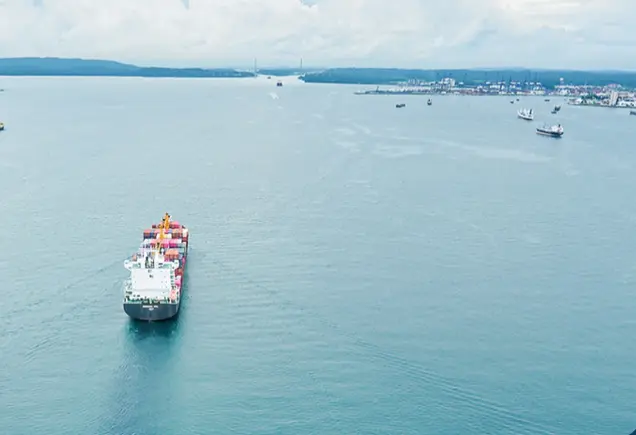
The Panama Maritime Authority (AMP) is officially moving forward with plans to renew its strategic Panama maritime agreement with China. This commercial shipping pact serves as a vital pillar for the Central American nation’s economy. Consequently, Panamanian officials are prioritizing these talks to ensure long-term stability for their massive merchant fleet.
Why the China Panama Shipping Pact Matters
Historically, China Panama shipping relations have granted unique advantages to vessels flying the Panamanian flag. Under the current maritime treaty, ships registered in Panama enjoy preferential port fees and expedited customs processing in Chinese ports. Because China represents a massive destination for global cargo, these maritime trade benefits keep the registry highly competitive.
However, the upcoming expiration of the current shipping deal has sparked urgency within the AMP. Officials recognize that failing to secure an extension could severely hurt Panamanian flagged vessels. Therefore, diplomatic teams are working fast to guarantee that these crucial shipping advantages remain intact for international operators.
Addressing the Rise in Vessel Detentions Globally
Beyond trade perks, the main goal of this renewal is to drastically reduce recent vessel detentions. Over the past year, international port authorities have increased safety and compliance inspections. As a result, several Panamanian ships faced unexpected ship arrests and technical delays.
To combat this trend, the AMP is using the renewed Panama maritime agreement to establish clearer safety compliance communication channels with Beijing. By streamlining technical inspections, Panama hopes to prevent future impounded vessels in Asian waters. Furthermore, better regulatory alignment will protect the reputation of the fleet.
Protecting the Panama Ship Registry
Currently, the Panama ship registry stands as the largest flag state in the world. Nevertheless, intense competition from other nations means Panama must continuously safeguard its market share. Maintaining a strong vessel flagging system requires not just size, but also top-tier diplomatic backing.
Ultimately, renewing this maritime treaty will reassure international shipowners. By preventing fleet inspections from turning into prolonged vessel detentions, Panama proves its commitment to protecting its clients. As the negotiations progress, the maritime world will be watching closely to see how this crucial maritime commerce perk evolves.