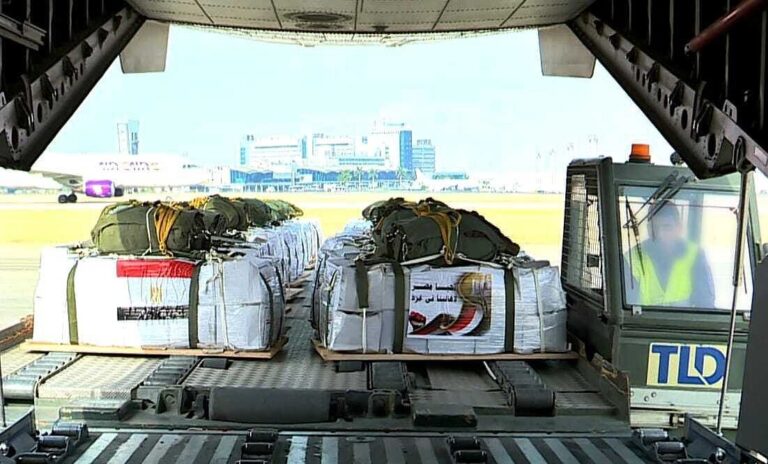
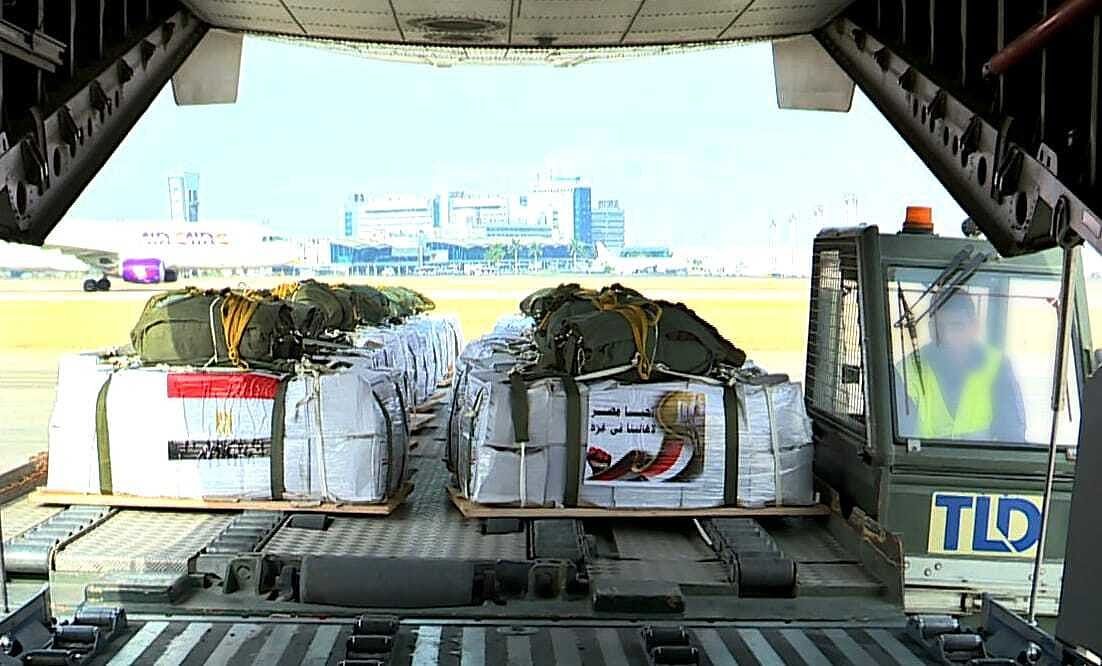
EGYPT - JULY 30: (----EDITORIAL USE ONLY - MANDATORY CREDIT - 'EGYPTIAN ARMED FORCES / HANDOUT' - NO MARKETING NO ADVERTISING CAMPAIGNS - DISTRIBUTED AS A SERVICE TO CLIENTS----) Egyptian military prepares humanitarian aid to be dropped from military cargo planes to areas that cannot be reached by land of Gaza, in Egypt on July 30, 2025. (Photo by Egyptian Armed Forces / Handout/Anadolu via Getty Images)
The government has successfully authorized an additional 15-ton humanitarian aid shipment destined for South America. This massive operation reflects the country’s continuous commitment to regional solidarity during complex emergencies. Consequently, specialized emergency teams worked overnight to load transport aircraft quickly. Because conditions require rapid deployment, logistics coordinators are prioritizing speed and inventory precision to ensure maximum impact upon arrival.
The Critical Role of the Panama Logistics Hub
Undeniably, the Panama logistics hub remains the most efficient infrastructure for managing large-scale regional emergencies. This advanced regional distribution facility houses resources from multiple international organizations, including the United Nations and the Red Cross. By utilizing centralized warehouses, agencies can package tons of crisis assistance shipments within hours. Therefore, the local hub safely serves as a foundational pillar for saving lives throughout the continent.
Providing Immediate Venezuela Crisis Relief
This specific deployment focuses heavily on delivering comprehensive Venezuela crisis relief. Due to prolonged socioeconomic challenges, millions of vulnerable families require continuous structural support. This new wave of emergency assistance for Venezuela will target hospitals and community soup kitchens directly. Furthermore, non-governmental organizations on the ground will handle internal distribution to make sure the relief cargo delivery reaches those facing extreme hardship.
Dispatching Emergency Medical Supplies
Significantly, the core cargo contains high-priority emergency medical supplies designed to stabilize local clinical operations. These packages include urgent clinical provisions, essential pediatric medicines, surgical tools, and chronic disease treatments. Because local pharmacies frequently face stock shortages, these medical relief kits will provide temporary relief to overworked doctors. Health authorities confirm that prioritizing medical equipment is the most effective way to minimize preventable mortality rates.
Coordinating International Relief Operations
Ultimately, this effort represents a successful example of modern international relief operations. These complex cross-border rescue missions require deep diplomatic coordination between civil aviation authorities, customs offices, and security forces. Fortunately, the established protocols in the city allow for seamless documentation processing. As a result of this global aid coordination, the flight took off without facing any unnecessary bureaucratic delays, proving that regional partnerships function smoothly when lives are at stake.