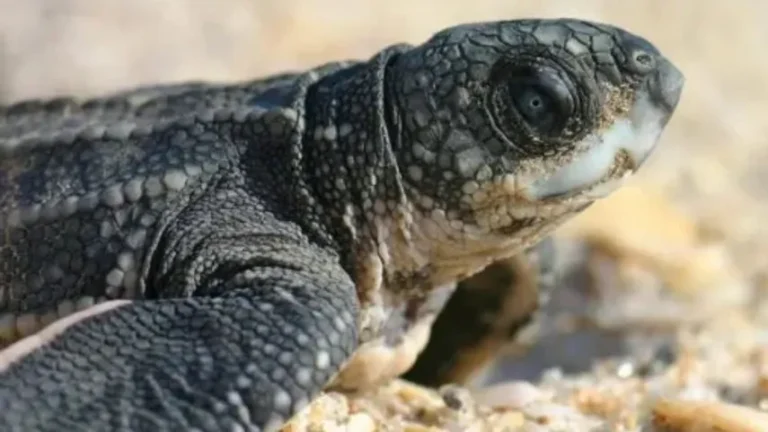
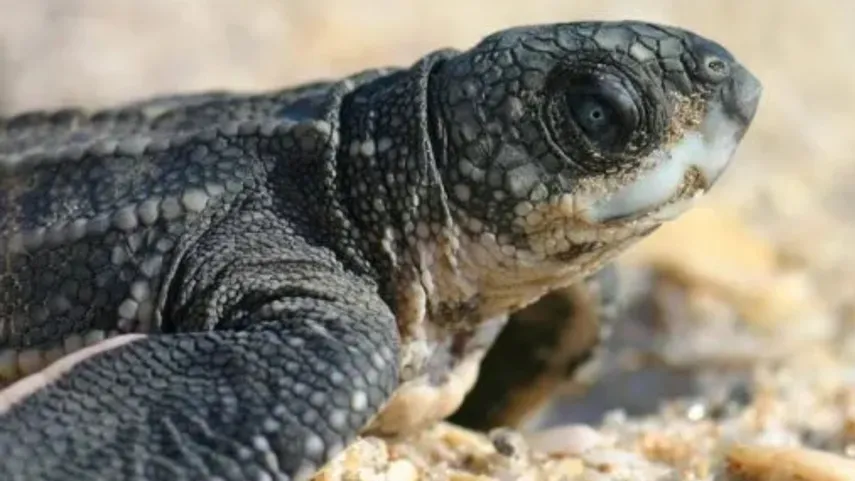
The Ministry of Environment (MiAmbiente) has officially confirmed the rare presence of a leatherback sea turtle swimming near the capital’s coast. This unexpected biological event has surprised local marine biologists and environmentalists alike. Consequently, authorities are closely monitoring the waters to guarantee the safety of this majestic reptile. Because this is the largest of all living turtles, its presence near an urban center requires immediate attention.
Significance of the Panama Bay Sighting
This unique Panama Bay sighting provides critical data regarding the migratory routes of giant ocean reptiles. Historically, these animals prefer deep oceanic waters rather than shallow, busy commercial gulfs. However, this recent bay area encounter proves that the species still utilizes the inner bay during its seasonal movements. Local fishermen first noticed the massive creature and immediately recorded the coordinates to notify conservation officers.
Protecting an Endangered Marine Species
Biologists emphasize that the Dermochelys coriacea remains a highly endangered marine species due to human activity. Plastic pollution, industrial fishing nets, and boat collisions present severe dangers to this threatened sea fauna. Therefore, maritime authorities are asking vessel captains to reduce their speeds when traversing the area. Protecting these prehistoric creatures is vital for maintaining the general health of the marine ecosystem.
MiAmbiente Issues a Wildlife Conservation Call
Following the observation, the government launched an emergency wildlife conservation call targeting coastal communities. This urgent environmental protection plea instructs citizens to report any future encounters without interfering with the animal’s natural path. Additionally, teams are distributing educational materials to local harbors. By raising public awareness, officials hope to minimize accidental injuries to traveling wildlife.
Urgency for Nesting Habitat Protection
Ultimately, the long-term survival of the species relies heavily on strict nesting habitat protection. Although this specific turtle was swimming, it might be looking for suitable breeding ground preservation zones along the Pacific beaches. Human development on coastlines often disrupts these delicate spaces. By enforcing careful coastal sanctuary monitoring, Panama safely reinforces its international commitment to global biodiversity conservation.