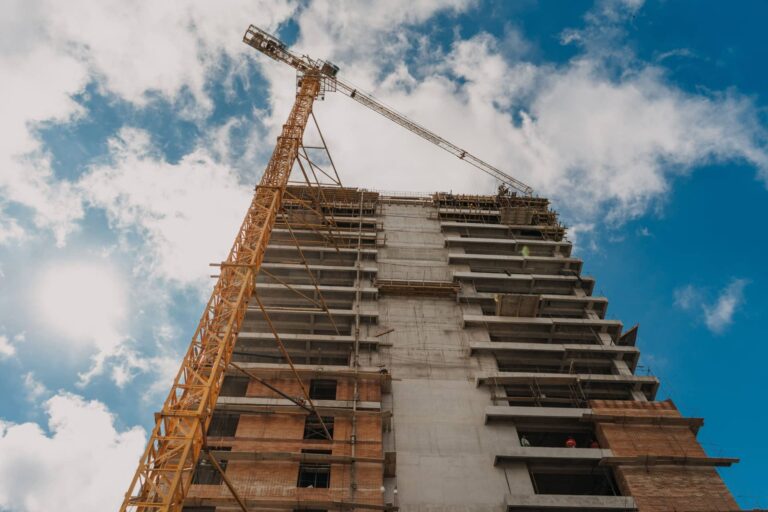
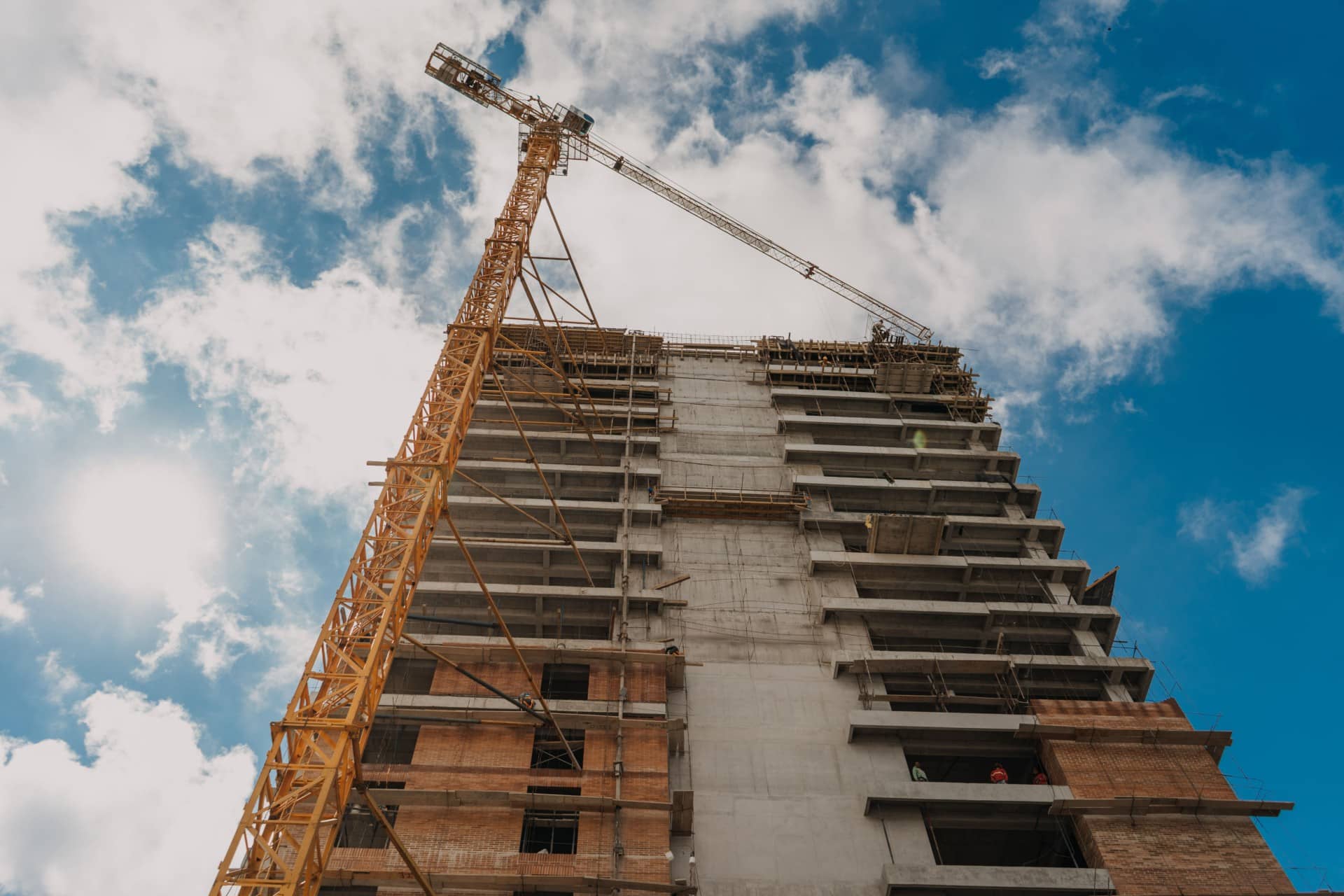
Costa Rica and Panama are currently experiencing sustained corporate real estate growth as demand for modern commercial infrastructure rises. Because both nations offer strong political stability, strategic locations, and favorable tax incentives, major developers are expanding their project pipelines. Consequently, institutional investors are allocating capital toward class-A office buildings across major urban centers. Furthermore, local economic authorities expect this corporate expansion to boost employment and attract specialized international talent over the next decade.
Expanding the Central American Office Market Footprint
Developers across the region are actively enhancing the Central American office market to accommodate flexible workspace demands. Therefore, architectural firms are designing versatile floor plans that integrate advanced digital infrastructure and collaborative zones. In addition, property managers are retrofitting older commercial buildings to meet modern tenant expectations. As a result, vacancy rates in premium business districts remain stable while rental yields continue to attract foreign private equity firms.
Positioning Regional Centers as a Multinational Corporate Hub
Strategic geographic positions allow both countries to serve as a thriving multinational corporate hub for global enterprises. Moreover, foreign corporations frequently establish regional headquarters in San José and Panama City to oversee operations across Latin America. Nevertheless, maintaining market competitiveness requires continuous public investment in urban transport and digital connectivity. By improving logistics infrastructure, regional governments ensure that international companies maintain efficient communication with global markets.
Driving High-Yield Commercial Property Investment
Robust demand for premium corporate space continues to accelerate commercial property investment throughout Central America. Currently, institutional funds are prioritizing assets that demonstrate high occupancy rates and long-term lease agreements. In response, developers are introducing mixed-use commercial projects that combine office spaces, retail outlets, and hotel accommodations. Meanwhile, financial institutions are offering structured real estate financing options to support large-scale construction developments.
Adopting Sustainable Building Certification Standards
Modern corporate tenants increasingly demand environmentally responsible facilities that feature official sustainable building certification credentials. Because international companies must adhere to global ESG regulations, developers are incorporating solar panels, energy-efficient HVAC systems, and water recycling technology. However, achieving green building standards requires higher upfront construction costs. Ultimately, sustainable facilities achieve higher tenant retention rates, lower operating expenses, and resilient market value.