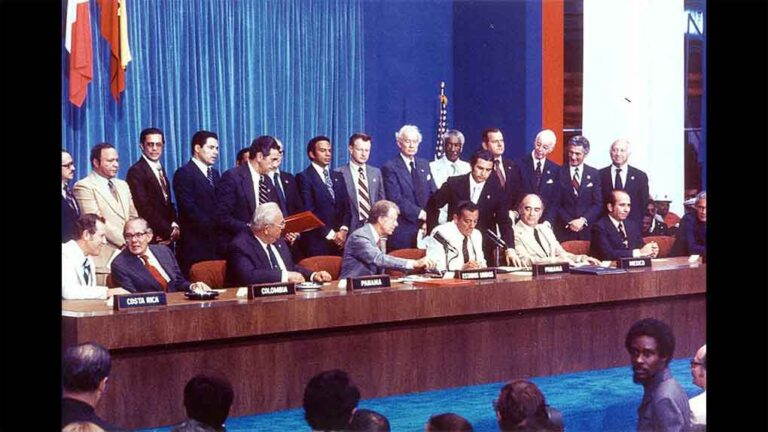
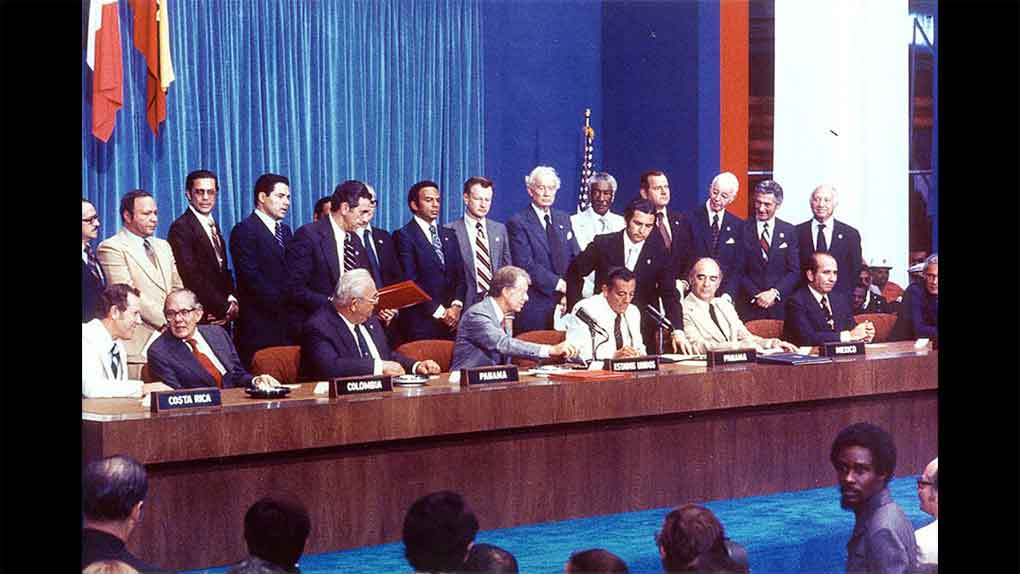
Panama is officially commemorating the 49th anniversary of the Torrijos-Carter Treaties Panama, signed on September 7, 1977. This historic milestone marked a decisive turning point in the nation’s fight for territorial integrity and self-determination. Because the historic accords set the timeline for transferring the waterway to local control, citizens honor this date with civic ceremonies across the country. Consequently, government officials and historians gather annually to reflect on the diplomatic triumph that defined modern Panamanian identity.
Securing Full Panama Canal Sovereignty
Signing the historic accords ended decades of foreign control over the Canal Zone and secured Panama Canal sovereignty for future generations. Therefore, national leaders organized educational exhibits and official tributes to teach young citizens about the treaty negotiations. In addition, these public events highlight how legal diplomacy restored full territorial control without armed conflict. As a result, the nation celebrates complete jurisdiction over its most valuable economic and geographic asset.
Honoring a Key Panamanian History Anniversary
Every September, civic organizations celebrate this essential Panamanian history anniversary to preserve collective memory. Moreover, cultural institutions host public lectures explaining how international solidarity supported Panama’s diplomatic cause during the late 20th century. Nevertheless, historians remind the public that achieving full independence required decades of social struggle and student activism. By reflecting on past sacrifices, citizens reinforce their national pride and democratic values today.
Remembering the Omar Torrijos Legacy and Leadership
A central element of the annual commemoration focuses on the Omar Torrijos legacy, honoring the general who negotiated the agreement alongside US President Jimmy Carter. Currently, political analysts view his diplomatic strategy as a masterclass in coalition building and international lobbying. In response to global geopolitical tensions, Torrijos rallied Latin American nations behind Panama’s cause. Meanwhile, scholars examine his leadership style to inspire contemporary foreign policy decisions and diplomatic initiatives.
Strengthening US-Panama Diplomatic Relations
Beyond its historical significance, the treaty signing reshaped US-Panama diplomatic relations into a modern partnership based on mutual respect. Because both nations continue to collaborate on regional security, maritime trade, and economic development, bilateral cooperation remains strong. However, maintaining efficient canal operations requires continuous investment and forward-thinking climate management. Ultimately, honoring the 1977 treaties reminds the world that peaceful negotiation can resolve long-standing international disputes.