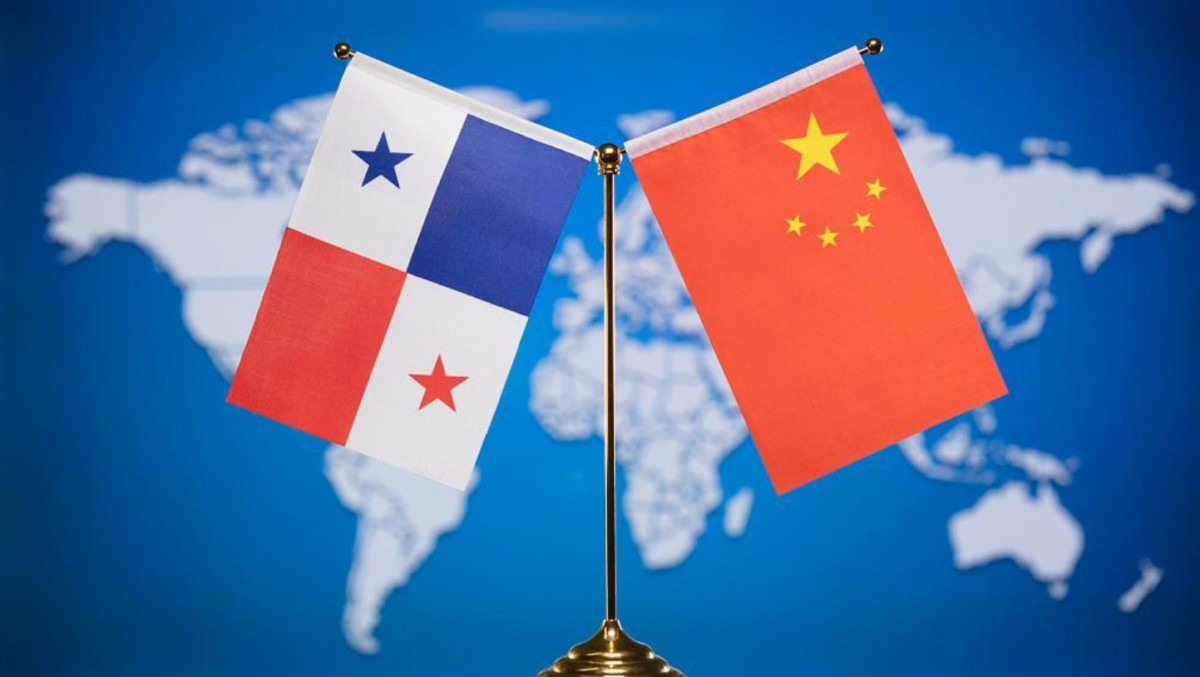
The Panama Maritime Authority (AMP) has officially initiated vital maritime cooperation talks with transportation authorities from the People’s Republic of China. This strategic shipping alliance meeting aims to thoroughly review and renew their historical agreements. Consequently, maritime administrators are prioritizing these bilateral negotiations to guarantee long-term operational stability. Because both countries control massive portions of global logistics, this dialogue remains highly significant for international trade networks.
Renewing the Panama China Shipping Treaty
The primary focus of these discussions is the extension of the official Panama China shipping treaty. Initially signed to boost commercial connectivity, this Beijing Panama maritime agreement has served as an essential tool for the economy. By keeping this framework active, both governments provide legal certainty to major global shipping corporations. Therefore, specialized diplomatic teams are drafting updated clauses to reflect modern environmental and electronic documentation standards.
Securing Preferential Port Treatment for Vessels
A major benefit of this continuous collaboration is maintaining preferential port treatment for Panamanian-flagged vessels navigating Asian waters. Under this clause, registered ships enjoy lower discounted port tariffs and faster customs clearance in Chinese terminals. Because operating costs directly influence corporate choices, these favored nation port fees give the Panamanian flag a massive competitive edge. Consequently, securing these exact economic advantages keeps the national registry highly attractive to international shipowners.
Elevating Global Merchant Fleet Safety Standards
Beyond financial perks, the new phase of negotiations heavily emphasizes merchant fleet safety. Both maritime agencies are creating shared digital platforms to monitor cargo vessel compliance and reduce port state control detentions. By sharing technical inspection data in real time, they can effectively protect their ship registry security. This proactive coordination directly minimizes bureaucratic delays while maximizing safety across transpacific trade corridors.
Driving International Global Trade Facilitation
Ultimately, the successful conclusion of these treaties directly supports global trade facilitation. Smooth international commerce optimization relies on open channels and predictable maritime regulations. By aligning their institutional protocols, Panama and China ensure better supply chain efficiency during turbulent economic times. As the discussions draw to a close, international operators can confidently expect a more integrated, secure, and highly efficient transoceanic logistics network.