
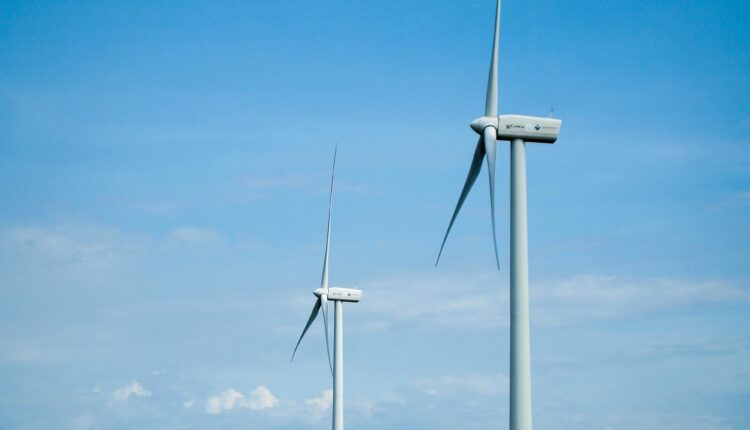
Severe heatwaves and unpredictable rainfall patterns are presenting severe challenges for infrastructure across Central America. To tackle these mounting ecological threats, local governments are prioritizing structural innovation within public services. Consequently, the government has launched a decisive Panama Energy Efficiency Boost in close coordination with international financial entities.
This comprehensive modernization initiative aims to optimize public electricity grids while lowering the fiscal burden of state administrative facilities. Furthermore, this cooperative strategy ensures that the entire territory develops strong defenses against current environmental vulnerabilities.
Strategic Inter-American Partnerships: The IDB Climate Finance Role
Securing sufficient funding remains a crucial element when executing major grid modernizations. Therefore, the implementation of this structural strategy relies heavily on IDB Climate Finance programs. The Inter-American Development Bank Green Support provides both specialized technology transfer and financial backing to remodel state consumption profiles.
This systematic backing accelerates the integration of smart monitoring equipment within diverse public offices. As a result, domestic technical teams can analyze power usage patterns in real time. This comprehensive Panama Power Optimization Drive reduces unnecessary waste while stabilizing the central electricity network during peak operational hours.
Building Extreme Climate Resilience Through Infrastructure
As unexpected temperatures rise, public networks suffer from heavy operational stress. This urgent situation requires immediate extreme climate resilience methodologies to prevent accidental electrical blackouts. By upgrading state consumption habits, the nation successfully builds durable safeguards against severe weather adaptability issues.
Every kilowatt saved through these eco-friendly initiatives alleviates pressure on the main distribution nodes. Consequently, local industries experience fewer service interruptions. This proactive approach proves that sustainable resource management works as an effective defense mechanism against global environmental volatility.
Institutional Commitments and the National Energy Plan
The ultimate success of these green modernizations depends entirely on a cohesive institutional framework. This structural transformation forms a central pillar of the newly structured National Energy Plan designed for the upcoming decades. Through this state power strategy, public administrators undergo professional certification programs to manage resources properly.
This human capital development guarantees that public buildings operate under strict global eco-friendly standards. Because trained professionals supervise daily power usage, the country establishes a lasting blueprint for eco-friendly consumption planning. Ultimately, this national roadmap transforms ecological challenges into tangible economic advantages for the entire population.



Will be good to see small towns such as Llano Grande just 30 min outside of Santiago the 2nd largest city in Panama are trying to develop sustainable industry but experience electrical outages 3 to 5 times per WEEK allowing industry to only work 3 or 4 days a week due to the lack reliable electric power. Panama’s productive and sustainble manufacturing industry can grow significantly if Panama had realiable electricity.