The ambitious Panama-David train project is officially moving forward at an accelerated pace. Panama’s government recently announced a massive restructuring plan for metropolitan transit and aviation. To make room for this historic high-speed rail line, authorities plan a gradual Albrook Airport closure. This decision marks a significant shift in national transport planning. By prioritizing a modern rail line over domestic flights, the administration aims to connect the entire country more efficiently.
Integrating the High-Speed Rail Terminal with Urban Transit
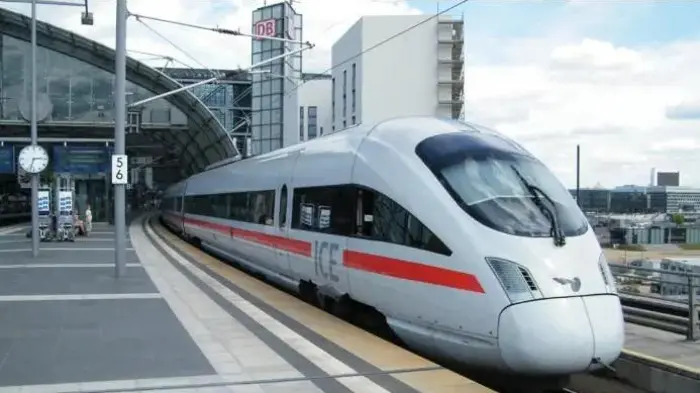
To build the main terminal of this Panama-David train project, planners must optimize urban space. Consequently, the new high-speed rail terminal will occupy land currently used by the Marcos A. Gelabert air terminal. This strategic integration will directly connect the new rail system with the existing Panama Metro Line 1. This central transport hub will allow passengers to transition smoothly between local metro trains, regional buses, and the new long-distance rail network.
Planning a Gradual Albrook Airport Closure
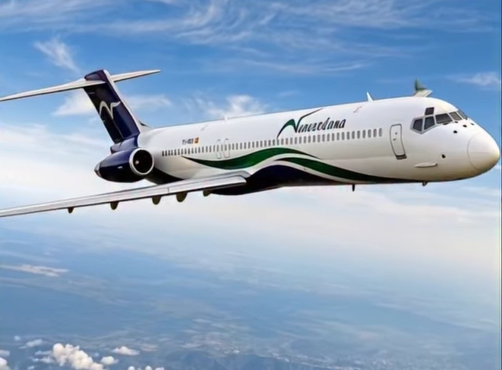
Managing the Albrook Airport closure requires a careful, phased strategy to prevent domestic aviation disruptions. Therefore, the government will gradually shift commercial domestic flights to Panamá Pacífico International Airport. This functional transition will occur over several years as the new rail system takes shape. Meanwhile, authorities will upgrade alternative airport infrastructure to handle the increased air traffic. This careful phasing ensures that regional connectivity remains active and efficient.
Massive Infrastructure Development and Public Investment
This historic shift represents a massive wave of infrastructure development for the country. The government is committing significant public funds to build a truly modern transit system. This state-led construction effort will create thousands of local jobs and stimulate economic growth across multiple provinces. Furthermore, the modern high-speed rail will dramatically reduce travel times between the capital city and the western region, fostering long-term economic integration.
Shaping the Future of National Transport Integration
Ultimately, this project represents the future of national transport integration. Moving from regional air travel to an advanced railway network aligns with modern sustainability goals. By offering a high-capacity, eco-friendly alternative to domestic flights, the nation is reducing its carbon footprint. In conclusion, the combination of the Panama-David train project and the strategic reuse of aviation land will redefine local mobility for generations to come.