The national agricultural sector is experiencing a highly productive season. According to recent official reports, Panama agricultural trade reached impressive new levels during June 2026. Data from the Ministry of Agricultural Development (MIDA) shows that crop mobilization grew by 11 percent this month. Therefore, local farmers are celebrating a significant increase in internal commercial activities. Both vegetable crops and livestock movements are showing incredible momentum across various provinces.
High Plantain Production Dominates the Crops Sector
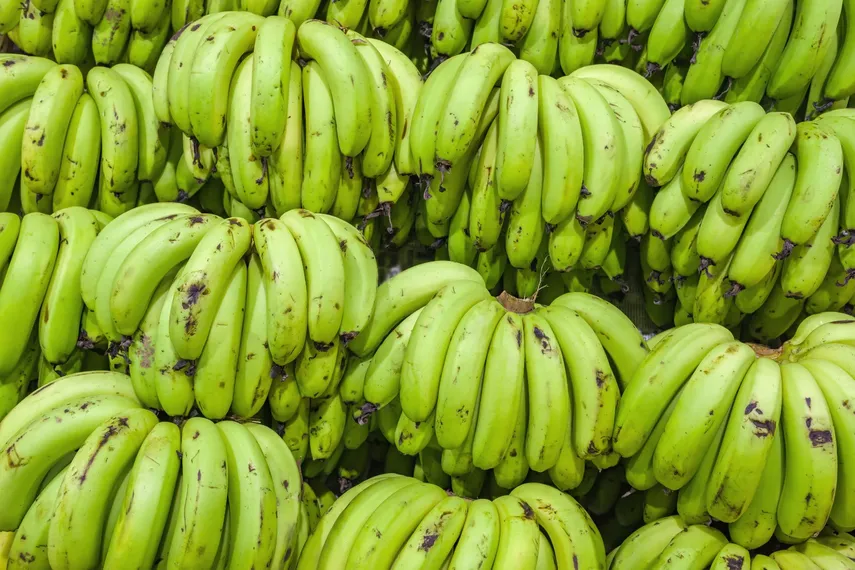
Excellent plantain production remains the primary driver of this economic expansion. During the latest monthly assessment, inspectors monitored over 53,138 quintals of vegetable products. Specifically, the popular banana crop accounted for a staggering 29,116 quintals of that total volume. This high demand positively impacts the domestic food market because local food consumption relies heavily on these nutritious starches. Consequently, regional distributors are expanding their internal agricultural distribution networks to satisfy the continuous demand from households and businesses.
The Cattle Industry Maintains Strong Domestic Momentum
Simultaneously, the local cattle industry continues to lead the national animal husbandry division. Although total animal mobilization experienced a very minor decrease, the livestock sector still recorded 29,560 inspected animals. Out of these, bovine farming represented 18,415 head of cattle, which equals 62 percent of the national total. Provinces like Darién, Panamá Este, and Coclé remain the main hubs for cattle ranching. These regions constantly ship animals to modern processing plants in Chiriquí, Los Santos, and Panama City.
Strict Sanitary Controls Ensure Food Safety
Finally, the government is utilizing modern sanitary controls to protect public health. Strict agricultural inspection teams monitor every single cargo shipment at regional checkpoints. Furthermore, these rigorous quarantine checks effectively prevent the spread of harmful agricultural pests. Because health monitoring is so thorough, consumers enjoy highly secure food products nationwide. In conclusion, these combined efforts keep Panama agricultural trade exceptionally safe, reliable, and highly profitable for everyone.