
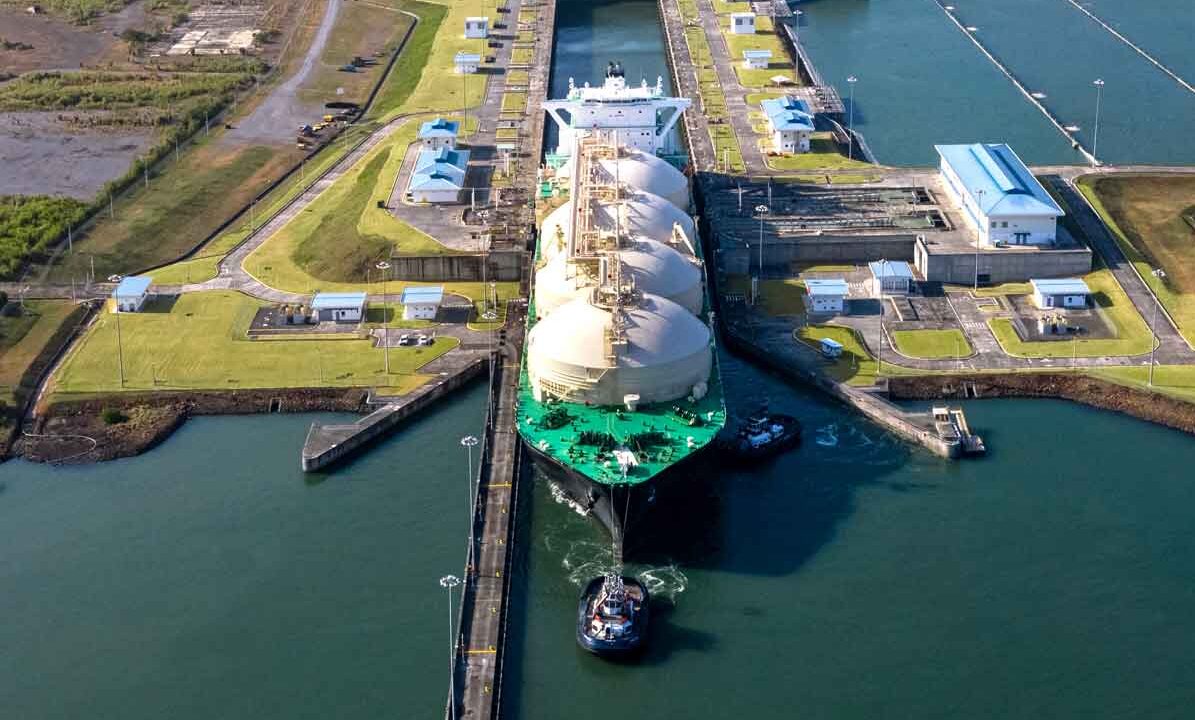
The Panama Canal Authority recently announced a significant Panama Canal transit increase, raising the number of permitted vessels to 38 per day. This strategic adjustment comes as a direct response to the volatile international climate. Because wars in other regions have disrupted traditional global trade routes, the Isthmus is seeing a surge in demand. Consequently, the waterway is reinforcing its role as a stable alternative for international shipping lanes that seek to avoid high-risk zones.
Raising the Daily Ship Capacity to 38 Vessels
By expanding the daily ship capacity, the administration aims to minimize bottlenecks during this period of high demand. This new vessel quota is possible thanks to improved water management and recent rainfall in the Gatun Lake basin. Furthermore, the Panama Canal transit surge ensures that the supply chain remains fluid despite the ongoing war-driven naval shifts. Therefore, the daily transit limit of 38 ships is currently the maximum safe operational level allowed by the authorities to maintain efficiency.
Geopolitical Maritime Impact on Shipping Demand
The current geopolitical maritime impact is reshaping how goods move across the planet. As conflict escalates in the Middle East and Eastern Europe, many companies are abandoning dangerous world maritime paths in favor of the American continent. This global tension logistics challenge has forced the Canal to accelerate its operational recovery. Since the interoceanic crossings offer a neutral and secure path, the pressure on the Panamanian infrastructure has reached unprecedented levels in early 2026.
Canal Authority Operational Updates and Future Planning
According to the latest Canal Authority operational updates, the transition to 38 ships required meticulous technical preparation. The ACP management news indicates that additional tugboat crews and transit pilots have been mobilized to handle the increased waterway traffic. Moreover, the waterway board decisions are focused on long-term sustainability, ensuring that this increase does not compromise the freshwater supply for the local population. In conclusion, Panama is proving its resilience as it adapts its Panama Canal transit capacity to meet the needs of a world in crisis.