The stability of the modern world depends heavily on a few strategic waterways that facilitate the movement of essential goods. From the Strait of Hormuz to the Panama Canal, these narrow passages serve as the arteries of the global economy. As international friction increases, these maritime chokepoints are becoming the primary stages for political posturing. Consequently, any disruption in these areas could trigger a massive wave of economic instability across every continent.
Analyzing the Panama Canal Significance in Modern Trade
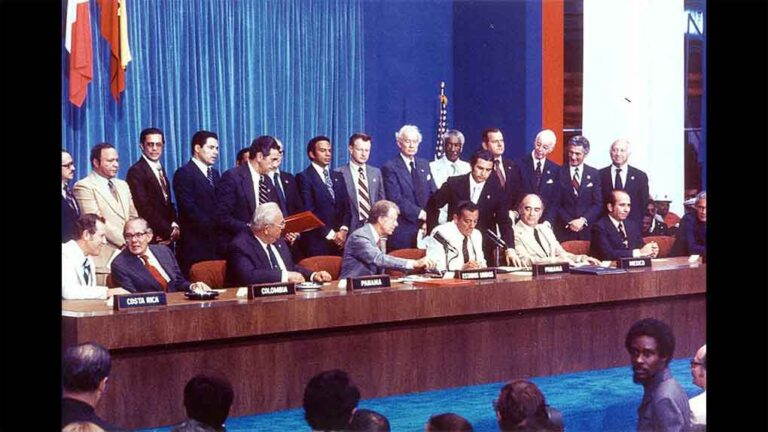
The Panama Canal significance cannot be overstated in the context of Western logistics. As a primary interoceanic route, it connects the Atlantic and Pacific Oceans, allowing for the rapid transit of energy and consumer goods. However, recent environmental challenges and regional shifts have put the Panama crossing under intense scrutiny. Because the world relies on this shortcut, maintaining its neutrality is vital for global trade security. Without it, the cost of shipping would skyrocket, impacting the price of basic commodities worldwide.
Rising Strait of Hormuz Tension and Energy Security
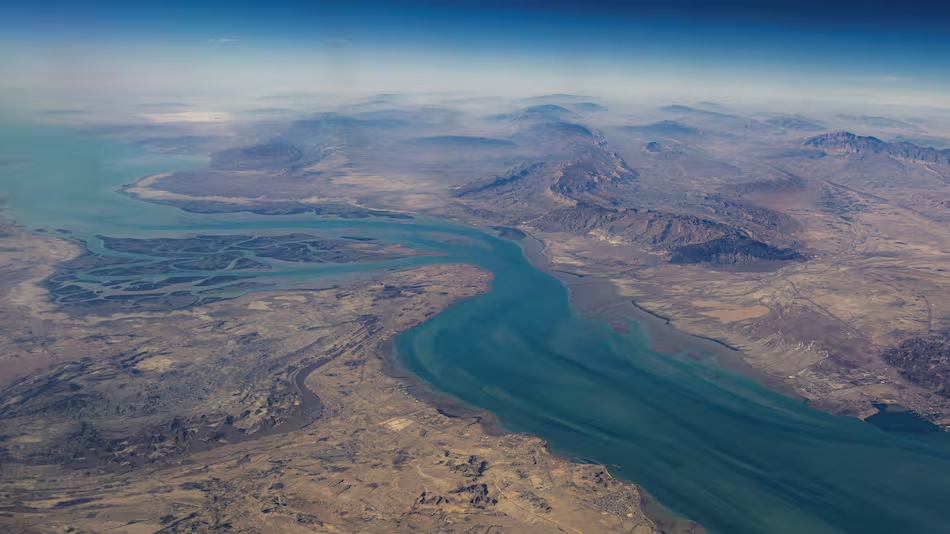
On the other side of the globe, the Strait of Hormuz tension remains a constant threat to the energy sector. This Middle East oil passage is perhaps the most volatile of all critical sea lanes, as it carries a significant portion of the world’s petroleum. Any localized Hormuz conflict would immediately disrupt the global energy supply, leading to fuel shortages and diplomatic crises. Therefore, major world powers maintain a constant naval power projection in the region to safeguard these vital waters.
Naval Power Projection and Global Trade Security
The ability of nations to ensure international shipping safety depends on their military maritime presence. Currently, superpowers are increasing their fleet deployment near the South China Sea and the Bab al-Mandab strait. This focus on naval power projection is intended to prevent piracy and blockades that could paralyze the maritime supply chain. Furthermore, as new technology emerges, the surveillance of these strategic waterways has become a high-tech game of cat and mouse between competing interests.
Conclusion: The Future of International Shipping Safety
In conclusion, the management of strategic waterways will define the power dynamics of 2026 and beyond. While the Panama Canal significance grows in the West, the East remains focused on the fragile peace within its own maritime chokepoints. Since these routes are irreplaceable, diplomatic cooperation is the only way to avoid a global catastrophe. Ultimately, the future of our interconnected world rests on the security of these narrow but powerful stretches of sea.