

The expectation is that GDP will increase by 8.3%, a slight cooling off from the nearly 11% in 2011. With that will come another round of inflation.
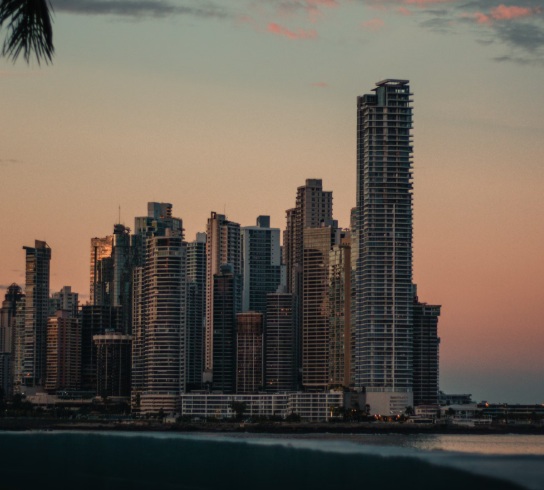
Panama has maintained a remarkable record of economic growth in recent years, despite the effects of the global economic crisis which began in 2008.
In 2011, the GDP growth rate reached 10.9%, driven by the construction sector, which grew by 18.5%, along with mining (18.4%), trade (15.9%), transport and communications (13.7%), financial intermediation (7.6%) and hotels and restaurants (7.6%).
In terms of composition, 24.1% of GDP is contributed to by the transport and communications sector, followed by commerce with 15.2%, financial intermediation and construction.
For 2012 expectations are that it will grow by 8.3%, a slowdown of two and a half percentage points compared to 2011. According to economist Adolfo Quintero, this will force the country to review its high levels of investment and public debt, to match future revenue streams.
In addition to indebtedness, Quintero identified as worrisome the stagnation of manufacturing and agriculture, which have been declining steadily in terms of contributing to GDP since 2007. Some activities such as fishing have shown negative figures since 2009.
“Within the state policy there should be efficient and effective use of available resources in order to avoid macrofiscal difficulties that might endanger our country’s investment grade. It is important to note that productive activities are reducing their participation in the generation of product GDP”, said Quintero.
Source: laestrella.com.pa

In addition to providing another leg to the Panamanian economy, a manufacturing base would improve the living standard of workers and their families as well as those who would sell to and provide services to these productive people.
Manufacturing offers a path of upward mobility to those willing to work for it. It is not infrequent in the manufacturing culture of “meritocracy” to find managers who came into entry-level positions and worked their way up to senior staff and even plant manager roles.
Manufacturing in Panama is virtually non-existent beyond fabrication of the most basic products (concrete block-making, metal bending and some plastics).
I believe there are two main reasons for this: 1) Education, and 2) the Labor Laws.
The education system as it is setup benefits very few. Mainly the “haves,” who benefit from cheap labor for menial tasks. Mathematics, science, and technology instruction at a more serious level will be needed to get the labor force ready to compete in a world-wide manufacturing market.
The labor laws presumably laid down to protect the worker, do the opposite. Instead of protecting the worker these laws provide enormous disincentive to employers, forcing them to look elsewhere. The worker who could have been looking at a more prosperous life, must look at what is currently available in the service sector. These laws, too, I believe have had an affect on the culture and life-outlook of many of the workers.
As a former manufacturing executive, until progress is made in these two areas, I could not in good conscience recommend to a company looking to relocate a manufacturing plant, that it build one here.