
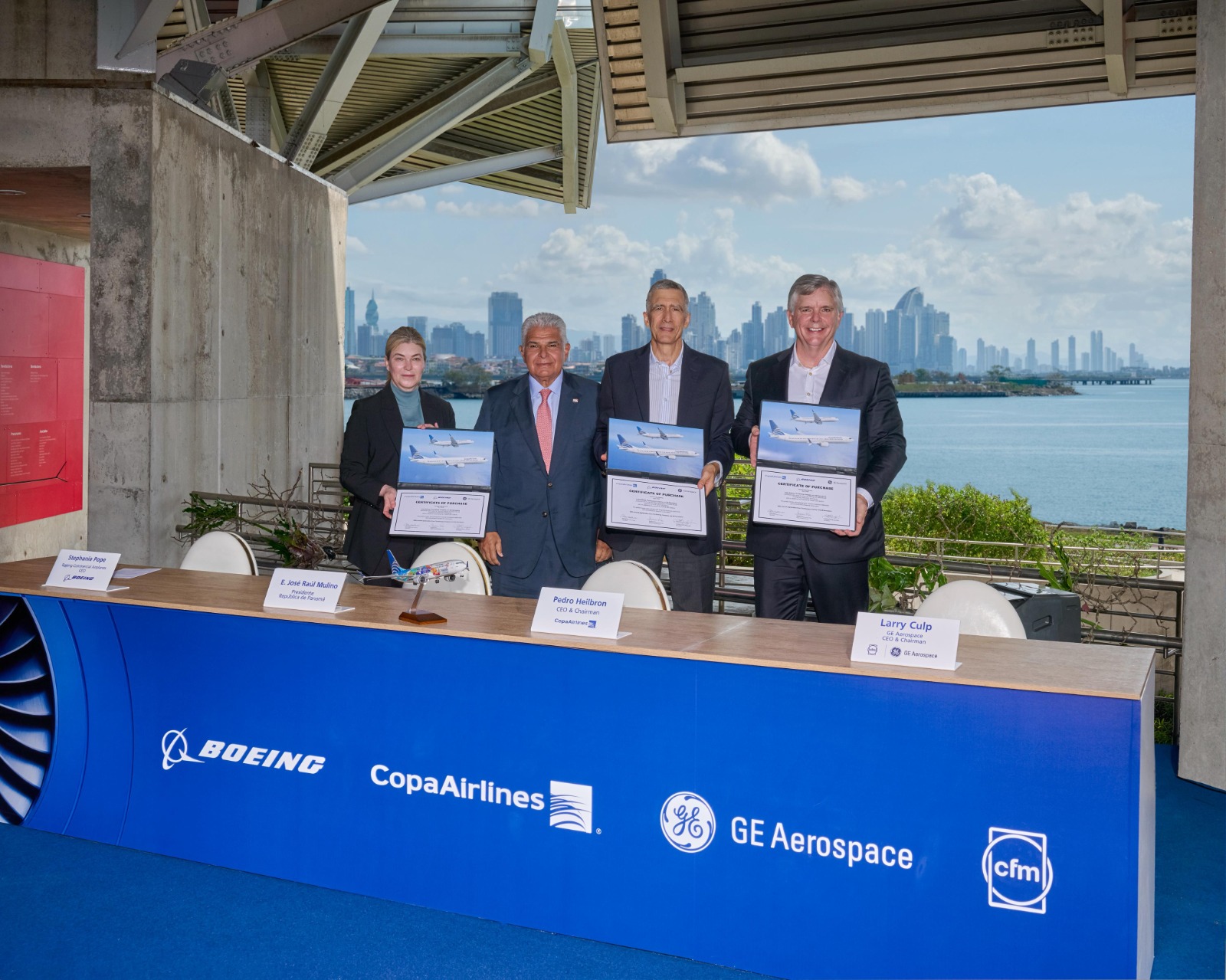
The future of travel in Central America looks brighter than ever. Recently, a landmark Copa Airlines agreement has emerged as a cornerstone for the nation’s evolving Panama tourism strategy. By partnering with global aviation giants, the country is positioning itself to become the premier hub for connectivity. This move is not just about logistics; it is about creating a robust ecosystem that supports sustainable, long-term growth for the entire country.
Leveraging the Boeing GE Aerospace Partnership
The core of this expansion involves a strategic collaboration with Boeing GE Aerospace. By focusing on fleet modernization, the airline is ensuring that its operations remain at the cutting edge of the industry. This aviation technology investment allows for greater fuel efficiency and reliability. Furthermore, by integrating superior aircraft engine efficiency, the carrier can expand its reach, opening up new markets that were previously difficult to access. Consequently, this initiative strengthens the overall aviation network, making it easier for visitors to choose Panama as their primary destination.
Boosting the Panama Economic Impact
This modernization directly contributes to a significant Panama economic impact. As flight capacity increases, the flow of international travelers will rise, providing a much-needed tourism revenue boost for local businesses. The hospitality and service sectors are poised to benefit from this influx of visitors. Moreover, the national hospitality sector is already preparing to scale operations, ensuring that the country remains competitive on the global stage. Ultimately, this comprehensive approach to infrastructure serves as a major driver for national prosperity.
Commitment to Sustainable Air Travel
Finally, the deal places a heavy emphasis on sustainable air travel. Through various green aviation projects, the stakeholders are ensuring that growth does not come at the cost of the environment. Implementing carbon-efficient flights is a priority, aligning local operations with international standards. Additionally, these eco-friendly tourism initiatives make the country an attractive option for the modern, environmentally conscious traveler. By balancing expansion with responsibility, the country is securing its place as a leader in the region, ensuring that the benefits of this partnership are felt for generations to come.