
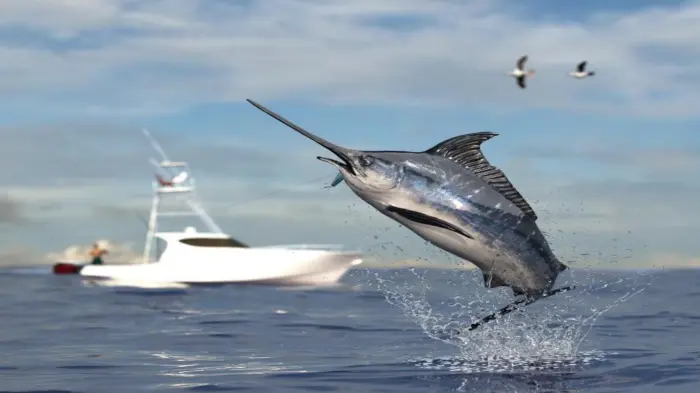
The maritime authorities have officially confirmed a comprehensive update to the legal framework governing coastal recreational activities. Starting this December, the newly drafted Panama sport fishing regulations will introduce strict operational requirements for both domestic and international vessels. This regulatory shift aims to address growing environmental pressures on vulnerable billfish populations, such as marlin and sailfish. Consequently, charter captains and individual boat owners must modify their onboard operations to comply fully with these updated maritime fishing guidelines before the high season begins.
Furthermore, these incoming changes represent a coordinated effort between administrative bodies and environmental groups to preserve local biodiversity. The government intends to deploy specialized maritime patrols across major marine corridors to monitor compliance effectively. Therefore, failing to adhere to the updated recreational angling rules will result in substantial financial penalties and potential license revocations. By implementing these strict protocols early, the current administration safely establishes a healthy, law-abiding environment for global travellers.
Strengthening Marine Conservation Laws and Sustainable Tourism Development
The primary objective behind this legislative update is the long-term reinforcement of national marine conservation laws. By establishing clear seasonal restrictions and geographical boundaries, these ocean protection policies protect critical feeding grounds from overexploitation. This structured intervention ensures that highly migratory species can reproduce safely without facing continuous disruptions from high-density maritime traffic. Because healthy ecosystems attract conscious travelers, these protective measures directly support long-term sustainable tourism development across coastal communities.
In addition to protecting specific geographical zones, the updated legal framework actively promotes eco-friendly travel expansion by incentivizing responsible charter businesses. Operators who obtain green certifications will receive priority access to premium docking facilities and international promotional campaigns. This economic incentive proves that environmental responsibility can coexist smoothly with commercial profitability. As global tourists increasingly favor eco-friendly options, the updated ocean protection policies will enhance the destination’s competitive edge in the global marketplace.
Advancing Aquatic Resource Management Through Catch and Release Practices
The successful execution of this environmental master plan relies heavily on modern aquatic resource management techniques. Under the new decree, authorities will mandate the exclusive use of circle hooks to minimize deep hook injuries in predatory fish. This technical requirement ensures that mandatory catch and release practices yield high post-release survival rates. By transitioning toward these non-lethal angling methods, the local industry protects marine wildlife preservation goals while maintaining the thrill of the sport.
Ultimately, these strict rules ensure that the world-class reputation of the local waters remains intact for future generations of anglers. As the December deadline approaches, the ministry plans to conduct educational workshops for local communities and maritime stakeholders. These informative sessions will explain the technical aspects of the new circle hook mandates and safe handling protocols. Through continuous education and rigorous enforcement, the updated Panama sport fishing regulations pave a secure path toward absolute ecological sustainability.




Can you get a copy of the new regulations and print it in English? It would be a great help.
That’s an amazing step forward to conserve the existing marine resources of Panama. ??
Enforcement is always a challenge and therefore any blatant infractions should be delt with accordingly.
Stiff fines for the vessel owners and confiscation of their involved vessels should be mandatory!
Capt Dave Mucci
That’s an amazing step forward to conserve the existing marine resources of Panama. ??
Enforcement is always a challenge and therefore any blatant infractions should be delt with accordingly.
Stiff fines for the vessel owners and confiscation of their involved vessels should be mandatory!
Capt Dave Mucci