
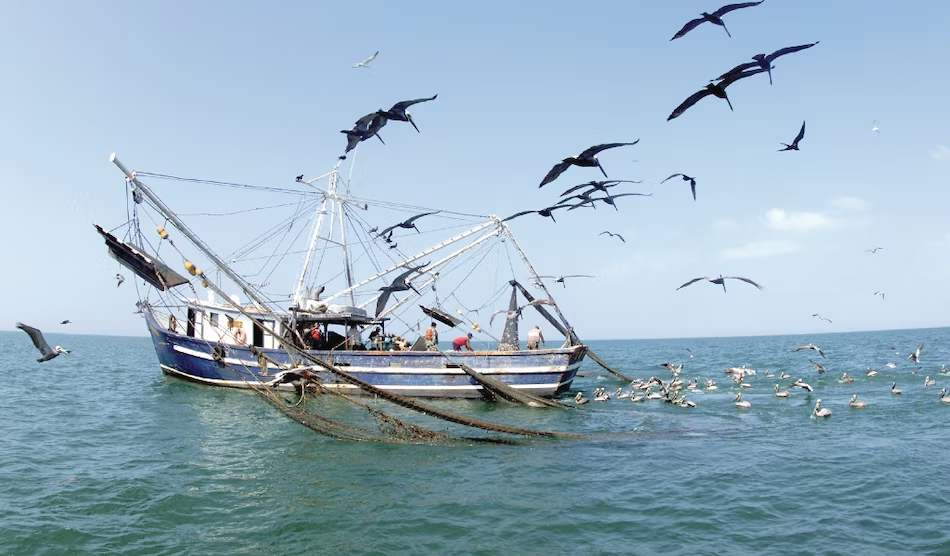
The Aquatic Resources Authority of Panama (ARAP) officially declared the second Panama shrimp fishing ban for the current year. The temporary prohibition begins at 12:01 a.m. on September 1 and ends at 12:00 p.m. on October 11. During this window, harvesting wild marine shrimp across the national territory remains strictly forbidden. Therefore, commercial fleets and artisanal fishers must pause wild capture operations to allow wild populations to recover.
Enforcing ARAP Sustainable Fishing Policies
Environmental officials established this measure under Executive Decree No. 158 to safeguard aquatic ecosystems. Because wild crustaceans experience heavy commercial pressure, temporary protection allows the species to complete its natural reproductive cycle. Consequently, ARAP sustainable fishing policies maintain long-term resource viability for domestic markets and major export destinations.
Furthermore, law enforcement agents and maritime inspectors will conduct strict surveillance operations across coastal waters, landing docks, and processing plants. Vessels caught operating without authorization face severe economic penalties and gear confiscations.
Mandatory Shrimp Inspection Certificate Requirements
Commercial vendors, processing plants, and aquaculture farms must comply with strict administrative procedures before the deadline. Any business holding existing stock must apply for an official shrimp inspection certificate issued by ARAP. This document verifies that stored inventory was harvested prior to the Panamanian shrimp ban period.
Without this visual verification document, selling, storing, or displaying wild or farmed shrimp remains illegal. Moreover, restaurants and wholesale distributors must keep these certificates visible during routine municipal and environmental inspections.
Transport Regulations and Commercial Sales Authorization
Distributing seafood across domestic transit routes requires additional authorization during the restricted window. Companies carrying shrimp, postlarvae, or nauplii must acquire a commercial seafood transport permit from regional ARAP offices. Patrol checkpoints along major highways will verify shipping manifests to prevent illicit trade.
By enforcing strict aquatic life preservation standards, government agencies protect vital marine species while guaranteeing transparent supply chains. As a result, consumer markets retain access to legally certified inventory while wild marine populations regenerate safely.