
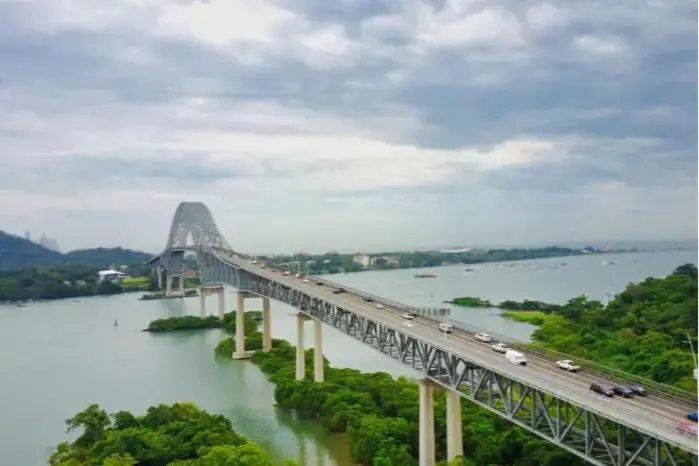
Panama City officially earned a prestigious position among the best Latin American cities in 2026[cite: 1]. According to the latest Oxford Economics Global Cities Index, the Isthmian capital secured fifth place regionally and ranked 280th globally among 1,000 evaluated metropolises[cite: 1].
+-------------------------------------------------------------------------+
|        TOP 5 LATIN AMERICAN CITIES (2026 GLOBAL CITIES INDEX)           |
|                                                                         |
|  1. Buenos Aires, Argentina (#138 Global)                               |
|  2. Santiago, Chile (#155 Global)                                       |
|  3. Lima, Peru (#196 Global)                                            |
|  4. Mexico City, Mexico (#221 Global)                                   |
|  5. Panama City, Panama (#280 Global)                                   |
+-------------------------------------------------------------------------+
Panama City Ranking in Global Indices
The comprehensive study analyzed 113 top cities in Latin America using 27 distinct indicators divided into five core categories[cite: 1]:
- Economy[cite: 1]
- Human Capital[cite: 1]
- Quality of Life[cite: 1]
- Environment[cite: 1]
- Governance[cite: 1]
Consequently, this Panama City ranking places the capital directly behind regional leaders like Buenos Aires, Santiago, Lima, and Mexico City[cite: 1]. Furthermore, Panama City surpassed other major urban centers, including São Paulo, San José, Bogotá, Monterrey, and Brasilia[cite: 1].
Strengths as a Latin American Logistics Hub
The report highlights Panama’s strategic role as a major Latin American logistics hub[cite: 1]. Because of its advanced trade infrastructure and maritime connectivity, the country attracts international investment continuously[cite: 1].
Additionally, researchers emphasized that human capital serves as a core competitive advantage for leading Latin American metropolises[cite: 1]. Local universities, rising educational levels, and growing workforce productivity significantly boost the country’s economic potential[cite: 1]. Therefore, local leaders leverage these human resources to drive long-term development[cite: 1].
Addressing Quality of Life in Panama City
While economic prospects remain strong, the index identifies urban living conditions as an ongoing regional challenge[cite: 1]. Specifically, issues like income inequality and social disparities affect the quality of life in Panama City and neighboring urban centers[cite: 1].
Nevertheless, economic planners are actively working to address these social factors through targeted public policies[cite: 1]. By continuously expanding infrastructure and improving educational access, the premier Latin American urban hub strengthens its standing on the world stage