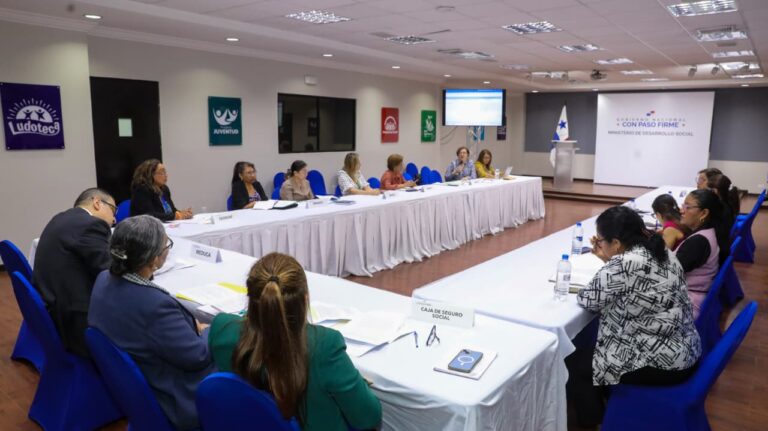
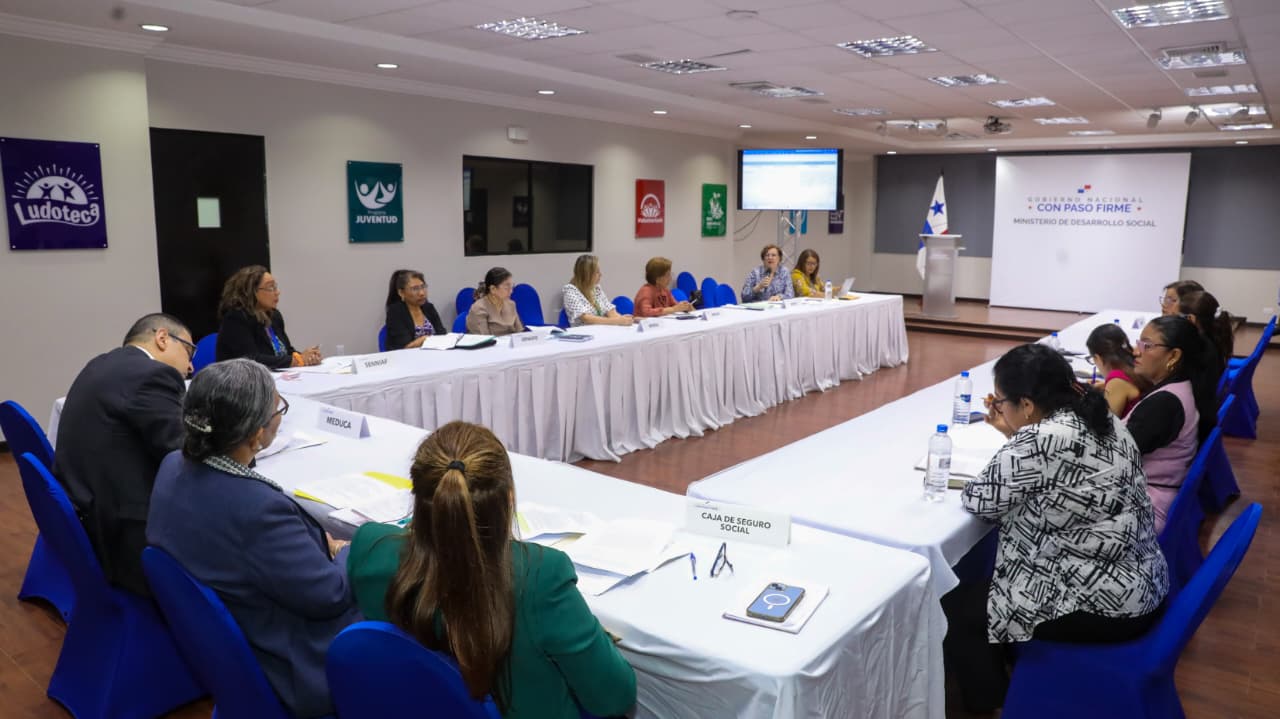
The Ministry of Social Development (MIDES) has achieved a historic social justice milestone by reaching consensus on the regulatory executive order for the National Care System. Through collaborative dialogue across public institutions and civil society, officials defined clear criteria for implementing the law. Consequently, this landmark initiative sets a formal structural foundation for protecting dependent individuals and formalizing essential caregiving responsibilities across the country.
Unifying Executive Decree Regulation for Care Services
Establishing a unified executive decree regulation ensures that public care services function with clear standards and equitable access. During strategic consultation sessions, stakeholders harmonized operational definitions to address the needs of early childhood, elderly populations, and people with disabilities. Therefore, the Panama care system reform creates a unified framework that guides both state entities and private sector participants in delivery standards.
Furthermore, the new care service framework Panama establishes prioritizes decentralized implementation. By integrating municipal governments into the execution phase, regional communities can address specific local care deficits efficiently. As a result, this regulatory executive order bridges long-standing socio-economic gaps between urban centers and rural territories.
Strengthening Caregiver Support Policies and Social Welfare
A fundamental pillar of this social welfare achievement focuses on advancing comprehensive caregiver support policies. Historically, unpaid care work has fallen disproportionately upon women, limiting their educational and professional opportunities. To counter this inequality, the new care law framework decree introduces structured training, formal accreditation, and financial assistance programs for home caregivers.
In addition, the Ministry of Social Development emphasizes that recognizing care as a fundamental human right strengthens the entire national economy. When unpaid caregivers gain access to professional training and labor market integration, community productivity increases significantly. Ultimately, this Panamanian care policy transformation guarantees dignity for care recipients while elevating the socio-economic status of dedicated caregivers throughout Panama.