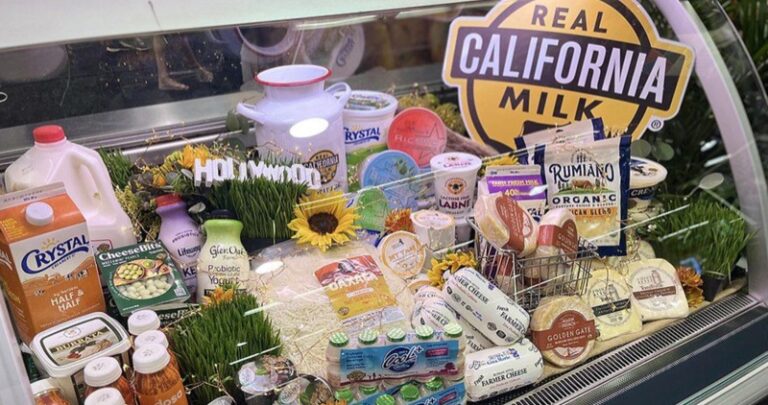
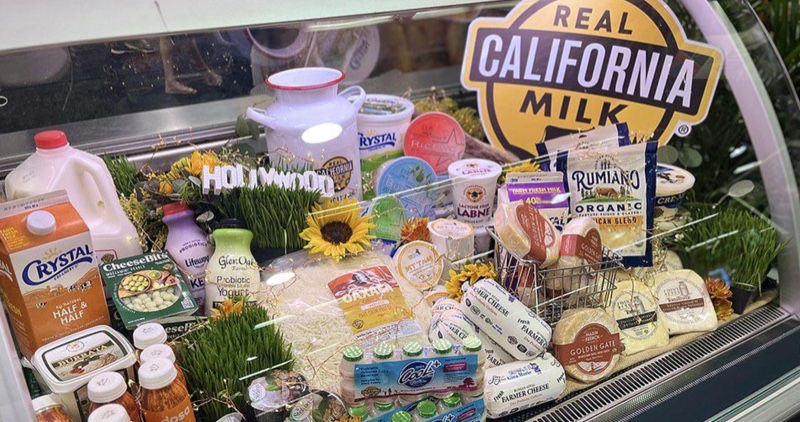
The California dairy market Panama initiative gained significant momentum during the recent Food Tech event organized by the Sabor USA initiative. Over 150 food sector companies gathered to connect local Panamanian importers with US agricultural exporters. Because California stands as the largest milk producer in the United States, its dairy trade expansion strategy now focuses on establishing deeper commercial roots in Central America.
Connecting US Dairy Products Panama to Local Distributors
During the summit, representatives from the California Milk Advisory Board highlighted strategic opportunities for foreign dairy ingredients within regional supply chains. Janet Arellano, international director for the advisory board, emphasized that bringing US dairy products Panama buyers need directly to local manufacturers creates valuable business synergies. Consequently, Panamanian food processors can acquire high-grade imported dairy raw materials to create value-added items for domestic consumption and re-export.
Furthermore, United States diplomatic representatives reinforced the importance of robust agricultural trade relations. Andrew Hothacher, Agricultural Attaché at the US Embassy, noted that Panamanian processors gain access to premium imported dairy inputs that are not produced locally. As a result, this bilateral economic cooperation boosts processing efficiency while driving growth across the broader food sector.
Navigating Competition Within the Panamanian Dairy Industry
Despite these new trade prospects, California milk producers Panama exporters partner with must navigate an established market. The Panamanian dairy industry is currently dominated by entrenched domestic brands with extensive logistics systems. For instance, local leader Estrella Azul commands roughly one-third of the domestic market share through a distribution network covering over one hundred active routes.
Moreover, the domestic Panamanian dairy sector represents roughly four percent of the nation’s Gross Domestic Product. Local companies purchase tens of millions of liters of raw milk from hundreds of domestic farms each year. Therefore, foreign suppliers must build collaborative partnerships rather than direct competition. By offering specialized products and reliable supply lines, California exporters can effectively establish a lasting footprint in Panama.