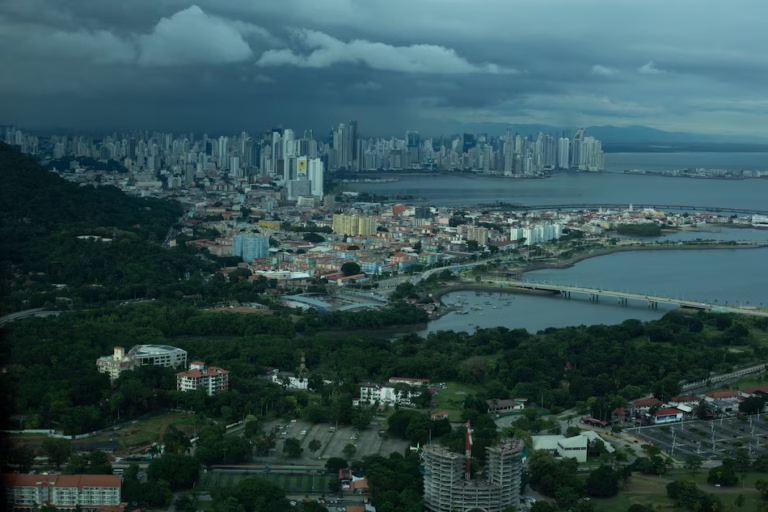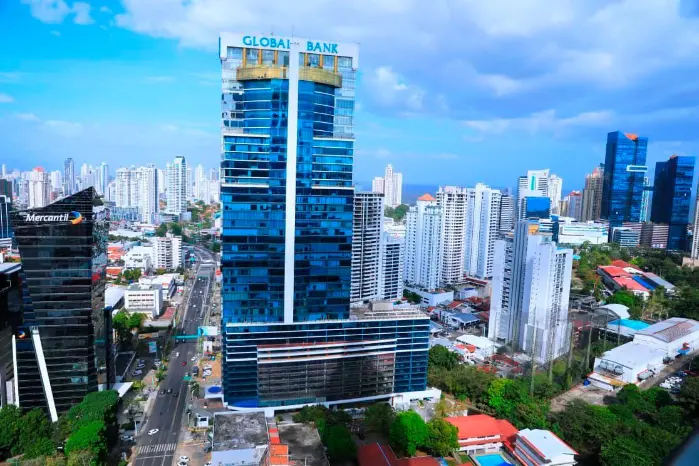
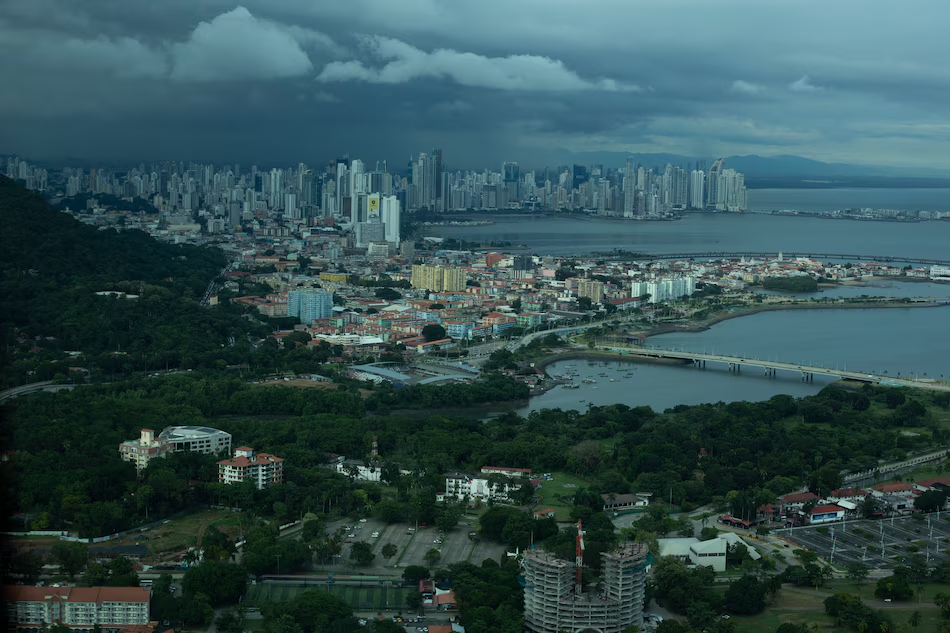
The Republic of Panama continues to demonstrate remarkable progress and stability. Recently, representatives from global corporations explored diverse business ventures during a targeted visit organized by the World Economic Forum. Consequently, financial experts noted that national economic growth relies heavily on a solid legal framework, clear regulations, and a stable dolarized currency.
Furthermore, international observers emphasized that these foundational advantages significantly reduce financial risks for foreign stakeholders. Because of these favorable conditions, global investors view the country as a premier destination for long-term capital deployment.
World Economic Forum Insights and Strategy
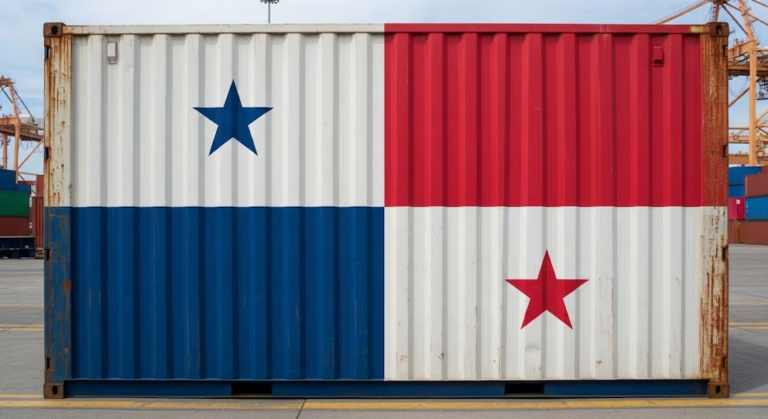
Executive leadership from the global organization pointed out that many international visitors initially arrived with limited expectations. Specifically, most executives primarily associated local commerce solely with maritime logistics and canal operations. However, comprehensive meetings revealed a much broader spectrum of commercial prospects.
Moreover, discussions covered upcoming port tenders, energy transition initiatives, and advanced technological developments. These interactions successfully bridged the gap between multinational enterprises and regional governance structures.
Foreign Investment Opportunities Beyond the Canal
Beyond traditional maritime activities, several emerging sectors captured immediate attention from visiting executives. For instance, clean energy transition programs, data centers, and digital infrastructure initiatives emerged as primary areas of interest. Additionally, government incentives for multinational headquarters and technological advancements attracted considerable corporate enthusiasm.
Ultimately, expanding into these diverse industries helps diversify the national market and supports sustainable commercial development. Stakeholders remain optimistic about translating these strategic dialogues into concrete operational projects.
Converting Capital into Formal Employment
Despite favorable macroeconomic indicators, translating capital inflows into formal job creation remains a primary national priority. Authorities and business leaders continuously work to address labor market challenges and reduce informal employment rates. Furthermore, aligning educational programs with modern technological demands ensures that local talent benefits directly from incoming capital.
Therefore, fostering collaborative partnerships during upcoming international summits will remain essential for driving sustainable prosperity and widespread employment across the region.