
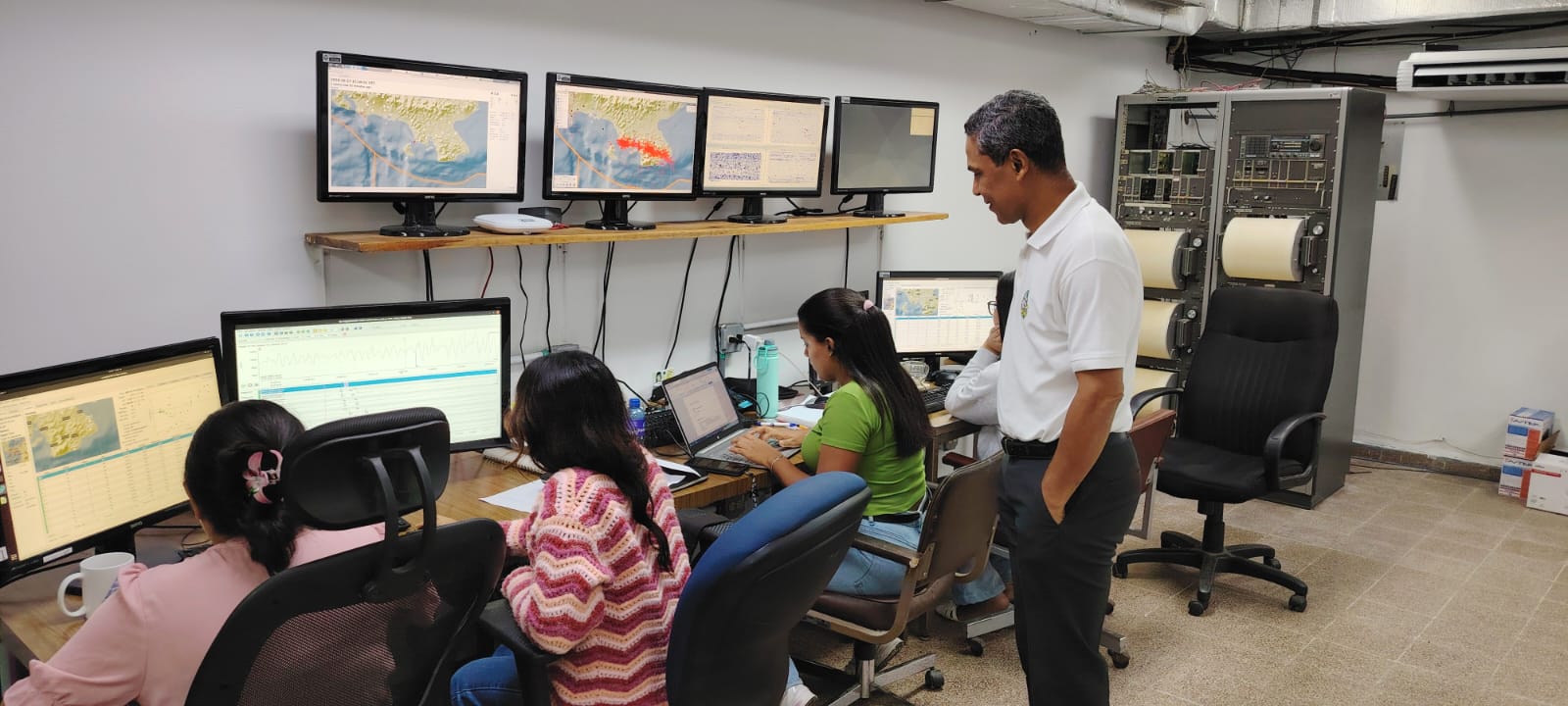
Nearly a month after a powerful magnitude 7.5 earthquake shook the nation, local communities continue to experience ongoing ground movements. According to official reports, the Geosciences Institute has officially recorded 1,271 tremors as the tectonic plates settle. This continuous series of Panama earthquake aftershocks serves as a vital reminder of the country’s active geological profile and the importance of preparedness.
Scientific Tracking of Seismic Activity in Panama
Experts note that while the frequency of these secondary tremors has decreased over time, the seismic activity in Panama will likely persist for several months. Specialists from the university research center explain that the Azuero-Soná fault system is currently undergoing a natural reaccommodation process. To capture precise data, researchers utilize advanced seismic monitoring equipment installed across various strategic locations in the central provinces.
Evaluating Post-Earthquake Safety and Landslides
Beyond counting ground tremors, researchers have also evaluated the physical impact of the major seismic event. Satellite imagery analysis revealed thousands of localized landslides near the epicenter, prompting ongoing field assessments. By combining satellite data with real-time station metrics, the seismological agency aims to map high-risk zones and enhance regional resilience against future geological emergencies.