
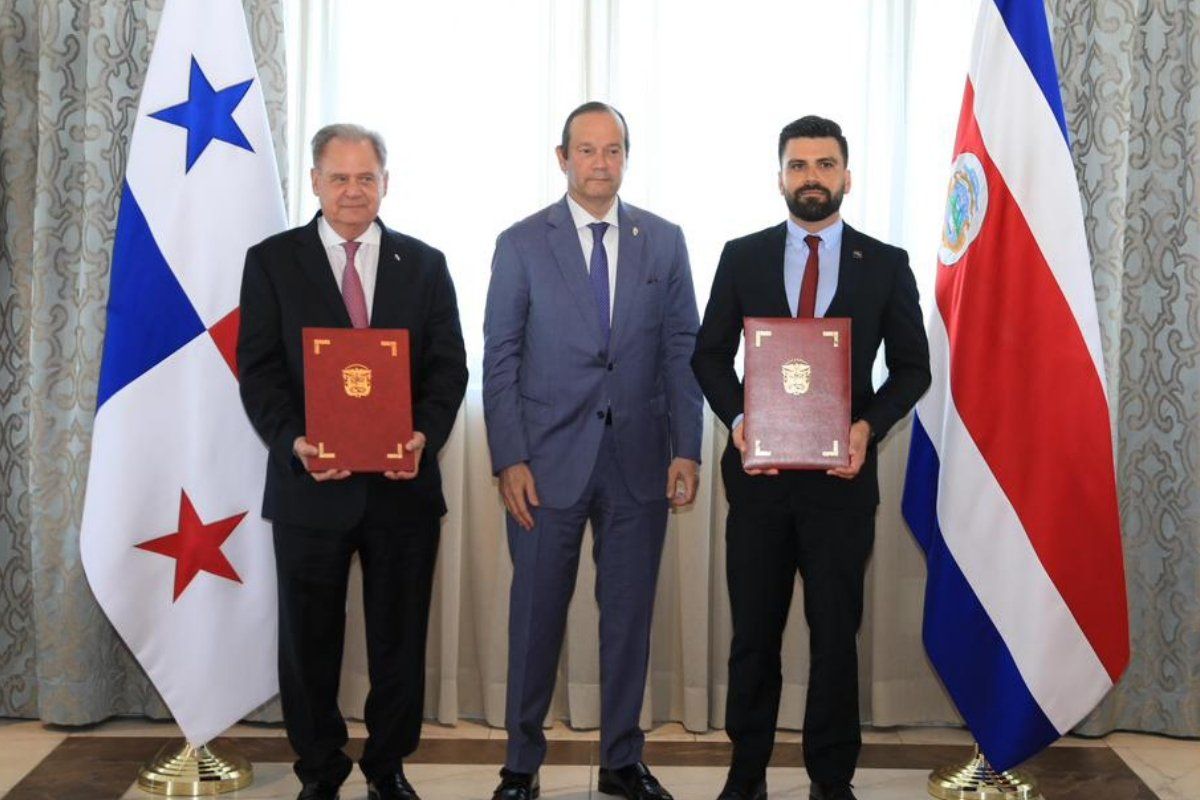
Panama and Costa Rica have officially signed a memorandum of understanding to develop a massive binational railway corridor. This ambitious cross-border train project aims to revolutionize how goods and people move between the two nations. By establishing this link, both governments seek to enhance their economic cooperation and create new opportunities for local businesses. The initiative is a cornerstone of a broader vision for regional integration in Central America. Furthermore, the modern infrastructure will facilitate a more efficient flow of resources, strengthening the long-standing trade partnership between these neighbors.
Boosting Sustainable Tourism and Eco-Friendly Travel
One of the primary goals of this transport initiative is the promotion of sustainable tourism. The railway will allow visitors to explore the natural wonders of both countries without relying solely on air travel or heavy road traffic. Consequently, this shift toward eco-friendly travel will help preserve the rich biodiversity that characterizes the region. Tourism operators are already anticipating a surge in demand as the binational railway corridor makes remote destinations more accessible. By prioritizing green transport, the trade partnership also aligns with global environmental standards, ensuring that growth does not come at the expense of the planet.
Enhancing Logistics Connectivity and Transport Infrastructure
The technical aspects of the project focus heavily on improving logistics connectivity. Reliable transport infrastructure is essential for Panama’s role as a global hub, and extending this reach to Costa Rica creates a powerful economic bloc. Because of the high-speed nature of the proposed tracks, the time required for cargo transit will decrease significantly. This improvement in regional integration will likely attract further international investment to the area. Moreover, the cross-border train project will include modern stations that serve as centers for commercial activity, further driving economic cooperation at the grassroots level.
A Strategic Vision for Central American Unity
Looking ahead, the successful implementation of this rail link represents a major step toward Central American unity. Government officials emphasize that the binational railway corridor is just the beginning of a larger network of logistics connectivity. As the two nations work together, they provide a roadmap for other countries to follow in terms of sustainable tourism and shared prosperity. Therefore, the focus remains on long-term stability and the continuous improvement of transport infrastructure. Ultimately, this historic agreement ensures that the trade partnership between Panama and Costa Rica remains a primary engine for growth in the 21st century.