
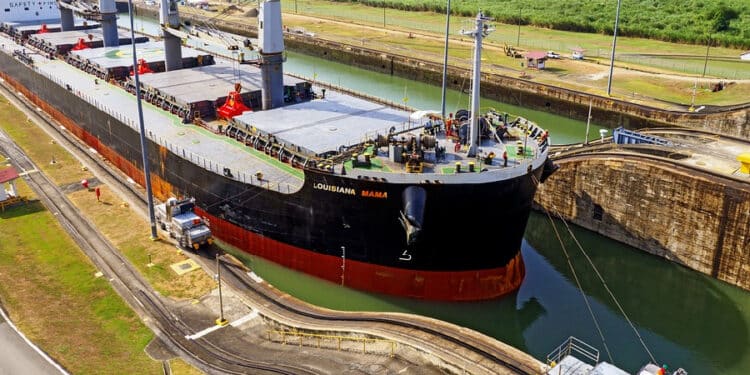
The global maritime industry received excellent news regarding the operational stability of Central America’s primary interoceanic waterway. Official reports confirm that the administration expects to avoid any new panama canal transit restrictions throughout 2026. This decision brings immense relief to international logistics corporations that heavily depend on predictable shipping schedules. Consequently, ocean carriers can plan their seasonal routes across the Isthmus without fearing sudden slot reductions or mandatory cargo weight limits.
Weakening El Niño Weather Phenomenon Stabilizes Operations
This optimistic operational outlook stems directly from changing meteorological conditions in the Pacific Ocean. The severe el nino weather phenomenon, which caused historic droughts in previous years, has drastically lost its strength. Therefore, the region is experiencing a return to regular tropical precipitation patterns.
Because this disruptive Pacific climate pattern is no longer threatening the local watershed, meteorologists predict steady environmental conditions for the upcoming months. As a result, international supply chains can operate smoothly without facing the severe bottlenecks that paralyzed global commerce in the recent past.
Gatun Lake Water Levels Recovering Quickly
The vital heart of the canal’s lock system relies entirely on adequate freshwater accumulation. Fortunately, current gatun lake water levels show a massive recovery due to sustained rainfall over the surrounding rainforest. This critical interoceanic lake water volume ensures that both the Panamax and Neopanamax locks can maintain their maximum structural capacity.
With the Gatun reservoir depth reaching optimal operational safety zones, the canal can easily guarantee a stable maximum draft of 44 feet. This structural stability prevents larger container vessels from having to offload fuel or cargo before entering the waterway.
Positive Panama Canal Authority Forecast Boosts Confidence
According to the latest panama canal authority forecast, the interoceanic route will comfortably handle between 34 and 36 vessel transits daily. This official canal administration prediction aims to restore absolute confidence among international maritime alliances.
By securing these normal traffic numbers, the waterway solidifies its position as an irreplaceable global maritime trade route. Ultimately, these proactive water management strategies and favorable weather patterns ensure that Panama remains the most efficient, reliable, and competitive worldwide oceanic trade corridor for international commerce.