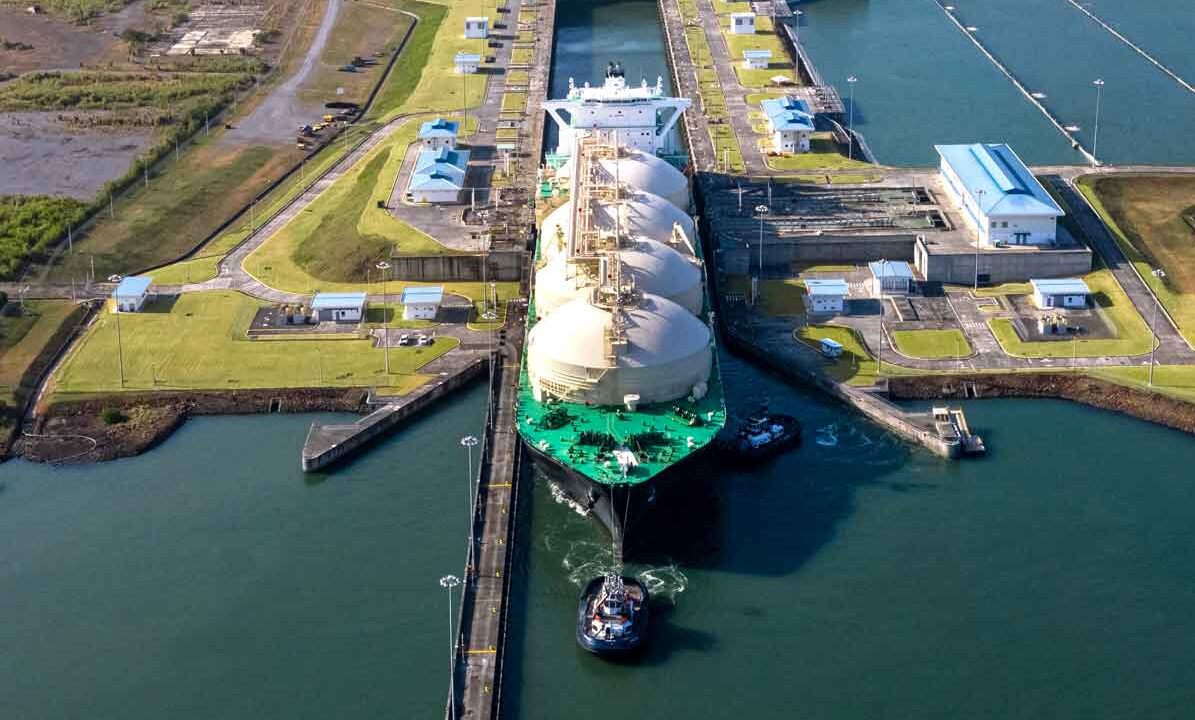
The global maritime landscape is shifting rapidly as the conflict in the Middle East disrupts traditional shipping lanes. Recent reports from the Panama Canal Authority (ACP) indicate a significant uptick in Panama Canal transit numbers. As the Strait of Hormuz faces blockades and the Suez Canal becomes less viable for certain carriers, the Panamanian waterway has emerged as a primary alternative. This surge in waterway crossings reflects a strategic pivot by global logistics firms seeking to avoid high-risk zones. Consequently, the canal is currently handling nearly 40 to 41 ships daily, far exceeding the previously budgeted 36 transits.
Benefits of the Interoceanic Passage for Global Trade
One of the main drivers behind the increased interoceanic passage demand is the rising cost of maritime fuel. Deputy Administrator Ilya Espino de Marotta noted that when fuel prices soar, the shorter distance offered by Panama becomes economically “attractive.” By choosing this maritime shortcut, shipping companies can significantly reduce their operational expenses and transit times. Furthermore, the canal ship traffic now includes a revitalized liquefied natural gas (LNG) segment. These tankers, which previously favored other routes, are returning to Panama to ensure the steady delivery of energy supplies to Asian and American markets.
Managing Increased Canal Ship Traffic and Infrastructure
Sustaining this high level of canal ship traffic requires precise operational management. While the current pace is roughly 10% above projections, the ACP is leveraging improved water levels to maintain these vessel transit volumes. This capacity for maritime route optimization is crucial for preventing bottlenecks that could hinder global commerce. Moreover, the increased revenue from these extra slots allows for further investment in waterway infrastructure. By prioritizing efficiency, Panama ensures that it remains the most reliable link in the global supply chain, even during periods of intense geopolitical volatility.
Future Outlook for Global Maritime Route Optimization
Looking forward, the long-term impact of these vessel transit volumes depends on the duration of the Middle Eastern crisis. If the instability persists, Panama may see a permanent shift in certain trade patterns. The focus on maritime route optimization will continue to be a top priority for the ACP as they balance demand with environmental sustainability. Because the interoceanic passage offers better economies of scale, it remains a pillar of stability for international trade. Ultimately, Panama’s ability to adapt to these global shocks solidifies its position as the indispensable heart of maritime logistics.