
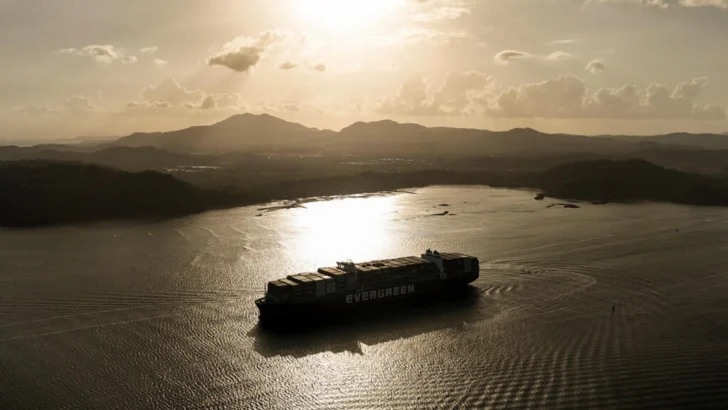
Recent geopolitical instability has drawn significant attention to the security of the world’s most critical waterways. As Strait of Hormuz tensions continue to escalate, the shipping industry is actively seeking safer corridors. In this climate, the Panama Canal advantage has become a central topic for international analysts. Because maritime safety is paramount, companies are re-evaluating their transit strategies to prioritize stability over proximity.
Adapting Global Trade Routes
The reliance on traditional waterways is currently being challenged by the unpredictability of international politics. Consequently, global trade routes are undergoing a major transformation. Shippers are increasingly looking for ways to bypass high-risk zones, leading to a surge in demand for the canal’s services. This shift demonstrates that the Panama Canal benefits extend far beyond simple geography; it serves as a reliable anchor for international commerce. By redirecting vessels, the industry aims to protect cargo and ensure timely deliveries, reinforcing the canal’s position as a crucial node in the world economy.
Enhancing Maritime Logistics Efficiency
Efficiency remains the driving force behind modern supply chain decisions. Achieving maritime logistics efficiency requires a delicate balance of cost, speed, and safety. The canal provides a streamlined solution for vessels traveling between the Atlantic and Pacific oceans. As operators focus on supply chain optimization, the canal’s infrastructure proves its value by offering consistent transit times. Furthermore, this strategic canal utility allows shipping lines to mitigate the risks associated with volatile maritime regions, proving that reliability is just as valuable as the shorter distance of traditional, yet currently insecure, routes.
Future Outlook for Alternative Shipping Paths
Looking forward, the industry is preparing for a new era of flexibility. The development of alternative shipping paths is essential to prevent future bottlenecks in global commerce. While the Strait of Hormuz remains a vital artery, the ability of the Panama Canal to absorb diverted traffic highlights the need for a diversified maritime strategy. Ultimately, the regional shipping dominance exhibited by Panama ensures that global trade continues to flow, even when traditional corridors face significant disruption. By investing in resilient infrastructure, the nation secures its status as an indispensable partner in global logistics.