Roughly 3 million years ago, a land mass arose from the ocean creating an isthmus connecting what is now North and South America. At the heart of that land bridge today is the country of Panama, which boasts greater bird diversity than any other Central American nation, but whose rainforests are being impacted by urbanization and cattle ranching, resulting in deforestation and drinking water contamination.
This combination of conflicting factors has attracted a variety of reforestation efforts, including forest restoration research that embrace agroecology and other sustainable silviculture methods, along with more economically lucrative forestry ventures that focus on the establishment of tree plantations — especially the growing of exotic teak. More…
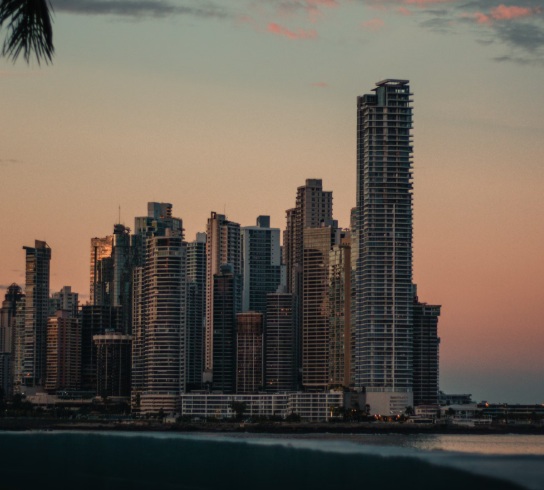


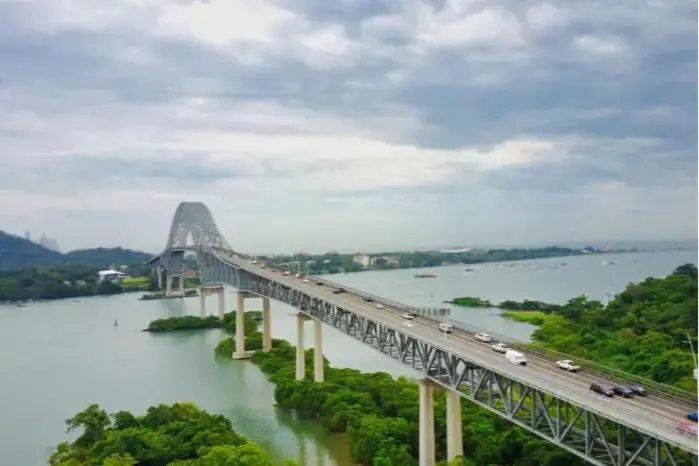
Panama needs to address the construction sand removal from the ocean that is creating massive underwater deserts where nothing lives and the beaches are disappearing. The whole oceans food chain is in the top layer of sand, all the micro organisums are depleated/killed and removed by dredging this sand.
The construction of hundreds of new townsites where the jungle was removed has the rivers and steams dumping huge amounts of sewerage and settiment that settles and covers the coral reefs and kills the coral. This has created dead oceans on both the Atlantic and Pacific sides of Panama.
These teak forest are also doing damage by the teak trees removing all the nutrients from the soil and nothing being returned. If one walks in a teak forest, you don’t see hardly any wildlife, birds, insects or other plant life. Nothing relies on the teak tree for substance. There should be other species of plants and trees planted among the teak trees to help support life.