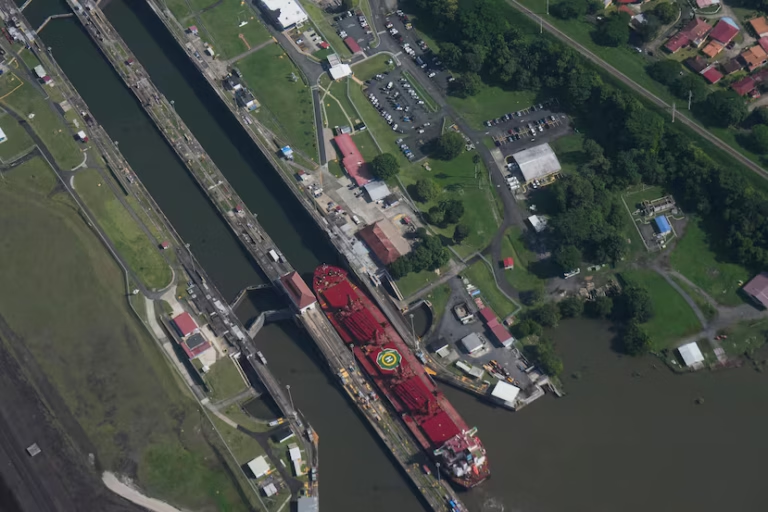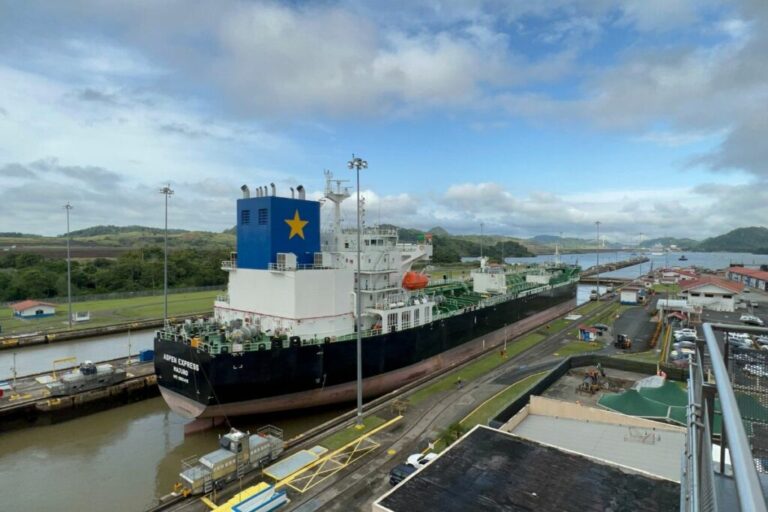
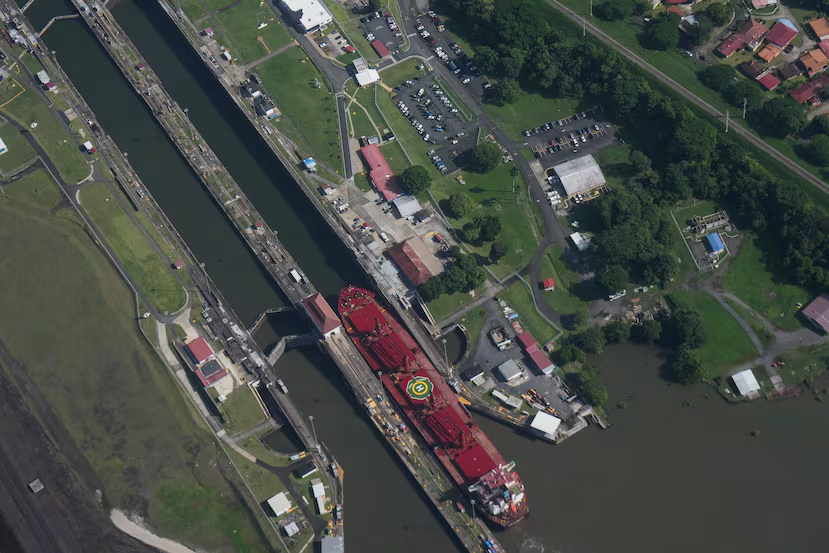
The Panama Canal Authority has officially imposed strict Panama Canal transit limits to safeguard critical freshwater supplies during an unprecedented dry spell. Because severe weather patterns continue to impact Central America, daily vessel passages have decreased significantly. Consequently, commercial shipping lines must adjust routes or face extended queue times outside the waterway. Furthermore, this emergency policy ensures that surrounding communities retain access to drinking water while essential maritime operations continue safely.
How Severe Drought Alters Maritime Traffic Reductions
Lake Gatun serves as the main reservoir for the interoceanic route, but rainfall has dropped to historical lows. Therefore, authority managers initiated strategic maritime traffic reductions to prevent complete reservoir depletion. In addition, lower water levels force cargo vessels to lighten their loads to maintain safe draft depths. As a result, carriers cannot move full container loads, which reduces total cargo throughput per transit.
Impact of El Niño Shipping Disruption on Supply Chains
The ongoing weather anomaly intensifies regional heat and delays the traditional rainy season. Because of this El Niño shipping disruption, international logistics experts warn of rising freight tariffs and widespread operational delays. Moreover, many ocean carriers are shifting cargo to alternative routes around Cape Horn or toward eastern ports. Nevertheless, these alternative routes require extra fuel, lengthen total transit schedules, and increase overall carbon emissions for global carriers.
Falling Gatun Lake Water Levels Threaten Canal Operations
Freshwater conservation remains the highest priority for Panama Canal administrators. Currently, depleted Gatun Lake water levels directly restrict the total weight and number of ships passing through the locks each day. In response, engineering teams are testing long-term water management solutions to catch seasonal rainwater efficiently. Meanwhile, shipping operators must adapt quickly to lower draft allowances and strict reservation quotas to avoid costly delays.
Preventing Global Trade Delays in Ocean Freight
Because this strategic bottleneck affects critical trade routes between Asia and the U.S. East Coast, businesses must prepare for persistent global trade delays. However, logistics directors can mitigate supply chain bottlenecks by diversifying transport options, using rail corridors, and scheduling shipments earlier. Ultimately, adaptive planning will help global supply networks survive persistent climate challenges and ongoing Panama shipping limits.