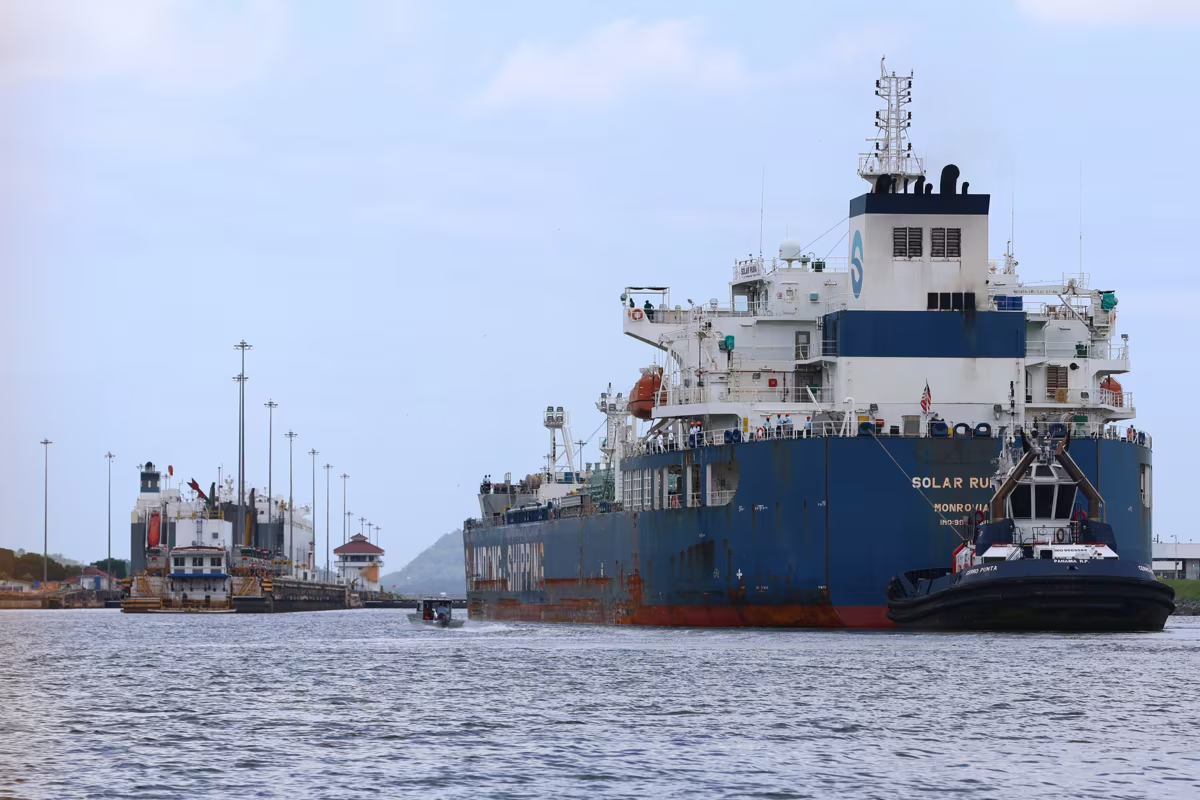
The maritime industry is preparing for major administrative updates as the interoceanic route addresses severe weather conditions. Recently, officials modified the Panama Canal booking system to give vessel operators greater operational flexibility. This measure was introduced right before new daily passage limits reduce overall capacity across the waterway. Consequently, shipping companies can secure slots more effectively, minimizing costly idle time at both entrances of the channel.
Adapting to Incoming Transit Restrictions
Maritime operators must prepare for tighter slot allocations as seasonal environmental changes impact water levels. In response, maritime passage constraints will force non-booked vessels to face extended wait times. However, the temporary adjustment in the Panama Canal reservation framework offers a crucial buffer for logistics planning. Therefore, carriers that adapt quickly to the updated schedule can avoid major schedule disruptions during this transitional period.
Navigating Ongoing Drought Disruption Challenges
The root cause of these emergency adjustments stems from prolonged atmospheric conditions in Central America. Unprecedented dry spell impacts have depleted the freshwater reservoirs that feed the locks daily. Because Gatun Lake requires massive water volumes for each operation, the administration must balance ecological conservation with commercial needs. Furthermore, mitigating these environmental risks remains essential to safeguard regional commerce and protect delicate supply chain ecosystems.
Preventing Severe Global Shipping Delays
Unplanned choke points along major ocean routes rapidly cascade into international economic pressure. Without proactive measures, unreserved vessels risk facing significant maritime supply disruptions at key transfer points. Fortunately, early reservation flexibilities allow international fleets to reroute or reschedule effectively. As a result, major commercial lines can protect seasonal inventory deliveries and reduce unexpected port surcharge expenses worldwide.
Strategies from the Panama Canal Authority
Managing a global trade bottleneck requires dynamic policy adjustments and constant monitoring. Modern measures implemented by ACP management demonstrate a commitment to clear communication with global fleets. By providing transparent updates, Panamanian waterway administrators help logistics companies make informed tactical decisions. Moving forward, continuous technological investments and adaptive scheduling will remain critical to ensuring stable interoceanic trade.