
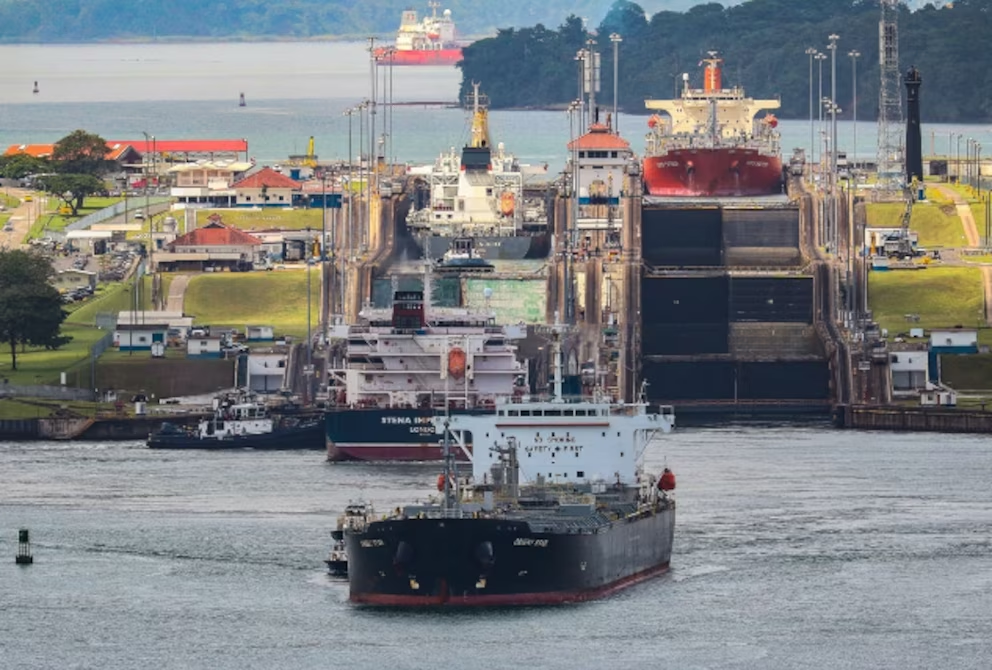
The Panama Canal Authority is taking decisive steps to modernize its operational frameworks. In response to shifting global demands, the administration recently modified its official guidelines for commercial operators. This critical update establishes the new Panama Canal Port Requirements to govern upcoming logistics investments near the interoceanic route.
Consequently, international consortia must carefully evaluate these parameters to secure operating rights. Furthermore, this dynamic administrative evolution ensures that the strategic waterway remains the most efficient hub for maritime trade in the Western Hemisphere.
Upgrading Frameworks for Maritime Terminal Concessions
A primary objective of this regulatory shift involves the allocation of maritime terminal concessions. Authorities are implementing strict corporate transparency checks and robust financial solvency proofs for all interested participants. Therefore, managing these harbor infrastructure franchises requires a deeper commitment to long-term regional development.
As trade volumes grow, the state seeks experienced partners capable of handling mega-ships efficiently. As a result, this administrative modernization filters out speculative bids, guaranteeing that only highly qualified global corporations manage vital dock areas. This systematic approach directly strengthens national security while boosting commercial performance across the board.
Elevating Global Logistics Standards in the Waterway
To maintain its competitive edge, the interoceanic route must continuously adapt to modern global logistics standards. The updated framework demands full compliance with advanced digital tracking mechanisms and automated cargo handling systems. By integrating these international supply chain benchmarks, local docks can dramatically reduce waiting times for transshipment vessels.
Every modern harbor must operate with absolute precision to avoid regional delays. Consequently, these strict operational mandates protect international shipping lines from unexpected administrative bottlenecks. Both international businesses and local authorities understand that faster processing speeds directly translate into lower transportation costs worldwide.
Strict Protocols for Port Operator Bidding
The revised document also introduces clear guidelines for the upcoming port operator bidding phases. Interested corporations must demonstrate extensive international experience and present robust risk-mitigation strategies. This transparent harbor tendering process ensures equal opportunities for all qualified global bidders.
Additionally, the selection criteria place a significant emphasis on developing sustainable maritime infrastructure. Future investors must include eco-friendly waste management solutions and shore-power capabilities for docked vessels. By prioritizing green shipping facilities, the administration successfully aligns its commercial growth with urgent global environmental objectives. Ultimately, these comprehensive measures guarantee that the trade route remains both economically viable and ecologically responsible for future generations.