
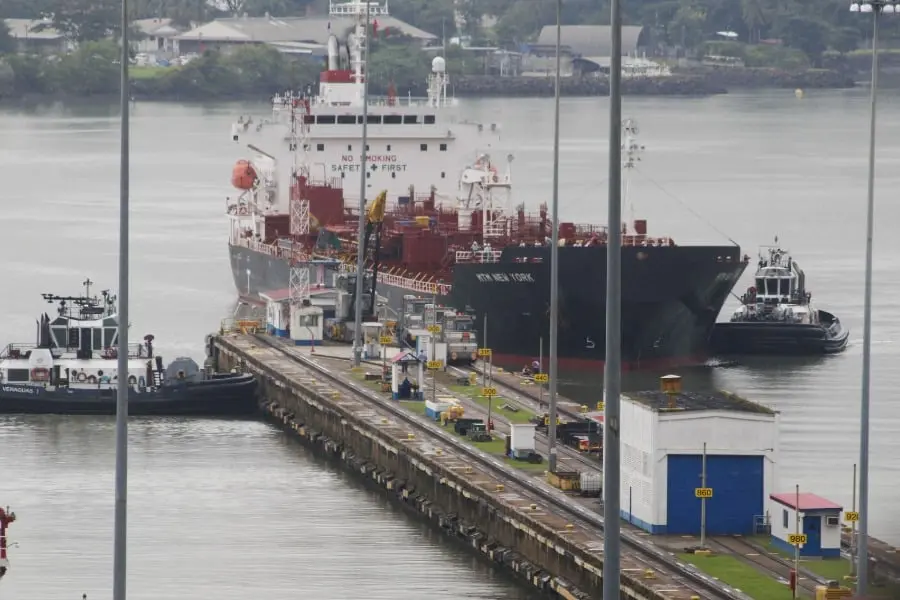
The interoceanic shipping route through Panama celebrates 112 years of operation this August. Since transferring to Panamanian administration in 1999, the waterway has maintained global maritime trade with efficiency. However, modern environmental pressures and changing trade flows now require bold economic commitments. Therefore, canal authorities are advancing an ambitious $8.5 billion Panama Canal investment plan to future-proof operations for the next century.
Upkeep Costs for the Interoceanic Shipping Route
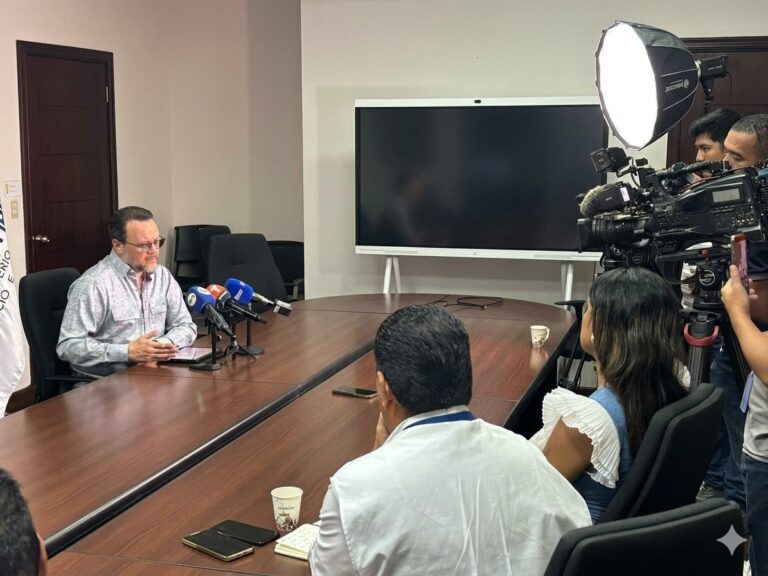
Maintaining a 112-year-old maritime trade corridor demands substantial capital. Currently, the waterway allocates an annual Panama Canal maintenance budget of $600 million. Out of this total, technical teams dedicate over $100 million specifically to lock structures. Miguel Lorenzo, Vice President of Infrastructure and Engineering, emphasizes that engineering precision remains top priority. Proper lock maintenance costs protect structural integrity so cargo vessels move without delay.
In addition, global trade shifts highlight the vital position of this transoceanic transit route. Recent geopolitical tensions in the Middle East doubled daily tanker traffic through the canal. Because the canal carries 3% to 5% of global maritime commerce, continuous annual infrastructure upkeep keeps supply chains running smoothly across continents.
Freshwater Preservation Projects and Climate Resilience
Climate disruptions pose the greatest modern challenge to the canal. Severe drought cycles from the El Niño phenomenon directly threaten reservoir levels. Because the locks rely entirely on fresh water, securing water sources is the central focus of the Panama Canal infrastructure funding. Moreover, these same lakes supply drinking water to half of Panama’s population.
To mitigate drought risks, the authority prioritizes major freshwater preservation projects. Engineers are designing new reservoirs, water treatment facilities, and intake systems under the expanded budget. Consequently, these robust water security strategy initiatives safeguard both local communities and international shipping lines during prolonged dry seasons.
Expanding the Global Maritime Logistics Hub
Beyond water security, the $8.5 billion panama waterway expansion budget aims to diversify income streams. Canal leadership seeks to build a comprehensive global maritime logistics hub through energy and port infrastructure. Planned projects include a pipeline energy corridor and two major port terminals along the canal entrance.
Naturally, engineering teams carefully analyze operational safety before breaking ground. Technical planners evaluate every physical interface between port traffic and vessel transit. Likewise, safety protocols for chemical pipeline transit remain strict. By expanding into green energy, port handling, and regional distribution, Panama strengthens its status as an international shipping center while securing revenues beyond simple vessel tolls.
It would be nice to know just what is going to happen apart from all the beneficial theories behind the scheme. Are they digging the canal or running an underground pipe or what?. where does it start? How long will it take?
Collecting and transporting the rainwater that falls outside of the canal watershed area would be an immense help for replenishing the fresh water supply. Collection of the runoff from the roofs of large buildings and parking areas would add millions of gallons of fresh water to the canal system. Even a collection from individual houses if a collection system could be initiated would be an opportunity to use rainwater that’s wasted every rainy season. How many gallons of water falls every year flows to the ocean—- wasted ?
Tom Bot above is quite right. After reading the article, I didn’t learn much new. There is a water shortage problem. We understand that but what if anything does someone plan to do?
Thanks for all you do.
Pelón