
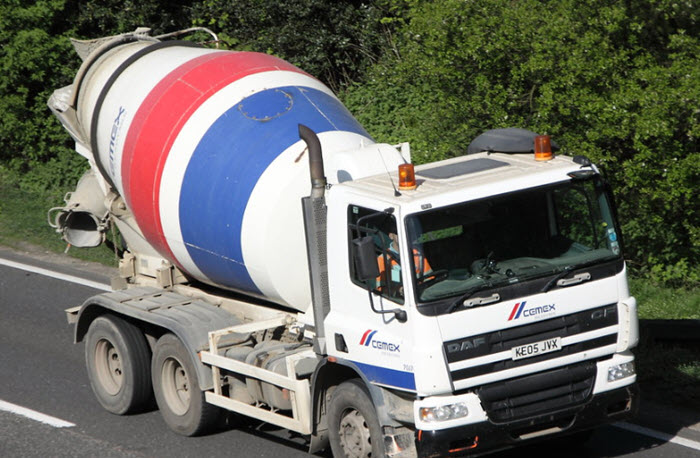
In Panama, the import of cement and the depressed activity of the construction sector explain the fall in the production of concrete and cement in the first half of the year.
According to data from the General Comptroller of the Republic, between the first six months of 2018 and the same period of 2019, the total cost of construction went from $662 million to $510 million, which is equivalent to a fall of 23%. This decline in the sector has been recorded for years.
You may be interested in “Construction: Next Investments in Central America”
In this context of declining construction, ready-mix production has also fallen. Figures show that from January to June of this year concrete production reached 614,210 cubic meters and cement production 749,235 metric tons, which is equivalent to a 10% and 12% drop with respect to the first half of 2018, respectively.
Prensa.com reports that “… Jose Luis Gonzalez, director of Cemex, a company that in 2017 inaugurated an additive plant with an investment of $15 million dollars, commented that the completion of infrastructure projects such as Line 2 of the Metro and the third bridge over the Panama Canal, added to the brake on private construction, have impacted the demand for concrete, cement and other construction-related products.”
Harry Abuchaibe, manager of Argos Panama, explained that “… Faced with a declining local market and growing imports, we evidently noticed an impact on local industry because of asymmetries in quality standards, sustainability and legal compliance. Local producers are prepared to meet the national demand at competitive prices, and, most importantly, generating decent and quality employment and tax benefits.”
According to reports from CentralAmericaData, between 2017 and 2018 imports of hydraulic cement in Panama practically doubled, from $6.1 million to $12.8 million.



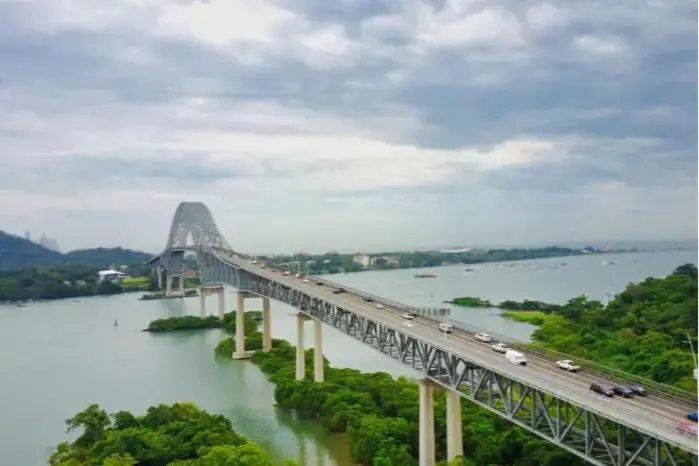
No doubt that “construction” in Panama has declined. The numbers show a 10% decline from last year which is adding to the significant declines of the previous 2-3 years. Obviously completion of the major infrastructure projects like the Metro and Third Bridge and other “solid concrete” infrastructure projects reduced cement demand. However, sweeping changes in construction techniques may have played a bigger role in cement sales than the actual decline in the construction of homes and or commercial centers. High end condo and house sales are way off and construction of that those are almost non existent but apparently smaller houses and apartments are still selling. Commercial centers (both retail and office space) are still being built all over the country. Of course, unlike 10-15 years ago when everything was block and concrete, now you see mostly steel and foam in most of the commercial buildings. I have noticed in many of them they are not even using the cement stucco foam but foam sandwiched between two galvanized and coated metal sheets. In this type of construction the only concrete used is in the foundation and floor. Concrete sales are off but the decline in construction itself is likely not the only factor. Could it be that the significant increases in cement prices over the last few years has driven the changes in building techniques? Better put, if the increases in cement costs were due to increased demand should we expect see reductions due to the lack of demand?