
The geopolitical landscape of the Greater Caribbean is undergoing a profound transformation, necessitating a robust Caribbean Security Architecture. As illicit economies and authoritarian regimes threaten regional stability, Panama must reassess its position. While neighboring democracies strengthen their ties with international partners, Panama remains at a crossroads. Establishing a modern regional defense framework is no longer optional; it is a requirement for maintaining peace and the rule of law in the hemisphere.
Strategic Cooperation Against Transnational Crime
To effectively dismantle transnational crime, Panama requires deep strategic cooperation with global allies. These organized crime networks do not respect borders, making isolated national efforts insufficient. By fostering a military-police partnership, Panama can better intercept drug trafficking and human smuggling operations. Furthermore, participating in a joint defense alliance allows for shared intelligence, which is vital for staying ahead of sophisticated cross-border illicit activities.
Ensuring Panama Canal Protection and Neutrality
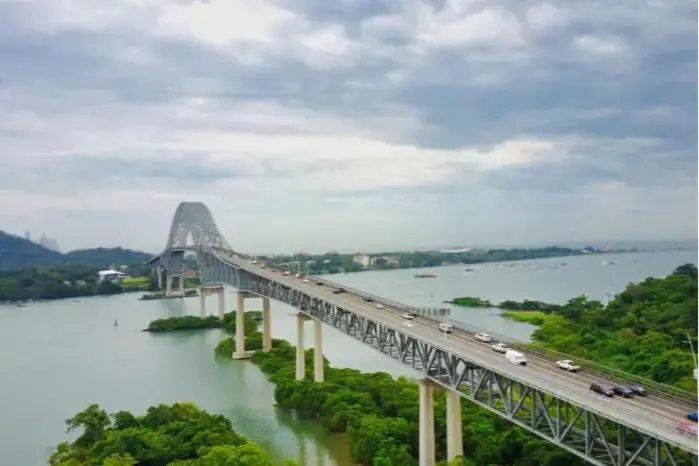
The core of Panama’s national interest remains Panama Canal protection. This interoceanic waterway defense is crucial not just for local commerce but for global trade stability. The Permanent Neutrality Treaty provides a legal basis for Canal safeguarding, ensuring the path remains open to all nations. However, neutrality should not be mistaken for inaction. To prevent hostiles from threatening the waterway, Panama must leverage its maritime security coordination to deter hybrid threats and external geopolitical expansion.
Mature Sovereignty in a Modern World
The concept of mature sovereignty is central to this transition. Some critics argue that international agreements diminish autonomous state authority, but the reality is the opposite. When a nation uses its independent diplomatic power to form alliances, it is exercising its right to self-defense. Panama can define the limits of this regional defense framework, ensuring that any access to its ports or airfields remains temporary and transparent. Ultimately, a strong Caribbean safety structure protects the nation’s future while honoring its history of independence.