
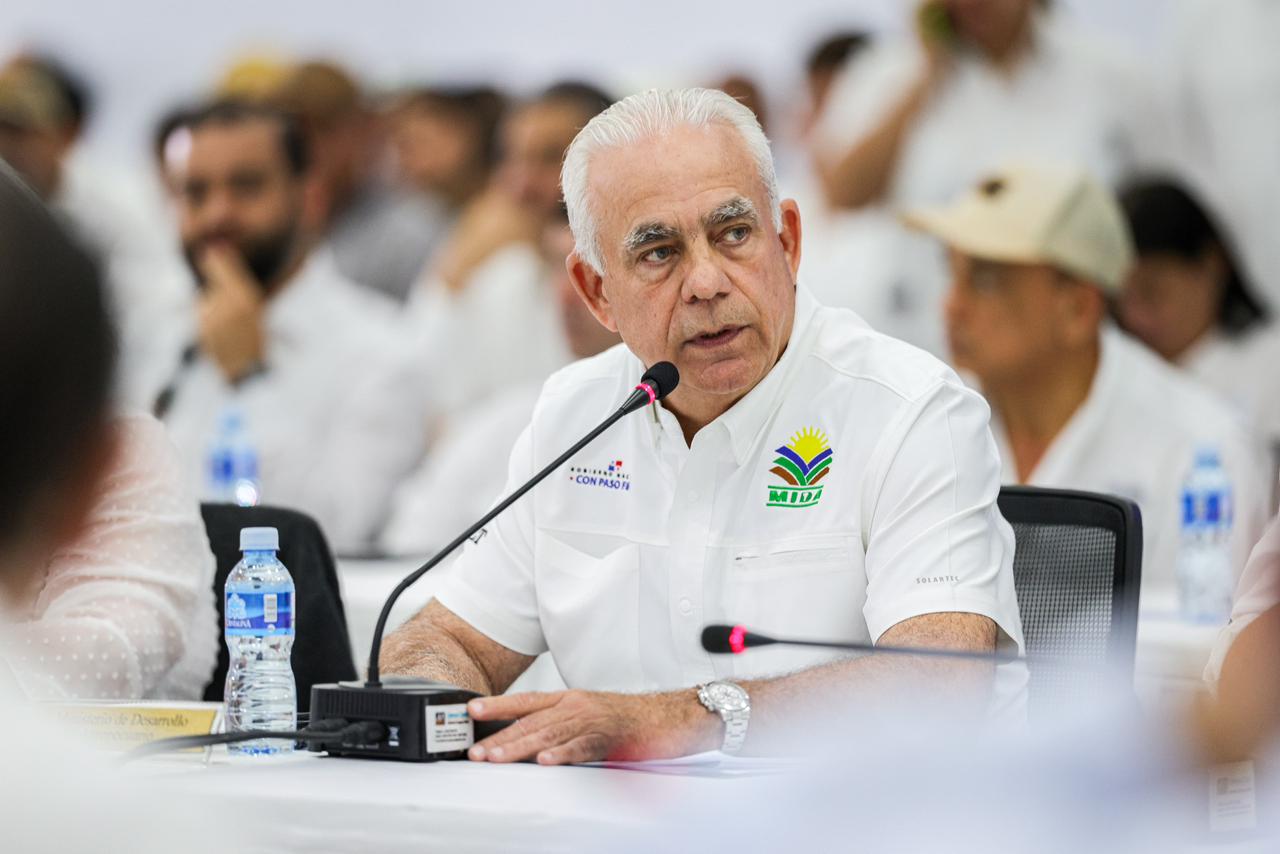
The National Government of Panama continues to strengthen rural economies across the country. Through the Ministry of Agricultural Development (MIDA), the administration recently launched targeted initiatives to expand agricultural production in Eastern Panama. Consequently, these efforts aim to enhance local crop yields, support rural families, and secure the national food supply.
Expanding Panamanian Agricultural Development Through Technical Aid
Field experts from MIDA are currently providing specialized equipment, certified seeds, and direct training to local producers. Through these initiatives, Panamanian agricultural development receives a significant boost in key farming zones such as Chepo and surrounding areas.
According to agricultural authorities, modernizing field operations allows small and medium-scale producers to maximize their daily yield. Moreover, technicians conduct regular field visits to monitor soil health and crop progress. Therefore, local growers can adopt efficient cultivation strategies that mitigate weather risks and reduce crop loss during harvesting seasons.
Promoting Sustainable Farming Practices and Infrastructure Growth
A central objective of this regional program involves teaching sustainable farming practices to local communities. MIDA specialists guide farmers on responsible water management, organic soil enrichment, and modern pest controls.
Furthermore, integrating eco-friendly agriculture helps protect regional biodiversity while maintaining high harvest quality. By combining MIDA technical support with ecological methods, producers build resilience against changing climate conditions. As a result, farms in eastern districts achieve higher economic returns while preserving vital natural resources for future generations.
Strengthening National Food Security Across Regional Markets
Direct investments in local food systems help lower national dependence on imported goods. By prioritizing crop production in Panama East, the government ensures a steady supply of essential grains, vegetables, and livestock to urban markets.
Ultimately, supporting rural producers creates sustainable employment and stabilizes market prices nationwide. Through continuous institutional assistance, Panama reinforces its national food security while driving lasting economic growth across its agricultural sectors.