

It is not hard to figure out what helped build Panama, just look north to Miami where I can remember the days of Miami Vice scenes where the limo pulls up to the bank and several guys unload dufflebags and walk into the bank. That was before the $10,000 reporting limit for cash deposits.
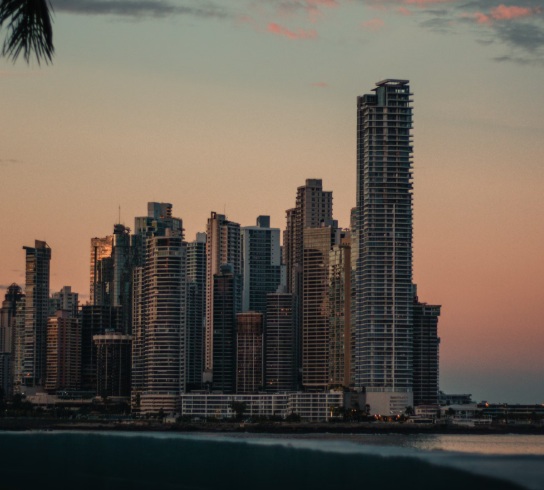
The movement of illicit capital in Costa Rica and Panama counts for more than 10% of their respective GDP, meaning that its removal would be a major blow to their economies. The drug flow is north to the US and the money flow is south. It gets washed and dried and then invested in luxury items, businesses and yes good ole real estate.
Editorial
The report entitled “Illicit Financial Flows from Developing Countries: 2001-2010” by Global Financial Integrity, reveals that during the first 10 years of the new century, the flow of illicit money in Costa Rica amounted to $64 billion, while in Panama the total was $40 billion.
As an example, illegal capital flows from 2001 to 2010 in Mexico totaled $476 billion. Just comparing the size of its economy with those of Costa Rica and Panama is enough to see how in the latter two countries the importance of illicit capital flow is excessive. With less intensity, this is situation is replicated in other Central American countries.
An article in Estrategiaynegocios.net explores this phenomenon and its impact on the countries of Central America, who, little by little, are becoming narco-economies.
Here is the executive summary of the report
Source: Estrategia & Negocios
One has to remember while the words drugs are often used in the title Illicit financial flow the actually definition is any money that has not paid tax (primarily US tax). Which is the real beef the US has with it. Legalize drugs (beyond just ones dealt out by pharmaceutical companies) and that would solve or get rid of the “drug money” from the “illicit funds” but would not solve the tax problem that the US has and is the reason they do not do that. They could no longer say the drug word and would have to say the truth. “Untaxed funds from cash transactions” and it is more difficult to get people to support laws that stop the illegal transfer of untaxed funds. Really people should be more honest when writing about these issues. Which also makes it clear it is the “transfer” of the funds out of the US that is the problem the US has. They do not have a problem if the money stays in the US and gets taxed and used in the US economy.