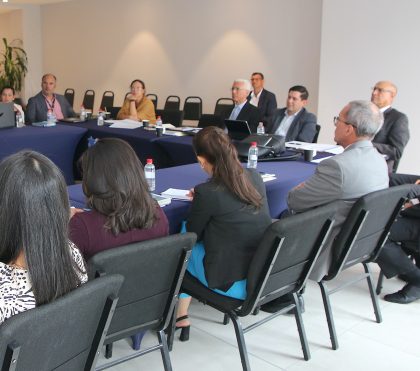
The Panama Maritime Authority (AMP) has officially launched the first phase of renewing the country’s comprehensive national maritime policy. Supported technically and financially by the Inter-American Development Bank (IDB), this initiative updates the Panama national maritime strategy to tackle evolving global trade dynamics, geopolitical shifts, and emerging technological demands across the maritime sector.
Because the global shipping landscape has transformed rapidly since the previous framework was instituted, government officials emphasized that a modernized roadmap is crucial. Consequently, this initiative brings together key leaders from the private sector, maritime associations, academia, and civil society to construct a unified policy for sustainable growth.
+-------------------------------------------------------------------------------+
|                       PANAMA MARITIME RENEWAL FRAMEWORK                       |
+-------------------------------------------------------------------------------+
|                                                                               |
|   [ Public Agency: AMP ]     +     [ IDB Technical Support ]                  |
|                               |                                               |
|                               v                                               |
|         [ Inter-Institutional Maritime Council (COIN) ]                       |
|                                                                               |
+-------------------------------------------------------------------------------+
                                       |
                                       v
                    [ KEY STRATEGIC RENEWAL PILLARS ]
     1. Supply Chain Resilience & Geopolitical Risk Mitigation
     2. Port Infrastructure Expansion & Digital Modernization
     3. Auxiliary Maritime Services & Vessel Registry Enhancements
Promoting Maritime Sector Modernization and Trade Competitiveness
The primary objective of this public initiative centers on accelerating maritime sector modernization across all port operations, auxiliary services, and vessel registration systems. By establishing streamlined digital workflows and upgrading physical infrastructure, Panama aims to solidify its longstanding position as a premier global logistics hub connecting American, European, and Asian shipping routes.
Furthermore, Administrator Luis Roquebert highlighted that updating national policies directly protects Panama’s merchant marine registry, which remains among the largest flag state registries worldwide. Therefore, continuous structural improvements will ensure high safety standards and administrative efficiency for international fleet owners.
   STRATEGIC POLICY              OPERATIONAL MODERNIZATION           GLOBAL LEADERSHIP
+----------------------+     +----------------------------+     +------------------------+
| Panama National      | --> | - Port Infrastructure      | --> | Preferred Global       |
| Maritime Strategy    |     | - Vessel Registry Upgrades |     | Shipping Route         |
| IDB Roadmap (EMN)    |     | - Digital Customs Triage   |     | Top Logistics Hub      |
+----------------------+     +----------------------------+     +------------------------+
Strengthening Maritime Supply Chain Resilience Against Global Disruptions
In addition to boosting port capacity, the updated policy focuses on strengthening maritime supply chain resilience during periods of international market volatility. Recent global events have highlighted severe vulnerabilities in maritime transit routes. Thus, Panamanian authorities are prioritizing risk management protocols, coastal ordering, and environmental sustainability within the new framework.
+-----------------------------------------------------------------------+
|                SUPPLY CHAIN ASSESSMENT & ACTION FLOW                  |
+-----------------------------------------------------------------------+
|  AMP and Private Stakeholders Conduct Global Risk Triage              |
+-----------------------------------------------------------------------+
                                   |
       +---------------------------+---------------------------+
       |                           |                           |
       v                           v                           v
[ Geopolitical Shifting ]   [ Climate & Water Triage ]  [ Capacity Constraints ]
       |                           |                           |
       v                           v                           v
Adapt port routing and     Implement sustainable       Expand container terminals
auxiliary services         water conservation          and landward logistics
During the consultation phase, working groups will evaluate geopolitical impacts on international trade lanes, water management solutions for canal transit, and green energy integration for port facilities. Because maritime commerce demands high reliability, establishing sustainable practices will keep Panama ahead of competing regional trade corridors.
Collaborative Governance via the Panama Maritime Authority
To ensure long-term execution, the project reactivates institutional mechanisms such as the Inter-Institutional Maritime Council. Under the leadership of the Panama Maritime Authority, this cross-sector council coordinates policy implementation between state ministries, port operators, and commercial logistics firms.
Ultimately, this strategic initiative ensures that national maritime assets translate into sustainable economic development. By converting geographic advantages into coordinated state action, Panama safeguards its leadership in international shipping for decades to come.