
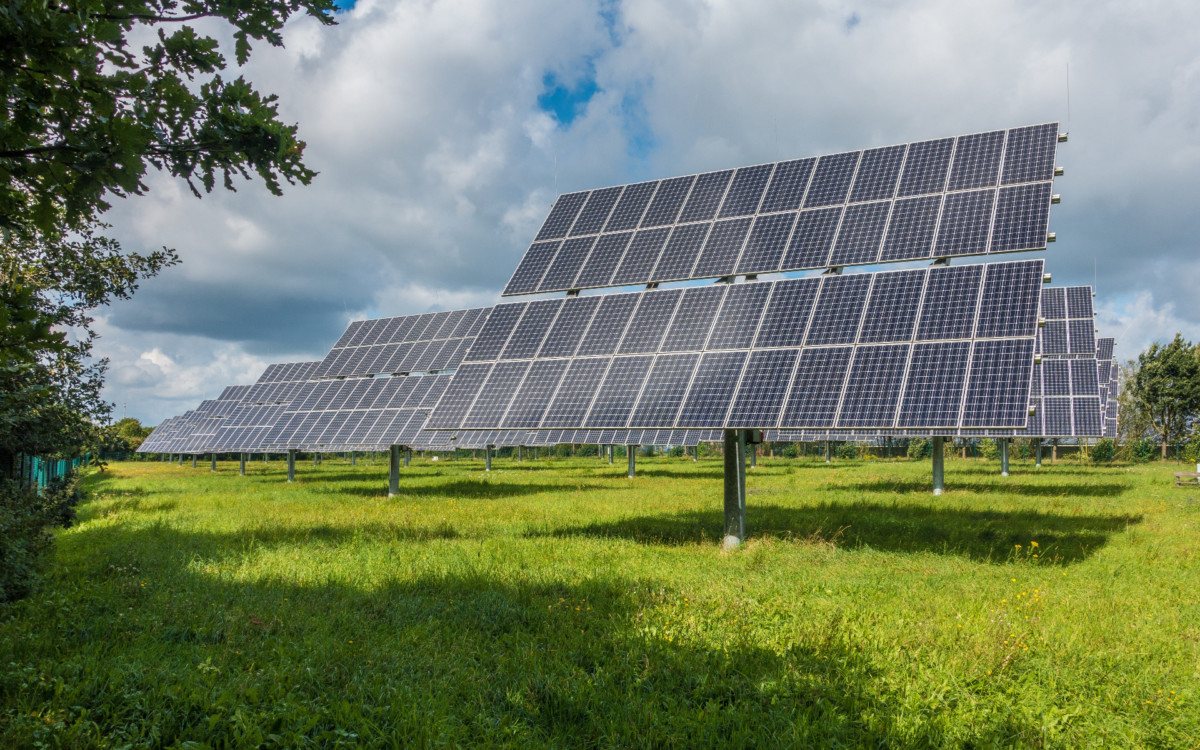
A company headquartered in Panama, MASPV, has officially secured a major contract to develop the largest solar-plus-storage complex in Central America. This ambitious hybrid renewable energy facility will be situated in the department of Zacapa, Guatemala. The project marks a significant milestone in regional power infrastructure by combining large-scale photovoltaic generation with advanced energy reserve systems. As countries in the region seek more stable electricity solutions, this initiative demonstrates how innovative technology can successfully integrate renewable sources into national grids.
Technical Excellence in Sustainable Power Development
The technical design of this renewable energy project goes beyond standard solar arrays. By integrating 130 MWp of solar capacity with 100 MWh of battery storage capacity, the facility can provide reliable power even during peak demand periods when sunlight is unavailable. This capability ensures that the plant remains a competitive force against traditional energy sources. Engineers emphasize that the strategic use of battery storage capacity is essential for maintaining grid stability, effectively positioning this site as a leader for future Central America energy projects.
Impact on Regional Power Infrastructure
The development follows a successful participation in the PEG-5-2025 auction, which is recognized as one of the most significant energy supply processes in Guatemala’s history. By investing over $100 million, MASPV aims to provide a robust supply for final distribution users. The solar power plant is expected to function as a vital component of the national grid, offering cleaner electricity and reducing the reliance on volatile fossil fuel markets. This move highlights how companies with a base in Panama are increasingly driving large-scale infrastructure changes across the entire region.
Future Perspectives for Renewable Energy Projects
Looking ahead, the construction of this hybrid renewable energy facility serves as a benchmark for the industry. It proves that with the right combination of technology and vision, renewable energy projects can meet the high technical requirements of modern power grids. As the project progresses, it will likely inspire further investments in sustainable power development. Ultimately, the work led by this Panama-based firm underscores the potential for Central America energy to transition toward a more resilient and environmentally conscious future.