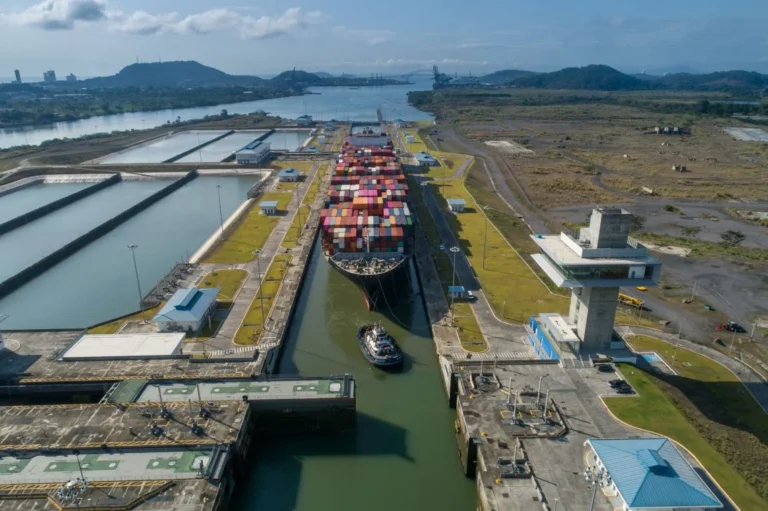
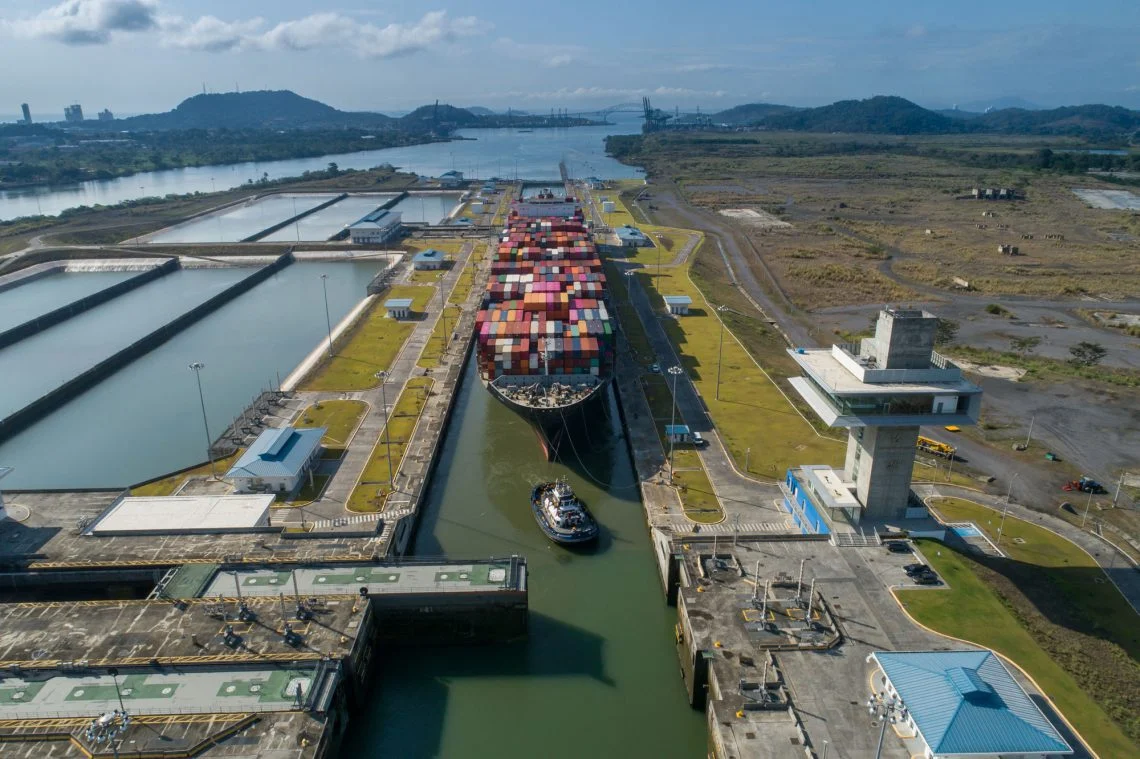
The Panama Canal Authority expects its total income to exceed the initial five point two billion dollar projection for fiscal year 2026. This financial boost comes as a direct consequence of the unexpected Hormuz Strait closure, which forced international maritime operators to reroute their fleets. Because ocean carriers sought safer paths, the Central American interoceanic waterway earnings experienced a major upward trend. Rising traffic numbers and massive premium auction bids from operators eager to bypass scheduling delays significantly expanded canal financial returns during this unexpected period of global realignment.
How the Hormuz Strait closure reshaped global shipping traffic
The recent Middle East waterway shutdown altered traditional maritime cargo flows across multiple continents. During the absolute peak of the maritime passage blockage, daily vessel transits climbed to over forty ships per day, well above the typical average of thirty-four crossings. Consequently, international vessel transits found a reliable alternative in Panama. This sudden realignment demonstrates how regional instability instantly shifts global shipping traffic toward more secure trade corridors, ensuring that vital supplies continue to move between western producers and eastern consumer markets without extended delays.
Why liquefied natural gas tankers chose the panamanian route
Energy markets felt the immediate impact of these maritime disruptions, causing a notable shift in how resources move across the globe. Asian buyers in Japan, China, and South Korea quickly turned away from Middle East producers and increased their dependence on United States energy exporters. Therefore, liquefied natural gas tankers began utilizing the canal at a steady pace of one vessel per day. These massive LNG vessels and methane carriers chose the American path to guarantee delivery timelines, which heavily supported the surging canal financial returns throughout June and July.
Long term planning and future maritime transit forecast
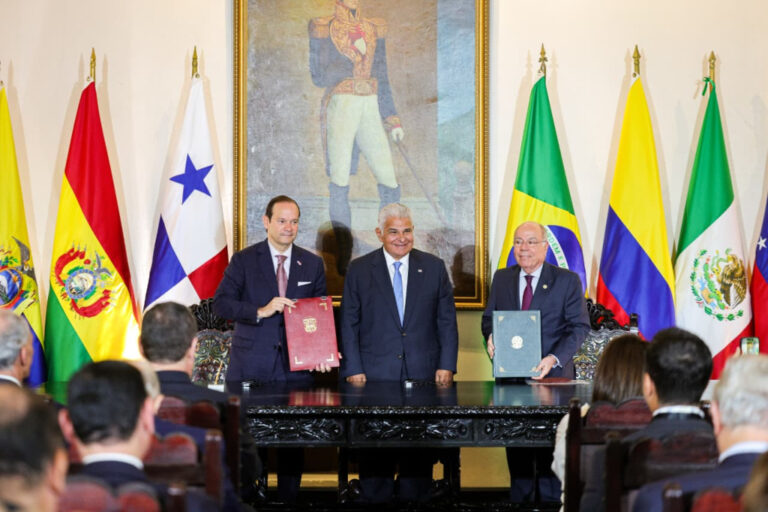
Despite the recent normalization of trade routes, the shipping volume predictions for the rest of the fiscal year remain highly favorable. The incoming administrator, Ilya Espino de Marotta, confirmed that the current canal passage estimates will remain strong due to advanced bookings. To sustain this momentum, the authority is planning an ambitious eight point five billion dollar strategic expansion. This project includes building a new reservoir, developing two advanced port terminals, and constructing an LPG pipeline, ensuring that future maritime transit forecast models show steady growth and improved infrastructure resilience for the next decade.