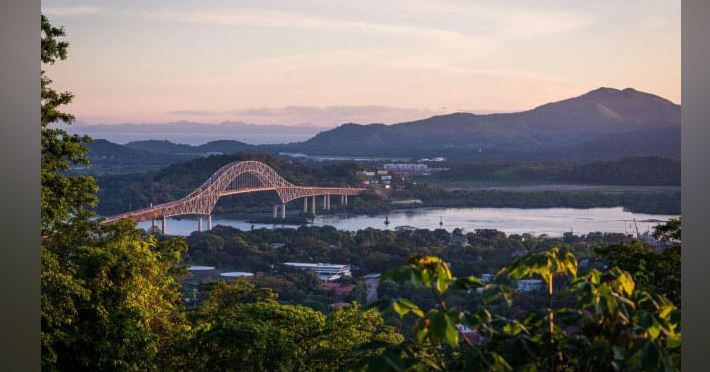
A startling transformation is occurring beneath the surface of the world’s most famous waterway. Scientists from the Smithsonian Tropical Research Institute have documented a massive shift in Panama Canal fish populations following the 2016 Neo-Panamax expansion. This biological disruption has turned a once-thriving freshwater sanctuary into a corridor for non-native organisms from both the Atlantic and Pacific oceans. Consequently, the delicate balance of Gatun Lake species is now under threat as saline water continues to alter the habitat.
Saltwater Intrusion and Environmental Consequences
The primary driver of this change is saltwater intrusion. When the larger locks were constructed, the increased volume of saline seepage allowed ocean water to infiltrate the freshwater reservoir of Gatun Lake. This ocean water infiltration has created a brackish environment where Panamanian marine fauna can now survive and compete with local varieties. Because the lake serves as a bridge between two oceans, the environmental consequences extend beyond the water, affecting the entire regional food web.
The Vanishing Catch for Local Fishermen
Interviews with local fishermen have provided anecdotal evidence that aligns perfectly with the scientific data. These artisanal anglers report a drastic decline in traditional freshwater catches, such as peacock bass and tilapia. Instead, their nets are increasingly filled with predatory invaders like snooks, tarpon, and jacks. Recent data suggests that marine species now account for an incredible 76% of the lake’s total biomass. This shift forces community fishers to adapt their techniques or face dwindling economic returns as the Canal aquatic life continues to change.
Risks of Interoceanic Biological Disruption
The presence of these invasive species poses a broader risk than just local economic loss. There is now a high probability of “interoceanic invasions,” where species from one ocean cross the lake to inhabit the other. Such non-native organisms could cause permanent biological disruption in coastal ecosystems thousands of miles away. Therefore, researchers emphasize the need for new mitigation strategies to control saline seepage. Unless the Panama Canal fish migration is managed, the “running out” of native species may become an irreversible reality for the region.
About the Author