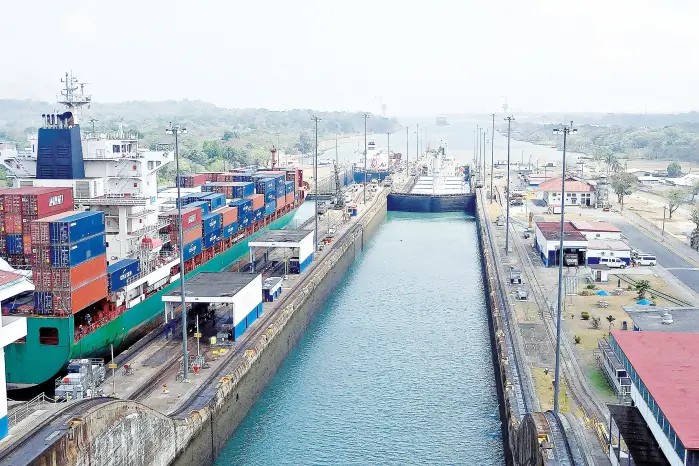
The interoceanic waterway is undergoing a historic environmental transformation to combat global climate change. Through an ambitious technical framework, authorities officially launched the Panama Canal decarbonization roadmap to achieve carbon neutrality by 2050. This green shipping corridor strategy aims to transform how commercial fleets navigate across Central America. Consequently, the local administration is developing clear operational guidelines to incentivize shipping lines that utilize alternative fuels. This strategic milestone ensures that the shortcut between the oceans remains both competitive and deeply committed to ecological preservation.
Furthermore, this sweeping maritime sustainability plan requires extensive international collaboration to succeed on a global scale. Local authorities cannot execute these massive structural modifications in complete isolation. Therefore, the administration is partnering with global regulatory bodies to ensure that all upcoming changes match international maritime safety protocols perfectly. This collective approach secures a seamless operational transition for thousands of multinational logistics firms that rely daily on the canal.
Securing European Union Climate Support for Maritime Emission Reduction
A primary pillar of this environmental project is the substantial European Union climate support granted to the nation. This critical EU environmental backing brings together elite engineering experts, specialized scientific researchers, and advanced technological resource networks. By working closely with European maritime hubs, the canal authority accelerates its primary maritime emission reduction initiatives. These joint studies analyze how to optimize water use while cutting down the electricity demands of the locks. Because of this targeted financial and technical assistance, the path toward achieving strict carbon reduction goals becomes highly achievable.
Additionally, the collaboration helps establish new international benchmarks for measuring greenhouse gases in transit zones. Data centers will track individual vessel footprints during their entire transit journey through the interoceanic route. This precise monitoring enables authorities to reward highly efficient ships with priority scheduling or reduced structural tariffs. As a result, the maritime industry receives a direct financial incentive to modernize its existing fleets immediately.
Transforming the Global Shipping Industry Transition via Green Infrastructure Investments
The sweeping ecological updates are driving a profound global shipping industry transition toward cleaner operating models. As the canal tightens its environmental rules, it forces an international maritime transportation upgrade across all continents. Shipping lines are rapidly constructing dual-fuel vessels to ensure they can comply with these strict new regional regulations. Consequently, this local initiative exerts a powerful ripple effect that modernizes supply chains thousands of miles away from Latin American shores.
Finally, the success of this transition rests on aggressive green infrastructure investments inside the port terminals. The canal authority plans to deploy extensive solar energy arrays and shore-power facilities where docked ships can plug into the local clean grid. These massive sustainable port development funding initiatives ensure that vessels do not need to burn fuel while waiting for their scheduled transit. By blending advanced engineering with global climate goals, the canal secures its position as a sustainable leader in international trade.
About the Author