The recent fuel price hike is currently creating a significant ripple effect across the Panamanian economy. This week, citizens woke up to higher costs at the pump, which immediately began to influence several essential sectors. From logistics to the dinner table, the gasoline cost increase is a growing concern for every household in the country. Consequently, various industries are now forced to re-evaluate their operational budgets to survive these new market conditions.
Rising Panama Freight Charges and Logistics
One of the most immediate consequences of this situation is the surge in Panama freight charges. Transporting goods from agricultural hubs like Chiriquí and Bocas del Toro has become considerably more expensive. Since trucks require more investment to cover long distances, shipping rates in Panama have adjusted upwards. This logistical pressure does not only affect industrial providers but also small-scale producers who depend on daily transit. Therefore, many experts believe that without government intervention, these costs will continue to climb.
Impact on Merca Panama Food Prices
When transportation becomes expensive, the products being moved follow the same trend. Currently, Merca Panama food prices are showing signs of volatility due to the rising overhead of delivery trucks. Consumers visiting the market have noticed that agricultural produce costs are fluctuating more than usual. Traders explain that they must pass some of these expenses to the final buyer to maintain their business viability. Because of this, the average family’s grocery bill is expected to see a noticeable change in the coming weeks.
Public Transport Fares and Commuter Concerns
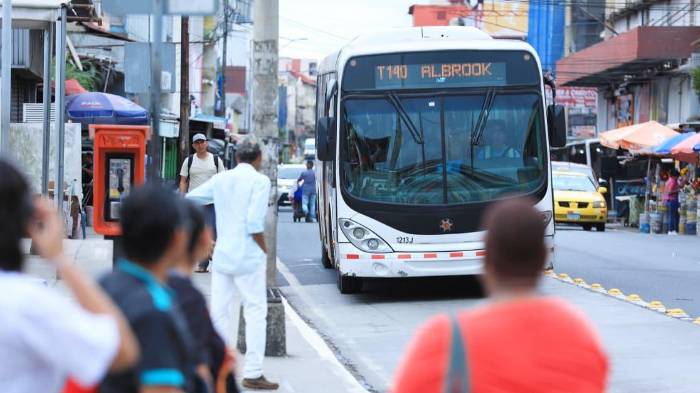
The transport sector is perhaps the most vocal regarding the economic impact in Panama. Drivers in areas like Arraiján and La Chorrera have already suggested a potential rise in public transport fares. Although the authorities (ATTT) have not officially authorized new bus ticket prices, the pressure from the unions is intense. While some routes maintain their rates, others are struggling to keep up with the gasoline cost increase. Furthermore, the financial consequences for Panama include potential changes in Metrobus schedules as the operator, Mi Bus, tries to optimize its fuel consumption.
Monitoring the Financial Consequences for Panama
To protect consumers, agencies like Acodeco are now inspecting gas stations to ensure fair practices. Despite the global volatility affecting oil markets, the local fuel price hike remains a domestic priority. National authorities are evaluating different mechanisms to mitigate the burden on the working class. Ultimately, the stability of Panama freight charges and food security will depend on how the international market behaves in the next quarter.