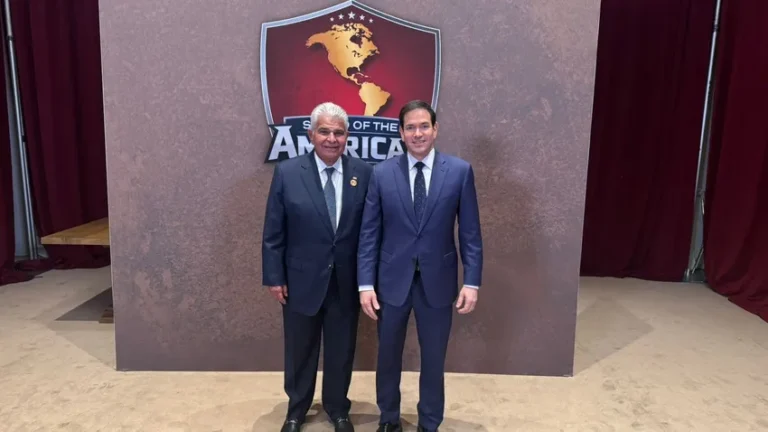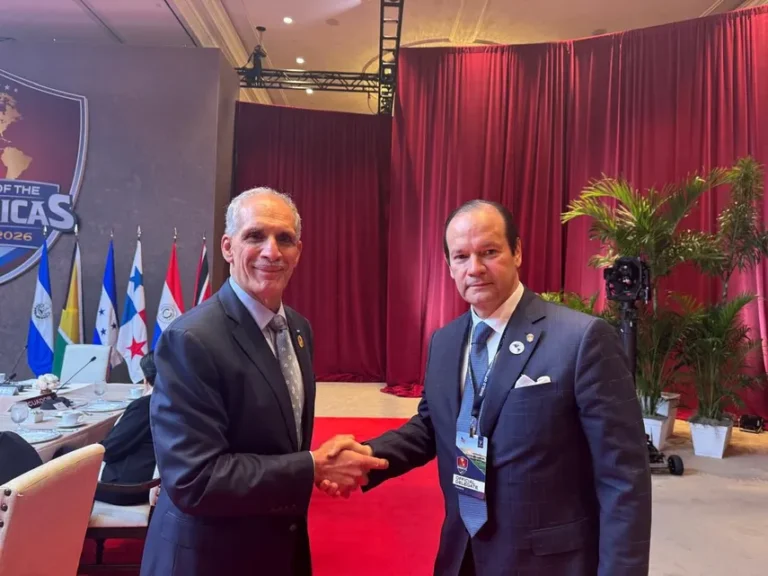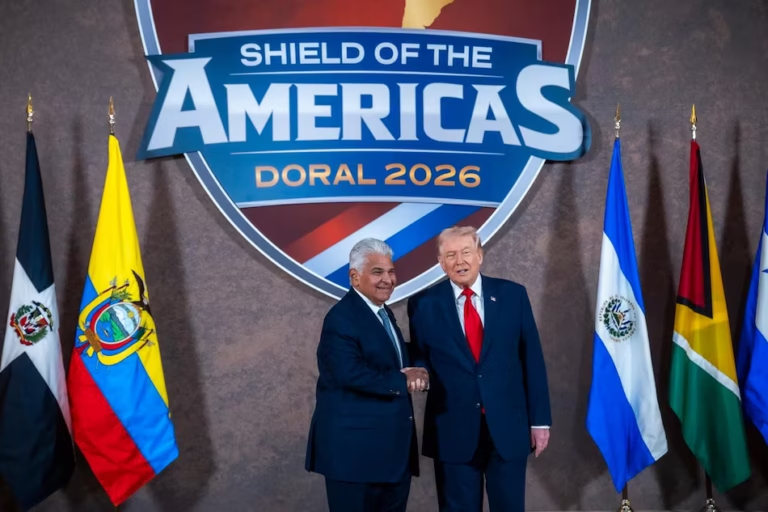
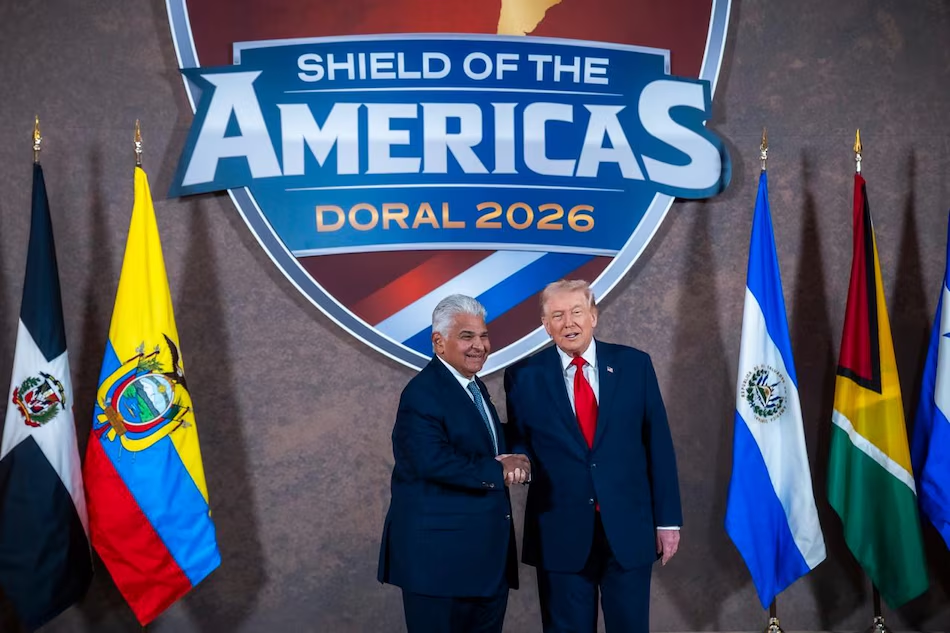
During the inaugural Shield of the Americas Summit in Miami, President Donald Trump issued a stern warning regarding Panama Canal influence. Speaking to over a dozen Latin American leaders, including President José Raúl Mulino, Trump declared that the United States would no longer tolerate foreign intervention in the waterway. He specifically emphasized that his administration views the canal as a vital component of U.S. maritime security that must remain free from hostile external actors.
The Shield of the Americas Summit and Regional Safety
The Shield of the Americas Summit served as the backdrop for this major policy shift. Trump’s “Americas Doctrine” aims to curb Asian economic presence in the Western Hemisphere, which he describes as a threat to regional geopolitical stability. Consequently, the Miami regional forum focused on creating a unified front against non-hemispheric powers seeking a foothold in critical infrastructure. The President remarked that “brilliant deals” of the past, like the 1977 treaty, would not be allowed to jeopardize American naval safety today.
Furthermore, the administration’s stance on maritime sovereignty Panama involves close monitoring of port operations. Trump previously targeted the involvement of Chinese conglomerates in ports like Balboa and Cristóbal. Although a recent court ruling nullified certain concessions, the U.S. remains vigilant about Beijing’s influence in Panama. This proactive approach seeks to ensure that United States waterway protection remains unchallenged by global competitors.
Addressing China-Panama Trade Relations
The tension surrounding China-Panama trade relations was palpable during the Escudo de las Américas meeting. While Panama defends its right to manage its own resources, Trump argued that foreign intervention Canal operations poses an unacceptable risk to the Western Hemisphere order. By leveraging regional geopolitical stability as a talking point, the U.S. is pushing for “reciprocity” in all maritime and trade agreements.
Moreover, the U.S. signaled that future cooperation depends on reducing external control waterway risks. For instance, the proposed “Energy Hub” and gas pipeline projects are contingent on maintaining a secure, Western-aligned trade corridor. Therefore, maintaining Latin American political balance requires a delicate dance between national sovereignty and the security demands of the northern superpower.
Protecting Global Supply Chains
In conclusion, the debate over Panama Canal influence is far from over. As the U.S. reasserts its dominance through U.S. maritime security protocols, the world watches how this affects global shipping. By prioritizing United States waterway protection, the Trump administration intends to reshape the economic landscape of the continent. Ultimately, the success of the Shield of the Americas Summit will be measured by its ability to prevent foreign intervention Canal activities while fostering genuine prosperity.
About the Author