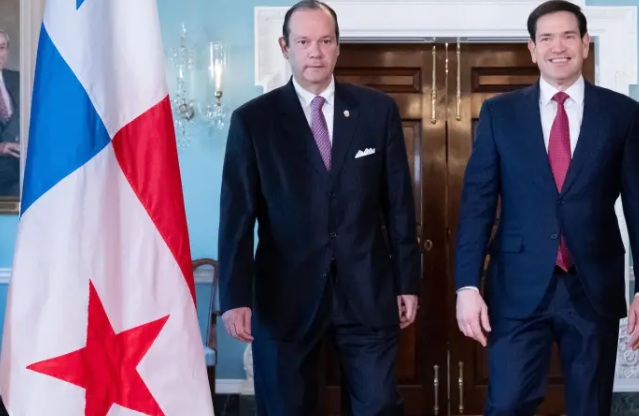
The diplomatic relationship between the United States and Panama is entering a transformative phase. Panamanian Foreign Minister Javier Martínez-Acha recently revealed that Washington is evaluating the inclusion of the Central American nation in the Panama Visa Waiver program. If successful, this initiative would allow Panamanian citizens to enter the U.S. for tourism or business without a traditional consular visa. This potential for US visa-free travel represents a significant milestone in bilateral cooperation and national security.
Requirements for the Panama Travel Exemption
To secure a Panama Visa Waiver, the nation must meet strict technical and security criteria set by the Department of Homeland Security. These requirements include a low non-immigrant visa refusal rate and the implementation of advanced biometric data sharing. Furthermore, Panama has already made progress by modernizing its passport technology and strengthening border controls. Consequently, the Panama travel exemption is seen not just as a convenience, but as a recognition of the country’s institutional stability and its role as a strategic regional partner.
Experts suggest that the evaluation process is rigorous and may take several months. However, the current diplomatic momentum suggests a high level of mutual trust. By fulfilling these border security protocols, Panama aims to become the second Latin American country, after Chile, to join this exclusive group of nations.
Impact on International Mobility and Diplomacy
The implementation of US visa-free travel would have profound effects on the Panamanian economy. Beyond personal tourism, the Panama Visa Waiver would facilitate easier access for entrepreneurs and investors, boosting bilateral trade relations. Moreover, this shift in international mobility policy would reduce the administrative burden on the U.S. Embassy in Panama City, allowing for more efficient consular operations.
In addition to economic benefits, the move reinforces Panama’s standing in the global diplomatic arena. As the country integrates more deeply with U.S. security systems, the benefits of international mobility will likely extend to other sectors, such as academic exchanges and scientific collaboration. As a result, the “850” region and the rest of the country are watching these negotiations closely, hopeful that the dream of B1/B2 visa removal for short stays will soon become a reality in 2026.
About the Author