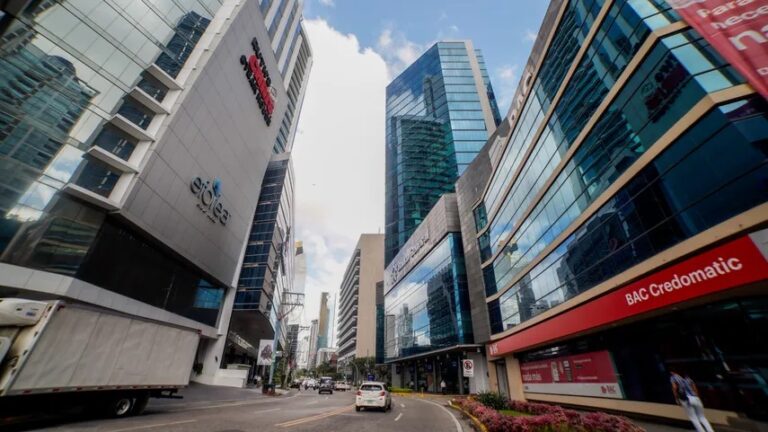

Screenshot
Panama is rapidly becoming a strategic re-export hub, driven by the introduction of a 10 percent U.S. tariff on its exported products. Despite the added tariff, Panama’s export activity has grown, with overall export value rising in the first seven months of the year. The country’s strong logistics infrastructure, free trade zones, and attractive tax incentives are helping exporters thrive under the new economic landscape.
Agricultural Exports Lead the Growth
Panama’s fruit and vegetable sector is experiencing the strongest expansion. Products such as bananas, pineapples, papayas, watermelons, and pitahaya have seen a significant rise in demand. Export volumes in this sector grew at a double-digit rate, reinforcing Panama’s reputation as a reliable supplier of high-quality tropical produce.
Why the 10% Tariff Is an Advantage
Instead of discouraging trade, the 10 percent tariff has encouraged a shift in global export strategy. Many international companies—especially from South America—are choosing to process, package, or relabel their products in Panama. By doing so, they can re-export goods under Panama’s trade status, benefiting from its well-established logistics network and favorable tax structure.
Panama’s free trade zones, including major logistics and processing hubs, allow companies to manufacture or repackage goods at lower costs. This model increases the country’s competitiveness and strengthens its role in global supply chains.
Certifications Strengthen Market Trust
Local producers are investing heavily in certifications such as GlobalG.A.P., FDA compliance, and Fairtrade approval. These quality standards make Panamanian products more attractive to international markets that require strict regulations, especially in Europe and North America.
Logistics Improvements Drive Efficiency
Government agencies and trade institutions are facilitating coordination between exporters and global shipping companies. These efforts help reduce freight costs, streamline container availability, and improve delivery timelines. As a result, Panama is enhancing its reliability as a logistics and re-export point.
New Markets Show Strong Interest
Interest from new international buyers—particularly in the Middle East—continues to grow. Countries like Saudi Arabia, Dubai, and Turkey have shown significant interest in Panama’s MD2 pineapple and other premium produce. This diversification opens the door for stronger long-term export resilience.
Strengthening Panama’s Position in Global Trade
Panama’s ability to transform a 10 percent tariff into a competitive advantage showcases its adaptability and strategic value. By combining logistics power, agricultural excellence, and free zone benefits, the country is strengthening its identity as a global re-export hub. This shift supports job creation, boosts local agriculture, and increases Panama’s influence in international trade.
About the Author