Screenshot
The Panama–Paso Canoas railway project, a significant infrastructure initiative, has attracted interest from five countries aiming to finance its development. This ambitious project is expected to enhance regional connectivity and stimulate economic growth.
China’s Interest in the Project
China has shown keen interest in participating in the project. The Chinese Ambassador to Panama, Xu Xueyuan, emphasized China’s attention to the construction and expressed hope that Chinese companies would be allowed to participate in the bidding process on equal terms. As a result, Companies such as China Construction Company Corporation are closely monitoring the project’s progress.
Spain’s Commitment to Investment
Recently, Spain has also expressed its intention to invest in the railway project. Spanish President Pedro Sánchez highlighted that Spanish companies are eager to participate, citing Spain’s extensive experience in constructing railway lines worldwide. Spain’s involvement could bring valuable expertise to the project.
United States’ Support for Regional Development
The United States has joined the list of interested countries. U.S. Ambassador to Panama, Kevin Marino Cabrera, met with Panama’s National Railway Secretary, Henry Faarup, to discuss potential U.S. investment in the project. Cabrera described the railway as aligning with President Donald Trump’s vision of creating opportunities in the region and strengthening U.S.–Panama ties.
Japan’s Recent Engagement
Japan’s interest in the project has emerged more recently. During a visit to New York, President José Raúl Mulino met with executives from Mizuho Bank, one of Japan’s leading financial institutions, which expressed interest in financing various infrastructure projects in Panama, including the railway.
United Kingdom’s Financial Offer
The United Kingdom has made a significant financial offer for the project. The British government has proposed a loan of $6.7 billion, with approximately $3.5 billion allocated for the railway’s construction. Panama’s National Railway Secretary plans to visit the United Kingdom in September to finalize the loan agreement.
Project Overview
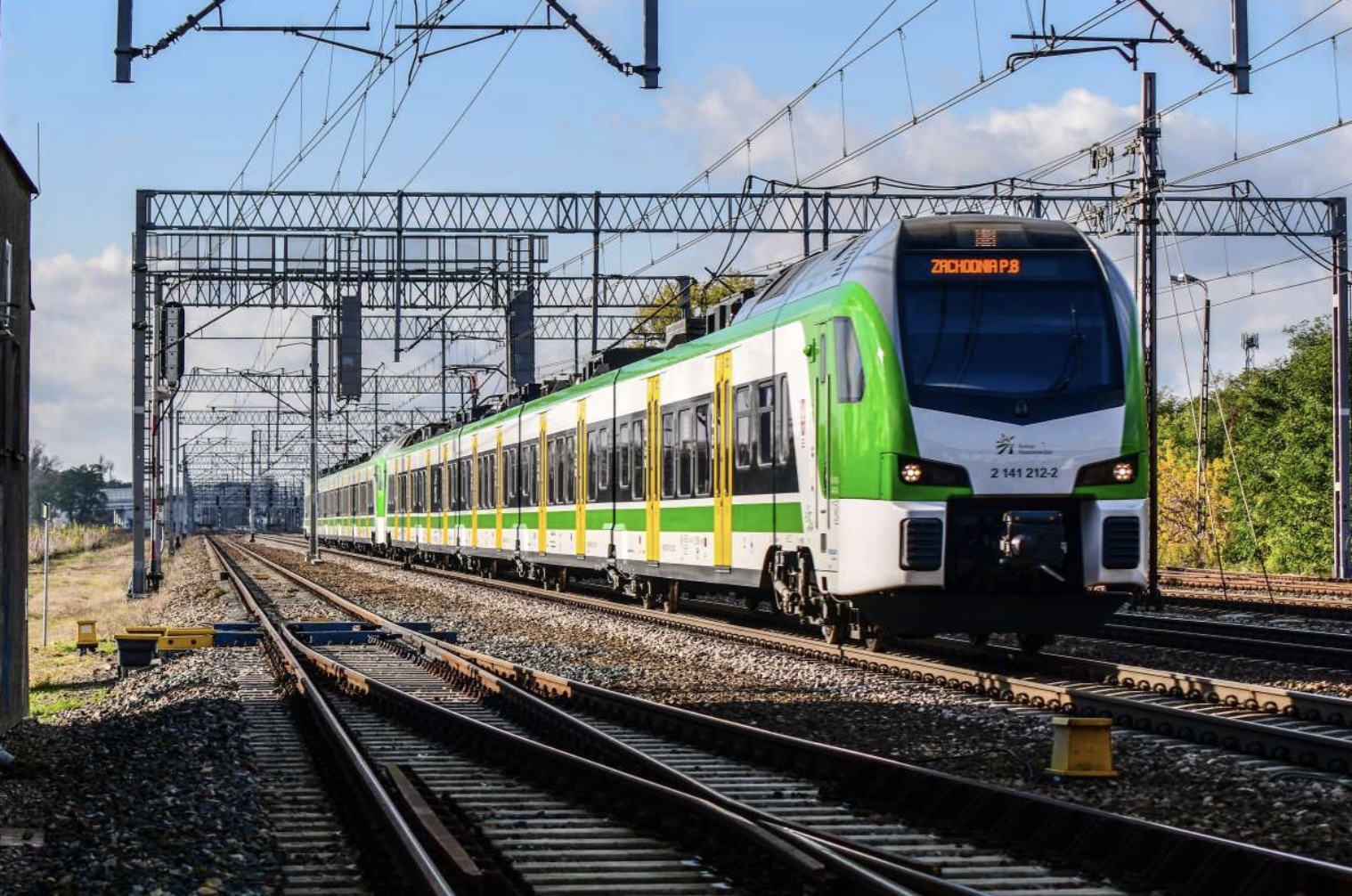
The Panama–Paso Canoas railway is projected to cost between $6 billion and $8 billion. Comparable to the Panama Canal expansion project. The railway will span 475 kilometers and include 14 stations across the country. An express route connecting Panama City to David is expected to reduce travel time by a decent amount. The new travel time will be approximately three hours, with trains reaching speeds up to 100 km/h.
About the Author