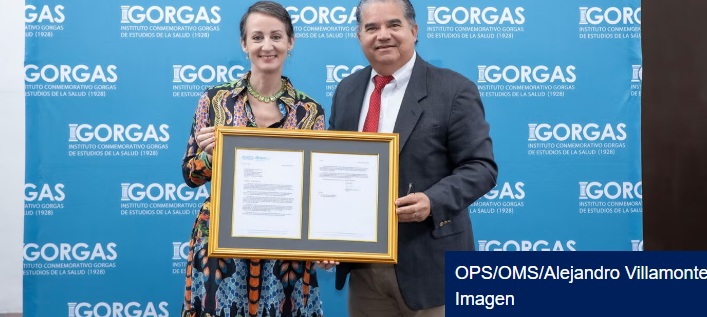
Panama has officially solidified its role as a leader in regional health security. The Pan American Health Organization (PAHO) recently designated the Gorgas Memorial Institute for Health Studies (ICGES) as a Collaborating Center for genomic surveillance. This strategic move enhances genetic monitoring across the Americas, ensuring that countries can identify and respond to emerging biological threats with greater precision.
Advancing Genomic Surveillance in the Americas
The designation of this new center represents a milestone for public health in the region. By focusing on genomic surveillance, the Gorgas Institute will provide technical support to neighboring nations. This includes training in pathogen sequencing and the implementation of standardized protocols. Such technical advancements are essential for tracking the evolution of viruses and bacteria, allowing for more effective community wellness strategies.
Regional Collaboration for Disease Control
Effective disease control requires a unified front. Through this cross-border partnership, Panama will facilitate the exchange of vital data between nations. When countries share genome tracking results, they can anticipate outbreaks before they cross borders. This level of international cooperation transforms how the region handles pathogen management, moving from a reactive to a proactive stance.
Scientific Innovation and Health Security
The integration of molecular surveillance into national health plans is no longer optional. As a PAHO center, ICGES will lead research breakthroughs that simplify how laboratories conduct genetic monitoring. These efforts ensure that infection prevention measures are based on the latest scientific evidence. By fostering scientific innovation, Panama helps ensure that the entire region’s healthcare systems remain resilient against future pandemics.
A Future of Shared Knowledge
Ultimately, the goal of this genomic surveillance initiative is to democratize high-end technology. Panama’s commitment to regional collaboration ensures that even countries with limited resources can benefit from pathogen sequencing insights. This shared knowledge base is the cornerstone of modern public health, protecting millions of lives through better data and faster action.
About the Author