Screenshot
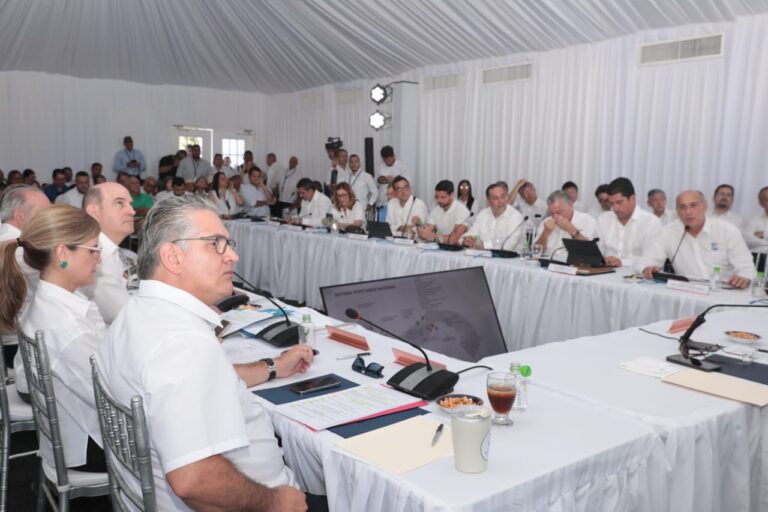
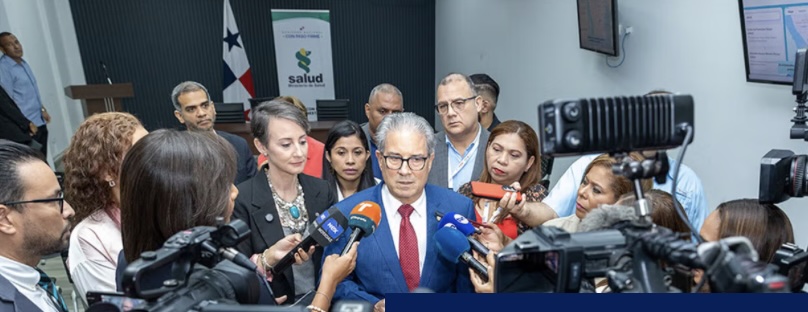
On September 17, 2025, Panama’s Ministry of Health (MINSA) and the Pan American Health Organization (OPS) are in the final stages of updating their technical cooperation agreement. This update modernizes the original 1952 agreement, reflecting the evolving regional context and the new strategic roles OPS has developed in Panama over the years.
The updated agreement aims to align cooperation with the realities and health challenges of the 21st century. The original agreement, over 70 years old, did not consider the importance of Panama as a central hub for OPS in the region. The update strengthens the joint commitment to public health, emergency preparedness, and health workforce training.
Panama has become a strategic center for OPS, leading to the establishment of several key offices. Since 2005, the country has hosted the Subregional Health Emergency Office (PHE), which coordinates responses to health crises in the Americas. Additionally, OPS’s Subregional Logistics Warehouse operates from Panama, ensuring efficient distribution of medical supplies during emergencies.
The updated agreement seeks to continue utilizing Panama as a logistical hub for the development of operations of OPS’s regional offices, such as the Virtual Campus of Public Health (CVSP), which provides continuous public health training to professionals across the Americas.
The Minister of Health noted that updating the agreement could represent an opportunity for Panama to strengthen its position with the presence of other OPS regional offices, which would undoubtedly benefit public health management. Both parties emphasized that the strength and continuity of technical cooperation between Panama and OPS are the true highlights of this event.
The updated technical cooperation agreement reflects a renewed commitment to strengthening health systems. The signing of this agreement consolidates Panama’s role as a strategic partner for health in the Americas and ensures that OPS/WHO can continue providing technical support tailored to the current and future public health challenges nationally and regionally.
About the Author