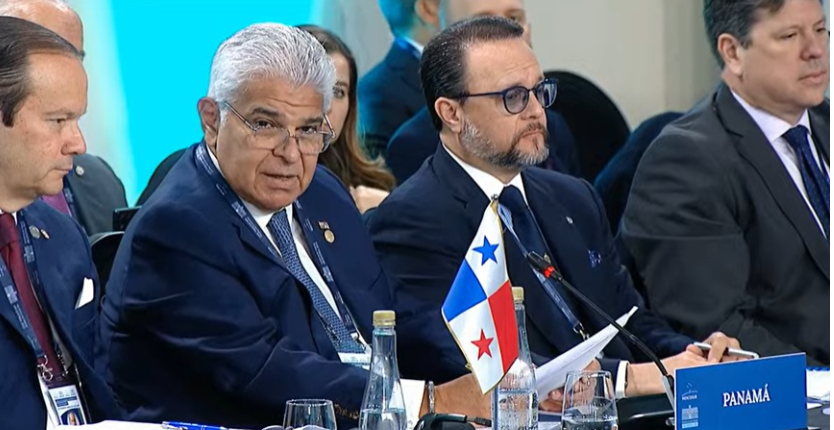
The Panamanian farming industry has issued a firm request to the national government regarding the upcoming Panama Mercosur negotiations. Producers are demanding a formal seat at the technical tables to ensure that the interests of local growers are prioritized. As Panama moves toward closer ties with the Southern Common Market talks, rural leaders argue that their exclusion could jeopardize the country’s food security. This movement seeks to balance the benefits of regional integration with the vital need to sustain domestic output.
Protecting National Production and Local Farming
The primary concern for food producers centers on the preservation of national production. While joining a large trade bloc offers logistics opportunities, it also opens the door to high-volume imports from agricultural giants like Brazil and Argentina. Consequently, the sector is pushing for strict safeguards. Without clear protections for local farming, many fear that smaller operations will be unable to compete with the economies of scale found in South America. Therefore, the sector insists that any commercial treaties must include specific clauses for small-scale producers.
Defining Sensitive Products and Vulnerable Commodities
Within the framework of Panama Mercosur negotiations, identifying sensitive products is a critical step. These vulnerable commodities, such as rice, dairy, and meat, are the backbone of the rural economy. The farming industry argues that these items should not be subject to immediate tariff reductions. Instead, they propose a phased approach that allows for technical upgrades in the local sector. By excluding certain protected goods from the initial rounds of market accords, Panama can ensure that its rural communities remain economically viable during the transition.
Agricultural Sector Input in Trade Agreements
Meaningful trade agreements require the input of those who work the land. The agricultural sector believes that their technical expertise is essential for negotiating sanitary and phytosanitary standards. Because the Southern Common Market talks involve complex regulatory alignments, having food producers involved helps prevent the entry of pests or diseases that could devastate domestic output. This collaborative approach ensures that the Panama Mercosur negotiations result in a win-win scenario for both urban logistics and rural development.
The Road Toward Fair Commercial Treaties
As President Mulino prepares for the upcoming summit, the pressure from the farming industry continues to grow. Producers emphasize that they do not oppose progress but rather demand a fair process. By including the agricultural sector in the decision-making loop, the government can craft trade agreements that reflect the reality of Panama’s countryside. Ultimately, the success of the Panama Mercosur negotiations will be measured by the ability to protect sensitive products while opening new doors for the nation’s exports.
About the Author