
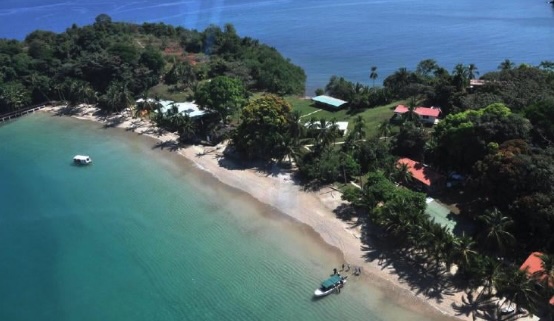
Screenshot
Panama’s New Marine Monitoring Center for Ecosystem Protection Effort
Panama has officially opened a marine monitoring center to further its ecosystem protection effort, establishing an ocean monitoring hub that brings together multiple institutions. Located within the framework of the East Tropical Pacific Marine Corridor (CMAR), this marine monitoring center aims to detect and counter threats like illegal fishing surveillance violations, marine pollution, and biodiversity loss. The Ministry of Environment unveiled it as the first public tool in the region for such oversight.
The ocean monitoring hub will integrate data systems, real-time alerts, maritime traffic monitoring, weather forecasting, and operational coordination among protected marine areas, maritime authorities, fishing agencies, and security sectors in order to enforce conservation initiative goals.
How Illegal Fishing Surveillance and Coastal Biodiversity Safeguard Will Work
Through the new facility, Panama will enhance illegal fishing surveillance by deploying technology to track vessels, monitor fishing activity, and respond more quickly to violations. Also, the coastal biodiversity safeguard element of the project focuses on protecting unique species and marine ecosystems, especially in areas like Coiba, part of CMAR. Alarmingly, threats from marine pollution and loss of species have increased, making surveillance and protection more essential now than ever.
Regional Cooperation Platform Strengthens Conservation Initiative
The ocean monitoring hub not only serves Panama but also operates as a regional cooperation platform among CMAR countries: Ecuador, Costa Rica, Colombia, and Panama. Since the CMAR began in 2004, the goal has been a transboundary conservation initiative that ensures sustainable use of marine resources. With this monitoring center, data interoperability and shared tools will improve the collective response to regional challenges, such as illegal fishing, ecosystem degradation, and climate impacts.
Why This Matters for Panama and Beyond
This establishment has implications far beyond national borders. First, it contributes directly to ecosystem protection effort, boosting environmental resilience. Second, it enhances the ability to curb illegal fishing surveillance, which undermines sustainable livelihoods and food security. Third, by instituting coastal biodiversity safeguard methods, Panama helps protect marine species and habitats vital for tourism, fisheries, and climate regulation. Lastly, the regional cooperation platform strengthens diplomatic and scientific ties among neighboring nations, ensuring more cohesive marine policy and enforcement.
About the Author



Where is thisnew center located?