
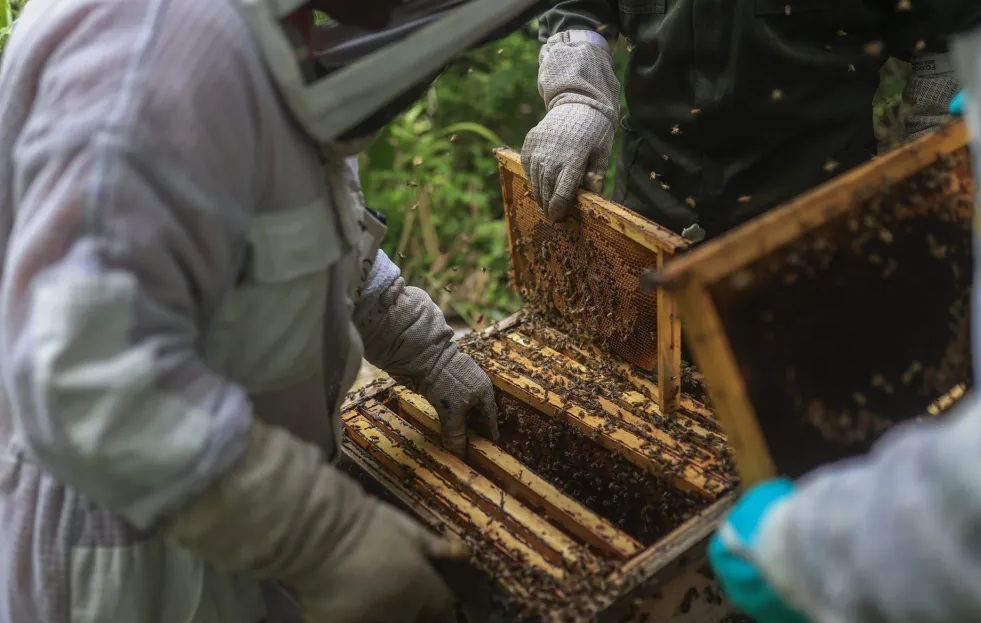
In the heart of Panama’s coastal regions, a unique movement is taking flight. The production of mangrove honey has become more than just a source of income; it is a vital tool for ecosystem conservation. By placing hives within these salt-tolerant forests, local communities are proving that economic growth and nature preservation can go hand in hand. This initiative relies on sustainable beekeeping to protect the biodiversity that defines Panama’s Pacific shores.
The Power of Sustainable Beekeeping
Implementing eco-friendly apiculture in these wetlands requires specialized knowledge. Mangroves provide a rich source of nectar, but the environment is delicate. However, the rewards are significant. The bees act as natural pollinators, ensuring the health of the trees while producing a distinct coastal nectar. Consequently, this process strengthens the local flora, creating a robust barrier against environmental threats and enhancing the area’s environmental adaptability.
Women Empowerment and Female Leadership
At the forefront of this project is the Association of Women Lovers of the Mangrove (AMURAM). Through women empowerment, these rural leaders have transformed from traditional gatherers into skilled apiculturists. Their female leadership is crucial for the community’s success, as they manage sensor-equipped hives that monitor production in real-time. This technological integration ensures that the wetland honey harvested meets high quality standards while providing a steady livelihood for dozens of families.
Building Climate Resilience Through Nature
As the world faces increasing environmental challenges, climate resilience becomes a priority. Mangroves serve as a natural shield against storms and erosion. By promoting mangrove honey production, Panama is effectively investing in its long-term safety. This synergy between humans and bees fosters a cycle of protection: the women guard the forest to save the bees, and the bees maintain the forest to save the coast. Therefore, ecosystem conservation becomes a sustainable reality for the people of Paris, Panama.
Innovative Pathogen Monitoring and Quality
Beyond simple harvesting, the project includes scientific analysis of the honey’s nutritional value. Every drop of coastal nectar tells a story of survival and innovation. By maintaining high standards of sustainable beekeeping, the participants ensure that their product remains competitive in the market. This economic stability allows the community to remain focused on their primary goal: the continued nature preservation of their ancestral lands for future generations.
About the Author