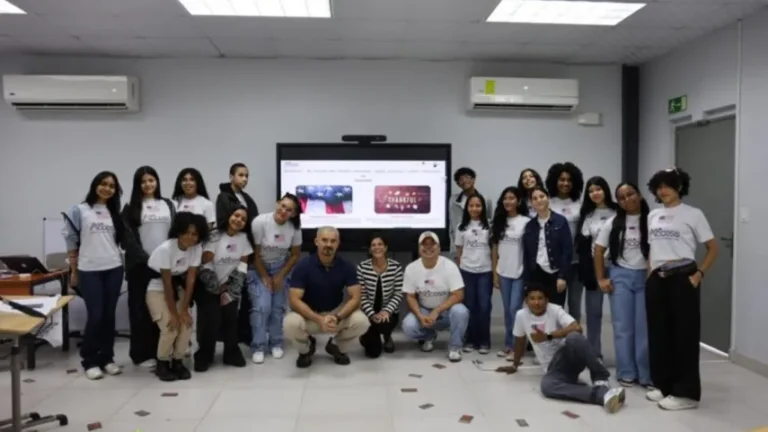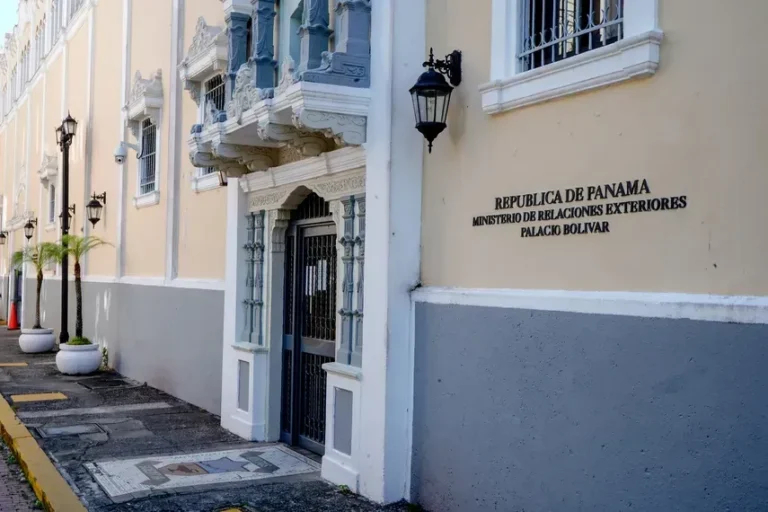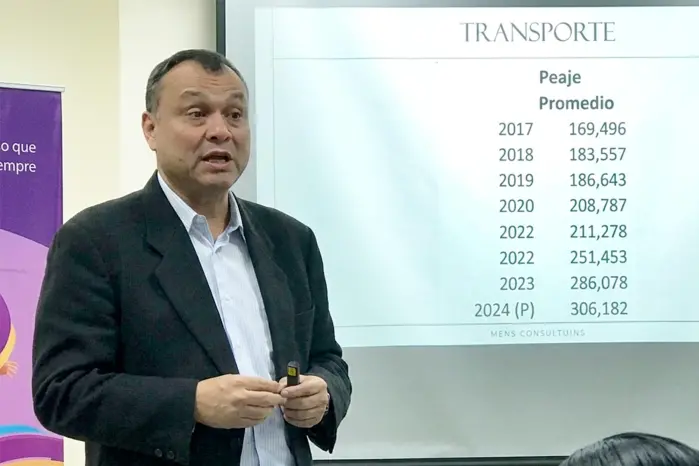
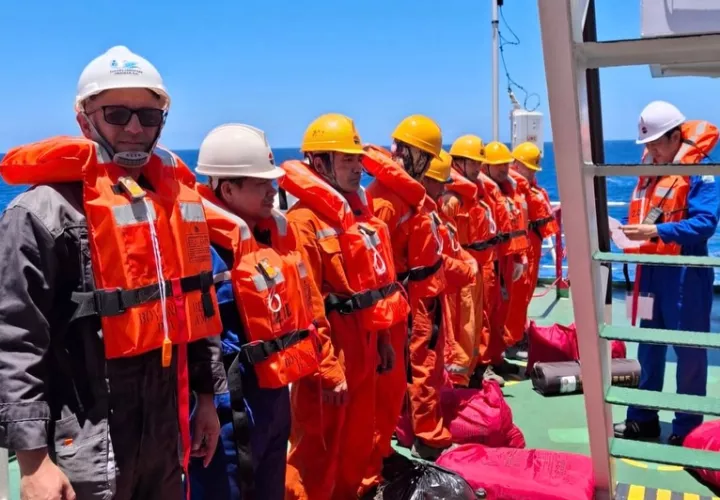
The Aquatic Resources Authority of Panama (ARAP) has reached a significant goal for the nation’s maritime sector. Recently, Panama Fishery Observers received formal validation from the Inter-American Tropical Tuna Commission (IATTC). This achievement ensures that Panamanian personnel can now monitor high-seas vessels, confirming that our fleet adheres to the strictest global maritime regulations.
Adopting International Fishing Standards
The process to professionalize Panama Fishery Observers involved rigorous training and technical audits. By aligning with international fishing standards, Panama demonstrates its commitment to transparency in the tuna industry. Consequently, these Panamanian fishing monitors are now equipped to collect high-quality data, which is essential for scientific research and policy-making in the region.
Furthermore, the ARAP certification process highlights the importance of institutional strengthening. Since the authority focused on upgrading its technical capacity, the international community now views Panama as a reliable partner in ocean governance. This ARAP accreditation is not just a badge of honor; it is a functional tool that opens new markets for Panamanian seafood exports.
Promoting Sustainable Fishing Practices
A core objective of this initiative is the implementation of sustainable fishing practices. Through effective marine resource management, the government aims to reduce bycatch and protect endangered species. For instance, eco-friendly harvesting methods are now monitored more closely to ensure that the ecological balance of the Pacific and Atlantic oceans remains intact.
Moreover, ocean conservation efforts are vital for the long-term viability of the industry. Because Panama Fishery Observers provide real-time data from the decks of commercial ships, the risk of illegal, unreported, and unregulated (IUU) fishing decreases significantly. This proactive approach to protection of aquatic stocks ensures that future generations can continue to benefit from the sea’s bounty.
Future Impact of Marine Resource Management
Looking ahead, the role of Panama Fishery Observers will only grow in importance. As global demand for traceable seafood increases, having fisheries oversight personnel with international backing provides a competitive edge. Panama is no longer just a flag state; it is becoming a leader in responsible maritime extraction.
In conclusion, the synergy between government action and international fishery protocols marks a new era. By prioritizing sustainable fishing practices, Panama secures both its economic interests and its environmental legacy.
About the Author