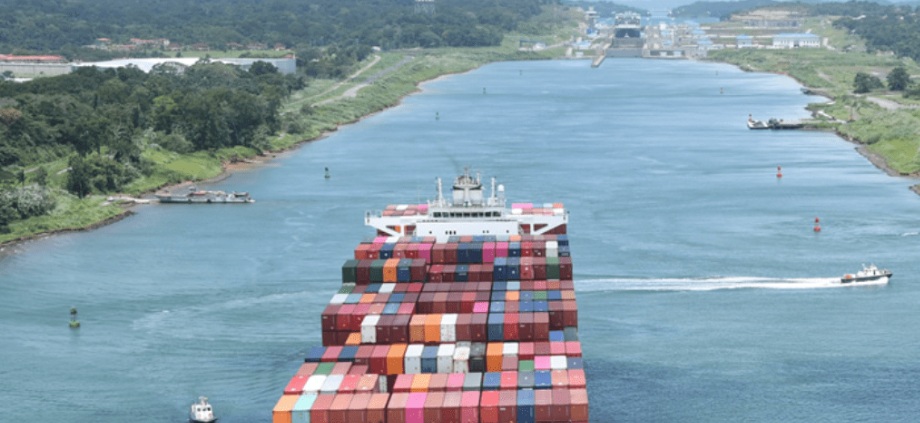
The Panama Canal Authority (ACP) is projecting a substantial increase in Panama Canal Revenue, potentially reaching up to 25%, driven by the construction and operation of New Port Terminals and comprehensive diversification projects. This optimistic forecast was confirmed by Canal Administrator Ricaurte Vásquez Morales, who emphasized the crucial role these initiatives play in maintaining the waterway’s strategic importance. For instance, these Port Development Projects are specifically designed to complement the existing transit operations, attract more global cargo, and thus secure the Canal’s long-term Route Relevance.
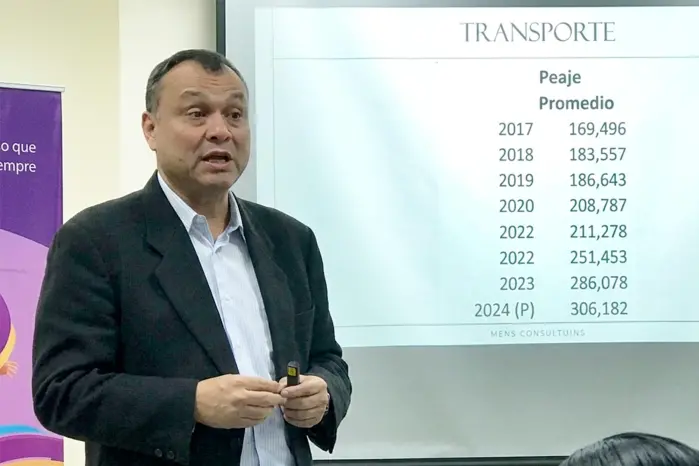
During a recent meeting, Vásquez Morales quantified the expected direct economic impact of this diversification strategy for the first time. He noted that the anticipated rise in Panama Canal Income would primarily be generated by two New Port Terminals and a new energy corridor currently under development. The administrator clarified that this strategic move is a direct response to the fluid dynamics of the Global Container Market and the need to bolster the country’s status as the region’s leading Transshipment Hub.
Securing Panama’s Role as a Global Transshipment Hub
Panama itself does not generate a large volume of domestic cargo; instead, it functions primarily as a massive transshipment platform for international cargo. The Canal Administrator revealed that the market the ACP is actively targeting involves approximately 9.4 million TEUs (Twenty-foot Equivalent Units) that currently transship within the region. By building these strategic terminals, the ACP aims to improve the Logistics Efficiency for shipping companies, thereby attracting more vessels and preventing this crucial transit volume from shifting to rival transshipment ports in other markets.
The ACP views the current period as a critical “window of opportunity” that the Canal must seize. Therefore, the first phase of operation for these New Port Terminals is expected to be underway within the next three to four years. This timeline is aggressive but necessary to secure continued high Panama Canal Revenue streams. Furthermore, the development of these facilities is a direct enhancement of Supply Chain Performance for global commerce, reinforcing the nation’s role in world Maritime Trade Strategy.
The Road Map to Enhanced Logistics Efficiency and Revenue
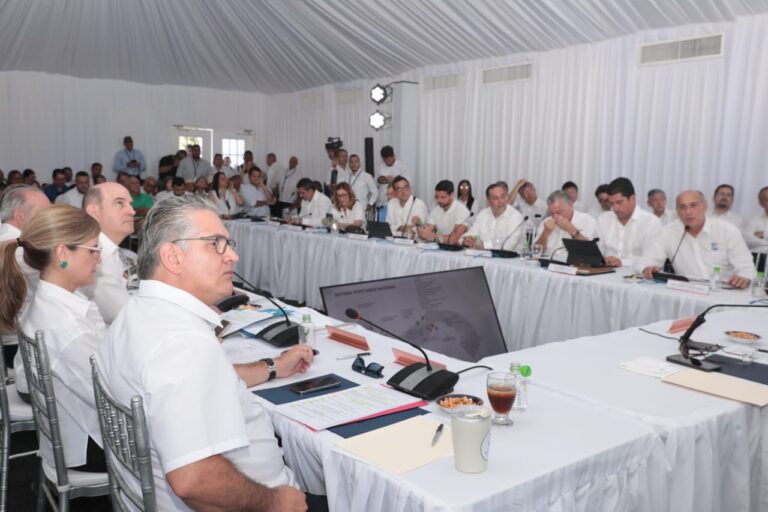
The process for developing these key infrastructure projects is moving forward swiftly. The Panama Canal is currently in the prequalification stage to award the concessions for both the New Port Terminals and the energy corridor. While the exact number of interested companies remains confidential, initial public presentations attracted significant international interest, with over 30 firms attending the port presentation alone.
Key prequalification criteria include financial strength, operational experience, technical capacity, and the companies’ existing relationships with host countries. The Canal is structuring the process to ensure the projects are financially viable and sustainable. Crucially, the Canal Authority is making it clear that neither the government nor the ACP will act as final guarantors for these projects, limiting their responsibility to an initial contribution. This ensures responsible development while moving forward with a clear Maritime Trade Strategy that will secure the projected growth in Panama Canal Income and solidify the country’s preeminence as a Transshipment Hub.
About the Author